200-Year-Old House Reveals Hidden Underground Railroad Passageway in New York City
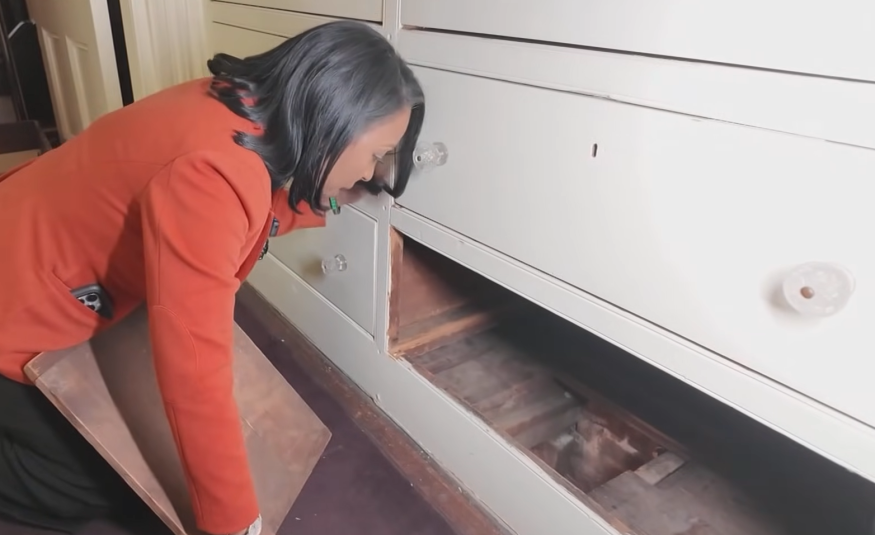
A remarkable 200-year-old house discovery in Manhattan has uncovered an Underground Railroad hidden passage concealed for nearly two centuries. Tucked inside a Federal-style rowhouse on East 4th Street, the narrow shaft and ladder system reveal architectural evidence of deliberate abolitionist planning. The find strengthens the historical record of Underground Railroad New York City operations and reshapes understanding of how freedom seekers were protected within dense urban neighborhoods.
This historic Underground Railroad site stands apart because intact Manhattan safe houses are extraordinarily rare. Violent backlash against abolitionists in the 19th century destroyed many suspected shelters, erasing physical traces of resistance. The survival of this hidden space offers a rare architectural link to the city's abolitionist past and highlights New York's complex role in the struggle against slavery.
Underground Railroad Hidden Passage Discovery
The Underground Railroad hidden passage came to light during routine maintenance at the Merchant's House Museum. Workers removing built-in drawers revealed a small rectangular floor opening with a ladder descending roughly 15 feet toward the kitchen level. Though the cavity had been known since the 1930s, it was previously dismissed as a laundry chute due to its narrow design and concealed placement.
Further historical investigation reframed the space entirely. Architectural details suggested intentional construction rather than domestic convenience. The passage's cramped dimensions, roughly two feet by two feet, indicate it was designed for rapid concealment, likely allowing a person to descend legs-first in extreme secrecy. Wide pocket doors and unusually spacious hallways nearby would have enabled discreet movement between rooms without drawing attention from visitors or hostile observers.
Unlike many rumored safe houses, this historic Underground Railroad site retains original structural elements. The intact configuration provides rare material confirmation of how abolitionists adapted urban homes to shield freedom seekers.
200-Year-Old House Discovery and Joseph Brewster's Abolitionist Ties
The 200-year-old house discovery is closely tied to its builder, Joseph Brewster, who constructed the residence in 1832. Brewster sold the property just a few years later, but archival research reveals his documented involvement in abolitionist circles. He maintained connections with prominent anti-slavery advocates active in New York during the 1830s and 1840s.
New York was officially a free state at the time, yet its economy remained deeply intertwined with Southern slavery. Abolitionists often faced harassment, financial retaliation, and mob violence. Within this tense climate, constructing an Underground Railroad hidden passage required both conviction and courage.
Architectural similarities between this home and other buildings associated with Brewster suggest a pattern of concealed spaces integrated into his designs. The strategic placement of the shaft near bedrooms and the kitchen would have allowed hidden guests to move discreetly and receive food without attracting suspicion. The Tredwell family, who occupied the house for nearly a century, preserved much of its interior, inadvertently safeguarding the passage for future generations.
Read more: How James Van Der Beek's Texas Ranch Illustrates Modern Rural Architecture for Family Living
Historic Underground Railroad Site Preservation Efforts
As a historic Underground Railroad site, the property now carries heightened preservation significance. Physical evidence of safe houses in Manhattan is exceptionally rare due to widespread destruction during pro-slavery riots and targeted violence against abolitionist properties in the 19th century. This structure may represent the earliest intact example of its kind in New York City.
Local preservation advocates have raised concerns about nearby development that could threaten the building's structural stability. Efforts are underway to strengthen landmark protections and ensure long-term conservation. Museum officials plan to enclose the Underground Railroad hidden passage in protective materials, allowing visitors to view the shaft without compromising its integrity.
Beyond structural preservation, the 200-year-old house discovery has prompted expanded historical programming. Exhibits now place greater emphasis on abolitionist networks operating in Manhattan, shifting the narrative beyond domestic life to include the risks and resistance embedded in the building's walls.
Underground Railroad New York City Network and Context
The Underground Railroad New York City network was more extensive than many realize. While rural safe houses often dominate public memory, Manhattan played a strategic role in coordinating northbound escapes. The city's port access, active abolitionist community, and dense urban layout created both opportunity and risk for those seeking freedom.
Prominent abolitionists and free Black leaders organized escape routes, raised legal defense funds, and sheltered those fleeing bondage in disguised residences, churches, and businesses. Hidden compartments, false floors, and concealed shafts turned everyday buildings into lifelines. The survival of this historic Underground Railroad site highlights the determination of activists who persisted despite economic pressure and pro-slavery hostility in New York.
Why This 200-Year-Old House Discovery Matters Today
The importance of this 200-year-old house discovery extends far beyond architectural curiosity. It anchors historical memory in a tangible space, allowing visitors to witness how resistance was built directly into the structure of a home. The intact Underground Railroad hidden passage offers visible, physical confirmation of abolitionist action in Manhattan.
This site also deepens understanding of Underground Railroad New York City operations, which have often been overshadowed by stories from other states. Preservation ensures future generations can study and reflect on this rare piece of history firsthand. More than a museum artifact, the house stands as lasting evidence of deliberate, life-saving design hidden within the fabric of the city.
Hidden Architecture and the Legacy of Underground Railroad New York City
This historic Underground Railroad site reminds us that resistance often took subtle forms. Behind a dresser and beneath floorboards, a narrow shaft became a pathway toward freedom. The 200-year-old house discovery demonstrates how architecture, activism, and risk intersected within the everyday fabric of New York City.
By preserving the Underground Railroad hidden passage, historians safeguard more than wood and brick; they preserve the physical imprint of moral conviction. As awareness grows, the site deepens appreciation for the courage embedded within Underground Railroad New York City history and reinforces the importance of protecting tangible links to that struggle.
Read more: 5 Religious Architecture Sites to Visit


Dunn-Edwards' 2027 Color of the Year Is a Rich Brown With a Subtle Plum Undertone

6 Timeless Home Décor Choices That Will Still Look Good 10 Years From Now

Brise-Soleil Is Back: The Architectural Sun-Shading Feature Designers Are Using Again

How Breezeways Are Transforming Modern Homes With Air, Light and Outdoor Connection

IKEA's New Art Collection Turns Everyday Home Decor Into Affordable Designer Art


