Tiny House Design Ideas, Micro Homes Architecture, and Small House Plan Innovations for Modern Homes
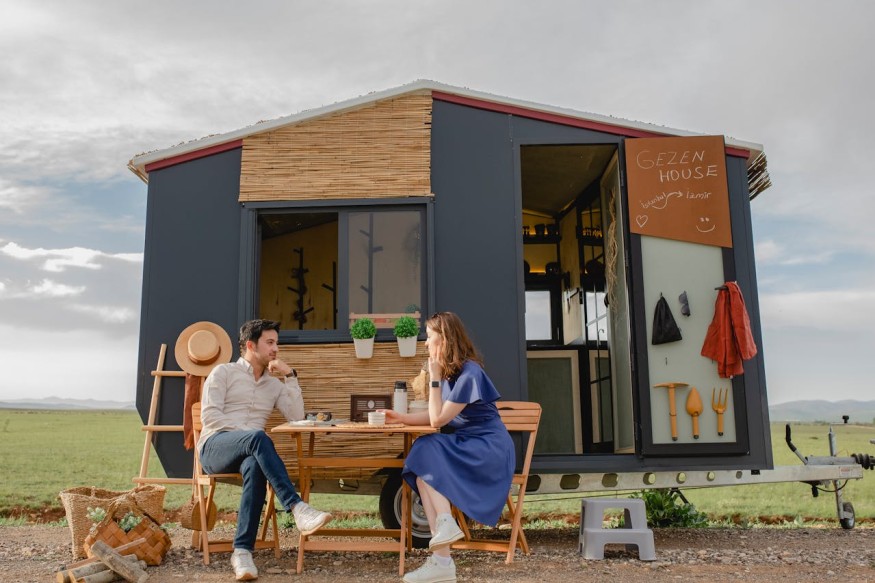
There is something quietly radical about choosing to live in under 400 square feet. At a time when bigger has long been considered better, a growing number of people are doing the opposite: scaling down, stripping back, and finding that a smaller home can open up a larger life. The tiny house movement is no longer a niche curiosity. It has become a cultural statement, an architectural challenge, and for many, a genuine solution to the rising cost of housing. Understanding what drives it, and what it produces in terms of tiny house design ideas, micro homes architecture, and the humble small house plan, tells a fascinating story about shifting values and the evolving meaning of home.
What Is the Tiny House Movement, and Why Is It Growing?
The tiny house movement is a social and architectural shift in which people voluntarily choose to live in compact dwellings, typically ranging from 100 to 400 square feet. It is not one single thing. Some participants build on wheels for mobility and off-grid freedom. Others construct permanent foundation homes. Still others convert shipping containers, school buses, or garden sheds into fully functional living spaces.
Read more: Biophilic Interior Design Explained: Why Indoor Plants Home Decor & Nature-Inspired Interiors Matter
Tiny House Design Ideas: Making Every Inch Work Harder
One of the most compelling things about the tiny house movement is the ingenuity it produces. Constraint is a powerful creative force, and nowhere is that more visible than in the world of tiny house design ideas. When there is no room to waste, designers and homeowners are forced to think differently about every surface, every corner, and every transition between spaces.
Some of the most effective design strategies include:
- Loft sleeping areas that free up the main floor for living and working, accessed by space-saving ship's ladders or alternating-tread staircases
- Convertible furniture such as fold-down dining tables, murphy beds that tuck into walls, and ottomans that double as storage
- Vertical storage built floor to ceiling, using wall space that would otherwise go unused
- Multi-functional rooms where a single area serves as office, dining room, and guest space depending on the time of day
- Large windows and glass doors that blur the boundary between inside and outside, making small spaces feel dramatically larger
- Built-in everything, from benches with hidden compartments to kitchen cabinetry that extends all the way to the ceiling
Micro Homes Architecture: A New Kind of Design Discipline
The field of micro homes architecture has grown into a serious design discipline in its own right. Architects who specialize in compact dwellings are not simply scaling down conventional floor plans. They are rethinking the relationship between space, light, function, and movement from the ground up.
There are several distinct architectural categories within the micro homes world:
- Tiny houses on wheels (THOWs): Built on flatbed trailers to meet road width and weight requirements, these homes must work within strict dimensional constraints. Height, width, and load capacity all shape the design. Yet skilled builders have produced THOWs with full kitchens, bathrooms, lofts, and even small home offices within these limits.
- Foundation-built tiny homes: These permanent structures can be more architecturally ambitious than their wheeled counterparts. They can incorporate basements, rooftop terraces, and more complex structural systems. They are typically treated as real property under local law, which opens up more conventional financing and permitting pathways.
- Accessory Dwelling Units (ADUs): Also called backyard cottages or granny flats, ADUs are one of the fastest-growing applications of micro homes architecture. Built on the same lot as a primary residence, they provide housing for family members, rental income, or a private workspace.
- Container homes: Repurposed shipping containers offer a structurally robust starting point for compact dwellings. Single containers or stacked multiples can be configured into surprisingly spacious and contemporary homes.
- Prefab and modular micro homes: Factory-built components assembled on site reduce construction time and waste. Several companies now offer architect-designed micro home kits that can be customized and delivered ready to inhabit.
How to Read and Use a Small House Plan
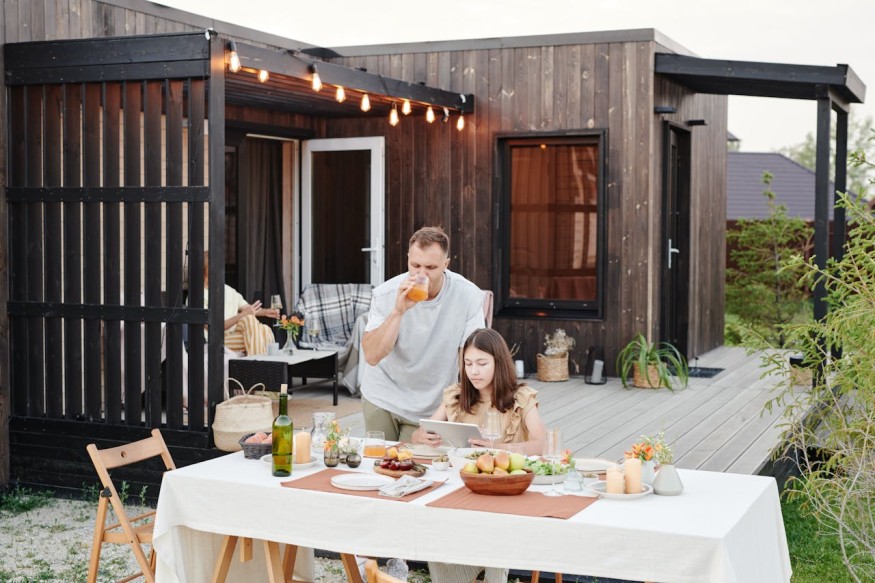
A small house plan is the blueprint that brings a tiny home to life, and understanding how to read and evaluate one is an essential step for anyone considering the tiny life. Unlike standard residential plans, small house plans prioritize efficiency and flexibility above all else.
Key elements to look for in any small house plan include:
- Open-plan layouts that allow a single room to serve multiple functions without feeling boxed in
- Loft configurations with appropriate ceiling heights, ideally a minimum of six feet at the highest point for comfortable sleeping
- Wet wall placement, meaning how plumbing is grouped together to reduce complexity and cost
- Storage integration built directly into walls, stairs, and furniture rather than relying on separate closets or rooms
- Entry and transition zones that allow for removing shoes, hanging coats, and decompressing without eating into the main living area
- Natural light strategy, noting where windows are placed and how they interact with the movement of the sun throughout the day
The Bigger Picture: What Tiny Homes Reveal About Modern Life
The tiny house movement did not emerge in a vacuum. It is a response to a specific set of cultural and economic pressures: housing unaffordability, environmental anxiety, dissatisfaction with the treadmill of work-to-spend, and a growing appetite for experiences over possessions. In that sense, a tiny home is never just a small building. It is an argument about how a life should be organized.
The Tiny House Movement Is Just Getting Started
What began as a fringe lifestyle choice has become one of the more interesting conversations in residential design, urban planning, and personal finance happening today. The convergence of housing costs, environmental awareness, and a cultural rethink of what home means has given the tiny house movement a staying power that its early critics did not expect.
Frequently Asked Questions
1. What is the average size of a tiny house?
Most tiny houses fall between 100 and 400 square feet, though some are as small as 80 square feet and others stretch to just under 500. The distinction between a tiny house and a small house is generally a matter of intent and design philosophy as much as strict square footage. footprint, while small houses may simply be scaled-down versions of conventional residential design.
2. Can a family with children live in a tiny house?
Families do live in tiny homes, and some do so successfully for years. The key factors are thoughtful design, strong communication among household members, and access to outdoor space.
3. Is it cheaper to build or buy a tiny house?
Building a tiny house, particularly as a DIY project, is generally the most cost-effective route, though it requires time, skill, and patience. Purchasing a pre-built tiny home from a manufacturer or buying a used one offers speed and predictability at a somewhat higher cost.


How Architects Hide Gutters Without Sacrificing Roof Drainage

Halloween Mantel Decorating Ideas That Feel Stylish, Not Spooky-Store Basic

Nick and Vanessa Lachey's Tarzana Estate Is Back on the Market for $8.2 Million

The Designer-Friendly Way to Make Halloween Decor Fit Your Home

The Design Tricks That Make a Backyard Feel Like Part of the Home


