Choosing Wallpaper Without Regret: A Wallpaper Guide for Every Home Design Style
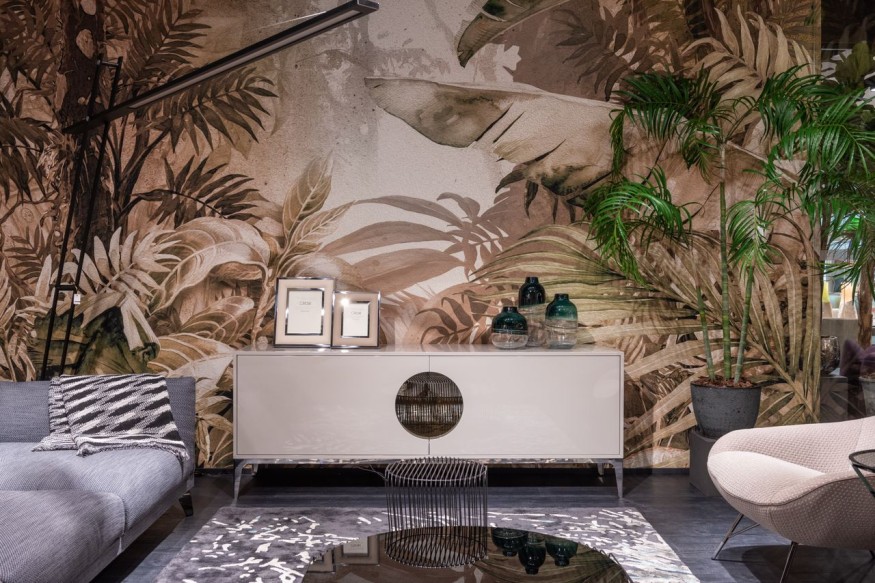
Wallpaper has made a strong comeback as homeowners look for creative ways to personalize their interiors. From subtle textures to bold botanical prints, wallpaper can dramatically change the look and feel of a room. However, the most successful spaces are not designed around trends alone. They are built on harmony between architectural details and decorative finishes.
When choosing wallpaper, it helps to understand the character of the home first. Every architectural style has defining features that influence which colors, patterns, and textures feel natural within the space. This wallpaper guide explains how different wallpapers complement various home design styles, making it easier to create rooms that feel cohesive and timeless.
Why Your Home's Architectural Style Should Influence Your Wallpaper Choice
Architecture provides the foundation for interior design. Elements such as ceiling height, trim work, windows, fireplaces, flooring, and built-in cabinetry all contribute to a home's personality.
Wallpaper should enhance these details instead of competing with them. A sleek geometric pattern may elevate a modern home, while an ornate floral design may feel more appropriate in a traditional setting.
Matching wallpaper to architecture also helps create consistency from one room to another. Rather than feeling disconnected, each space becomes part of a unified design story.
Read more: Avoid These 6 Living Room Remodeling Trends With Home Renovation Tips That Stand the Test of Time
Identify Your Home's Architectural Style Before Choosing Wallpaper
Before selecting colors or patterns, it is worth identifying the home's overall design.
Some of the most common home design styles include:
- Modern
- Contemporary
- Traditional
- Victorian
- Craftsman
- Farmhouse
- Mid Century Modern
- Scandinavian
- Industrial
- Coastal
Many homes combine elements from multiple styles. In those cases, focus on the most dominant architectural features rather than following one category too strictly.
Wallpaper Ideas for Different Home Design Styles
Modern Homes
Modern interiors emphasize simplicity and clean lines. Wallpaper should support that minimalist approach rather than overpower it.
Good options include:
- Soft geometric patterns
- Neutral colors
- Concrete-inspired textures
- Matte finishes
- Minimal abstract prints
These designs add visual interest without distracting from modern architecture.
Traditional Homes
Traditional homes often feature decorative moldings, elegant staircases, and classic proportions.
Wallpaper choices that complement these spaces include:
- Damask patterns
- Fine stripes
- Soft florals
- Rich textured wallpapers
- Muted jewel tones
These timeless patterns enhance the home's refined appearance.
Farmhouse Interiors
Farmhouse homes blend comfort with rustic charm. Wallpaper should feel warm, welcoming, and relaxed.
Popular choices include botanical prints, gingham patterns, soft neutrals, vintage inspired florals, and wood panel effects.
Mid-Century Modern Spaces
Mid-century modern homes embrace bold shapes and playful design.
Suitable wallpaper options include:
- Retro geometric prints
- Organic abstract patterns
- Warm earth tones
- Mustard, olive, and burnt orange accents
The key is balancing personality with simplicity.
Scandinavian Homes
Scandinavian interiors prioritize natural light and understated beauty.
Wallpaper often features:
- Light gray and white palettes
- Delicate botanical illustrations
- Nature-inspired textures
- Minimal repeating patterns
These designs maintain the bright, airy atmosphere associated with Scandinavian living.
Industrial Interiors
Industrial spaces often feature exposed brick, steel, and concrete, as well as open layouts.
Wallpaper can soften the look while preserving its urban character.
Suitable options include:
- Brick effect wallpaper
- Cement textures
- Metallic accents
- Dark neutral colors
- Weathered finishes
Consider Room Function When Choosing Wallpaper
Every room serves a different purpose, so wallpaper should support how the space is used.
Living Rooms
Living rooms can accommodate larger patterns or statement walls because they often serve as gathering spaces.
Bedrooms
Soft textures and calming colors help create a restful environment.
Dining Rooms
Wallpaper can introduce elegance through sophisticated prints or subtle metallic details.
Bathrooms
Moisture-resistant wallpaper is a practical choice. Smaller-scale patterns often work well in compact spaces.
Home Offices
Wallpaper with understated texture or muted patterns helps create a productive environment without becoming distracting.
Balance Wallpaper Patterns With Existing Architectural Features
One of the most overlooked aspects of choosing wallpaper is considering the architectural details already present.
Pay attention to features such as:
- Crown molding
- Wainscoting
- Built in shelving
- Exposed ceiling beams
- Fireplaces
- Decorative window trim
Highly detailed architecture often pairs best with wallpaper that is slightly more restrained. Conversely, simpler spaces can comfortably support larger or more dramatic patterns.
The goal is balance rather than competition.
How Color Shapes the Overall Design
Color influences how wallpaper interacts with architecture.
Light shades help smaller rooms feel brighter and more open, while darker colors create warmth and intimacy. Coordinating wallpaper with flooring, cabinetry, upholstery, and trim produces a polished appearance throughout the home.
When selecting colors, consider how natural daylight changes throughout the day. Wallpaper may appear warmer in afternoon sunlight and cooler in shaded rooms.
Viewing samples under different lighting conditions helps avoid surprises after installation.
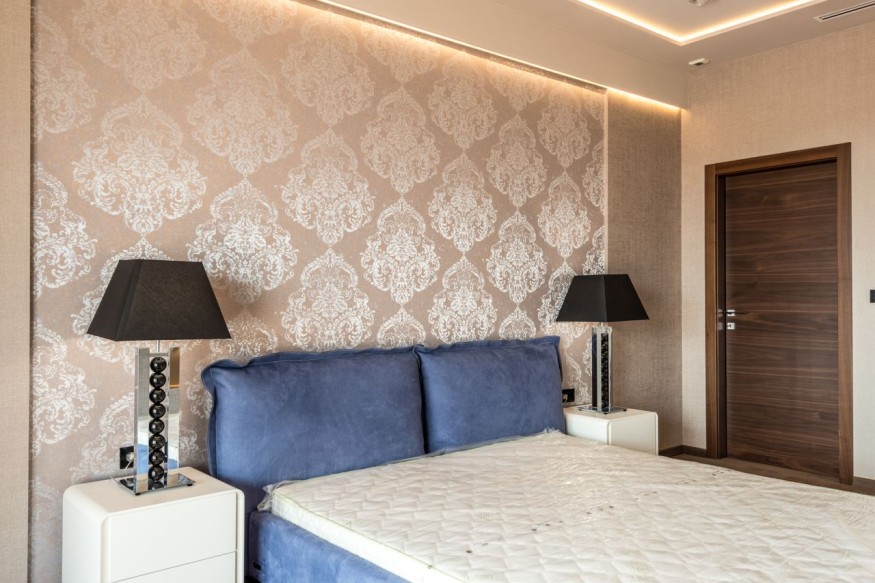
Choosing Wallpaper Materials for Different Spaces
Patterns matter, but materials also affect durability and maintenance.
Common wallpaper materials include:
- Vinyl: Durable and easy to clean, making it suitable for busy households.
- Non woven: Easy to install and remove while remaining breathable.
- Grasscloth: Adds rich natural texture but requires careful maintenance.
- Peel and stick: Ideal for renters or homeowners who enjoy updating interiors more frequently.
- Textured wallpaper: Adds depth even with subtle color palettes.
Choosing the appropriate material ensures wallpaper performs as well as it looks.
Common Wallpaper Mistakes to Avoid
Even beautiful wallpaper can feel out of place when certain design principles are overlooked.
Some common mistakes include:
- Ignoring the home's architectural style
- Selecting oversized patterns for compact rooms
- Mixing several bold wallpaper designs nearby
- Forgetting to evaluate lighting
- Prioritizing trends over timeless appeal
- Skipping wallpaper samples before ordering
Taking time during the planning stage often leads to better long term results.
Test Wallpaper Before Making a Final Decision
A wallpaper sample offers valuable insight before committing to full installation.
Helpful steps include:
- Order samples from several collections.
- Tape them to different walls throughout the room.
- Observe them during both daylight and evening lighting.
- Compare samples with flooring, cabinetry, curtains, and furniture.
- Live with each sample for several days before deciding.
Small tests often reveal details that are difficult to notice in a showroom or online image.
Create a Home That Feels Cohesive With the Right Wallpaper
The best interiors respect both architecture and personal style. By understanding the relationship between wallpaper, color, texture, and architectural details, homeowners can make more confident design decisions that remain appealing over time. Whether decorating a modern loft, a charming farmhouse, or a traditional family home, this wallpaper guide demonstrates that choosing wallpaper is about enhancing the character of the space rather than simply following current trends. When thoughtfully paired with different home design styles, wallpaper becomes an integral part of a home that feels inviting, balanced, and uniquely its own.
Frequently Asked Questions
1. How do homeowners choose wallpaper that matches their home's architectural style?
Start by identifying the home's architectural style and its defining features. Then select wallpaper patterns, colors, and textures that complement those elements rather than compete with them.
2. What wallpaper works best for modern home design styles?
Modern homes typically pair well with minimalist geometric patterns, textured neutrals, soft abstract designs, and simple color palettes that highlight clean architectural lines.
3. Should every room use the same wallpaper?
No. Each room can have its own personality while still maintaining a cohesive look through complementary colors, similar textures, or coordinating design themes.
4. Why is testing wallpaper before installation important?
Testing samples under different lighting conditions allows homeowners to see how colors and patterns interact with the room's architectural features, furniture, and finishes before making a final purchase.


Farrow & Ball's New Heritage Wallpapers Bring Historic Patterns Into Modern Homes

Little Greene Names Marle Its 2027 Color of the Year, a Warm Brown Made for Cozy Homes

8 Stylish Halloween Staircase Decor Ideas That Make a Dramatic Statement

The Best Prime Day Furniture Deals to Look for Before Refreshing Your Home

Tyler Perry's 22.5-Acre Beverly Hills Estate Hits the Market for $57 Million


