Rent vs Buy: Is It Better to Rent or Buy a Home? Real Estate Investment & Home Ownership Tips
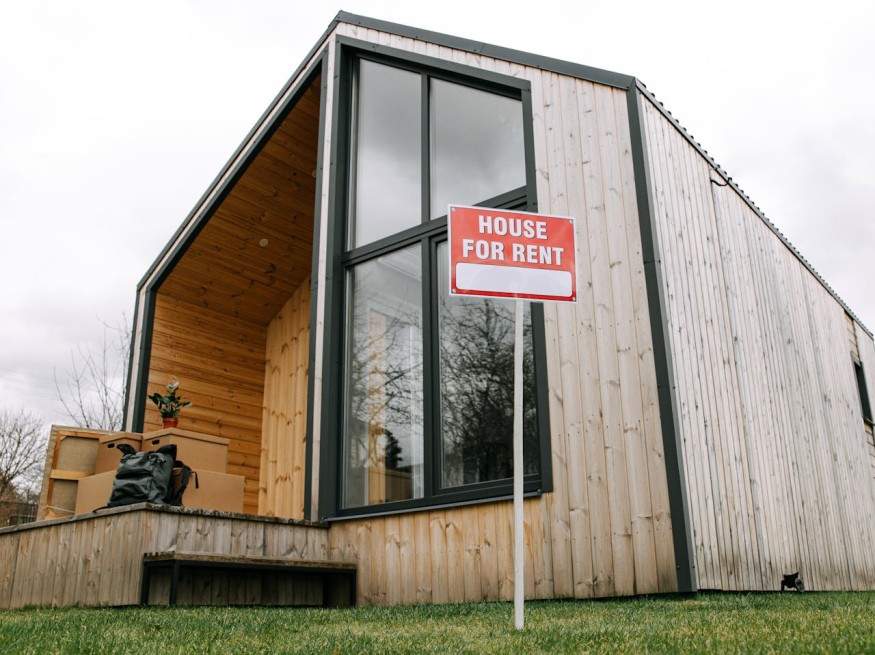
Choosing between renting and buying continues to shape how individuals approach long-term living arrangements, especially as property prices, lifestyle preferences, and mobility needs evolve. The ongoing discussion around rent vs buy is not only a financial comparison but also a reflection of how people prioritize flexibility, stability, and long-term planning.
For many households, the question of is it better to rent or buy does not have a universal answer. Instead, it depends on income stability, future plans, and how individuals view housing within their broader financial strategy. In some cases, renting supports freedom and adaptability, while in others, purchasing a home becomes part of a broader real estate investment strategy that builds long-term value.
Understanding Renting in Today's Housing Market
Renting is often viewed as a practical entry point into housing, especially in urban areas where mobility and convenience matter. Tenants typically sign lease agreements that outline monthly payments, duration of stay, and basic responsibilities.
Renting generally includes:
- Fixed monthly payments without long-term commitment to the property
- Landlord-managed maintenance and repairs
- Easier relocation between neighborhoods or cities
- Lower upfront financial requirement compared to purchasing
From a design perspective, renters often focus on adaptable interior styling. Furniture, lighting, and decor choices tend to emphasize flexibility since the space may change over time.
Understanding Home Buying and Ownership
Buying a home introduces long-term commitment and financial responsibility. It involves securing a mortgage, managing property-related expenses, and maintaining the home over time. However, it also allows individuals to build equity and personalize their living space more freely.
Homeownership typically includes:
- Mortgage payments structured over a long repayment period
- Upfront costs such as down payment and closing expenses
- Full responsibility for maintenance and repairs
- Opportunity to build equity and benefit from property appreciation
In interior design terms, homeowners often invest more deeply in permanent features such as built-in storage, customized layouts, and long-lasting materials.
Rent vs Buy Comparison in Real Life Scenarios
The rent vs buy comparison becomes clearer when examining practical differences in cost, lifestyle, and long-term outcomes.
Cost Considerations
- Renting involves predictable monthly payments with fewer surprise expenses
- Buying requires higher initial financial commitment but can contribute to long-term value building
- Homeownership includes ongoing costs such as taxes, insurance, and maintenance
Flexibility and Stability
- Renting supports mobility for career changes or lifestyle shifts
- Buying provides long-term stability and a sense of permanence
- Renting allows easier exit from a location without selling property
Maintenance and Responsibility
- Renters rely on landlords for repairs and structural maintenance
- Homeowners manage all upkeep, from minor fixes to major renovations
- Unexpected repair costs are more common in ownership situations
Equity and Long-Term Value
- Rent payments do not contribute to ownership
- Mortgage payments gradually build equity in the property
- Real estate value may increase over time depending on market conditions
Real Estate Investment Perspective on Homeownership
From a financial standpoint, homeownership is often associated with real estate investment strategies. A property can serve as both a residence and a long-term asset, depending on market performance and location demand.
Key investment-related considerations include:
- Property appreciation potential in growing neighborhoods
- Rental income opportunities if the property is later leased
- Market cycles that influence property value fluctuations
- Liquidity limitations compared to other investment types
While real estate can offer long-term value growth, it also requires patience and an understanding of market timing. Unlike liquid investments, property decisions are less flexible once purchased.

Financial and Planning Factors That Influence the Decision
The decision to rent or buy is closely tied to financial readiness and planning discipline. Several elements shape this choice beyond monthly affordability.
Important financial factors include:
- Credit score strength and mortgage eligibility
- Stability of income over time
- Debt obligations and repayment capacity
- Savings for down payment and emergency reserves
- Interest rate environment and loan structure
These factors often determine whether homeownership is practical or whether renting remains the more sustainable option.
Lifestyle Considerations in Renting vs Buying
Beyond finances, lifestyle preferences heavily influence housing decisions. Interior design choices, family planning, and mobility expectations all play a role in shaping outcomes.
Common lifestyle considerations include:
- Career mobility and likelihood of relocation
- Family size and space requirements
- Desire for customization in interior design
- Proximity to schools, workplaces, and amenities
- Long-term commitment to a specific neighborhood
Renters often prioritize flexibility in layout and furnishing, while homeowners tend to invest in personalization such as wall finishes, flooring upgrades, and permanent fixtures.
Is It Better to Rent or Buy a Home?
Determining is it better to rent or buy depends on timing, financial readiness, and long-term goals. Renting tends to suit individuals who prioritize flexibility, lower upfront costs, and reduced responsibility for maintenance. It also supports those who are still exploring neighborhoods or building financial stability.
Buying becomes more suitable when long-term residence is likely, financial stability is established, and there is interest in building equity through property ownership. In such cases, homeownership can also align with broader home ownership tips such as budgeting for maintenance, choosing locations with growth potential, and maintaining financial buffers for unexpected expenses.
Neither option is universally superior. Each serves different stages of financial and lifestyle development.
Rent vs Buy: Aligning Housing Choices with Long-Term Living Goals
The rent vs buy decision ultimately reflects how individuals balance freedom, responsibility, and financial planning. Renting offers adaptability and lower commitment, while buying supports long-term investment potential and personalization opportunities within a living space.
For those exploring home ownership tips, the focus often shifts toward preparation, including financial readiness, location research, and understanding long-term maintenance responsibilities. At the same time, renters benefit from maintaining flexibility in both lifestyle and interior design choices, allowing spaces to evolve with changing needs.
Frequently Asked Questions
1. What is the main difference between renting and buying a home?
Renting involves paying for temporary use of a property, while buying means owning the home and building equity over time through mortgage payments and property value changes.
2. Why do some people prefer renting over buying?
Many choose renting due to lower upfront costs, flexibility to relocate, and reduced responsibility for maintenance and repairs.
3. What are key home ownership tips for first-time buyers?
Important tips include saving for a strong down payment, reviewing credit health, researching neighborhoods carefully, and planning for ongoing maintenance expenses.
4. How does real estate investment relate to buying a home?
Buying a home can function as a real estate investment because it may build equity over time and potentially increase in value depending on market conditions and location.


From Craft Rooms to Music Studios: Why Dedicated Hobby Spaces Are Trending

Dr. Phil Lists Beverly Hills Mansion for $67.5 Million, More Than Double Its Purchase Price

From Bold Paint to Wood Paneling: Ceiling Ideas That Elevate Interiors

The Best Flooring Transitions for a Seamless Look Between Different Materials

How to Use Floating Furniture to Create Zones in an Open-Plan Home


