From Spills to Set In Marks: 4 Furniture Stain Removal Steps That Support Furniture Restoration
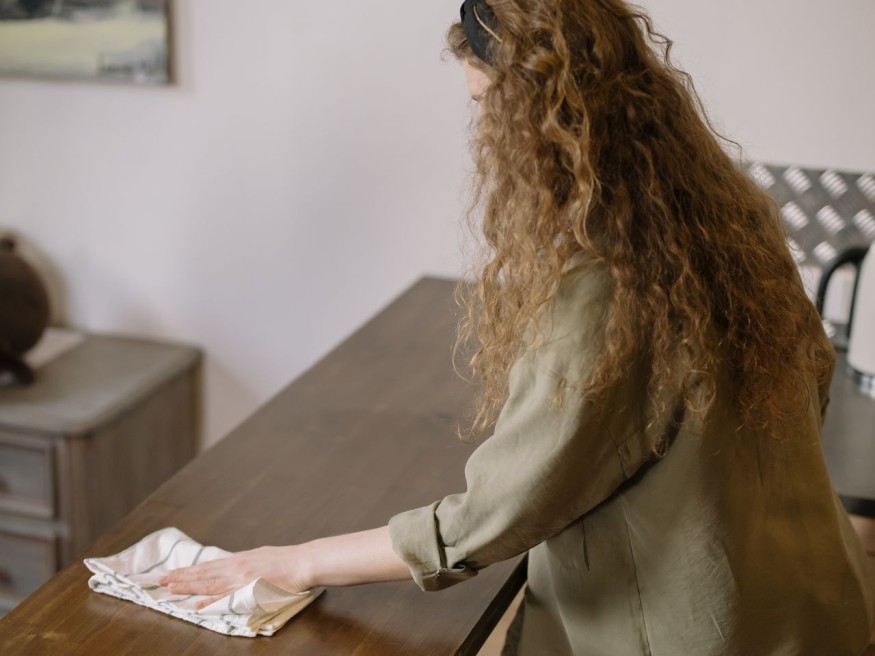
Furniture experiences daily wear from coffee spills, muddy paws, food accidents, ink marks, and countless other mishaps. While stains can seem permanent at first glance, the right cleaning method often makes a significant difference. Successful stain removal depends on identifying both the furniture material and the type of stain before choosing a cleaning solution. Acting carefully also helps preserve the item's appearance, making furniture restoration easier and preventing unnecessary damage.
The following four-step process can help tackle even stubborn stains while keeping upholstered, leather, and wood furniture in good condition.
Before You Start: Identify the Furniture Material and the Stain
Not every stain should be treated the same way. A cleaner that works well on fabric may damage leather or strip the finish from wood furniture.
Before cleaning, identify both the material and the source of the stain.
Common furniture materials include:
- Upholstered fabric
- Microfiber
- Leather
- Solid wood
- Veneer
- Faux leather
Common household stains include:
- Coffee and tea
- Red wine
- Grease
- Ink
- Pet accidents
- Food spills
- Water rings
- Makeup
Regardless of the furniture type, every cleaner should first be tested on a hidden area. This simple step helps prevent discoloration or damage.
Read more: How to Stay Cool Outdoor Party Summer with Outdoor Summer Entertaining Tips Guests Will Love
Step 1: Remove Excess Spills Immediately
Quick action often prevents a fresh spill from becoming a permanent stain.
Blot Instead of Rubbing
One of the biggest cleaning mistakes is rubbing a stain aggressively. Rubbing pushes the spill deeper into the fibers and may spread it across a larger area.
Instead:
- Use a clean microfiber cloth.
- Gently blot the spill.
- Replace the cloth as it becomes damp.
- Continue until no more liquid transfers.
Paper towels can also work for fresh liquid spills, but microfiber cloths are usually gentler on delicate fabrics.
Should You Use Hot or Cold Water?
The answer depends on the stain.
Cold water generally works best for:
- Coffee
- Juice
- Most food spills
- Blood stains
Warm water may help loosen greasy residue, but excessive heat can permanently set certain stains into upholstery. When in doubt, begin with cool water before trying anything stronger.
Step 2: Choose the Right Cleaning Solution
After removing excess moisture, select a cleaner that matches both the stain and the furniture material.
Safe Homemade Cleaners for Everyday Stain Removal
Many common household ingredients can handle light stains effectively.
Popular options include:
- Mild dish soap mixed with water
- White vinegar diluted with water
- Baking soda paste for grease
- Hydrogen peroxide for select light-colored fabrics after spot testing
Always apply the cleaner to the cloth rather than directly onto the furniture whenever possible. This gives better control over moisture and helps protect delicate materials.
When Should Commercial Furniture Cleaners Be Used?
Some stains require specialty products designed for specific surfaces.
Commercial cleaners are often the better choice for:
- Leather furniture
- Antique wood finishes
- Delicate upholstery
- Ink stains
- Heavy grease buildup
Following the manufacturer's care instructions helps reduce the risk of damaging expensive furniture.
Step 3: Treat the Stain Without Damaging the Surface
Different furniture materials require different cleaning techniques.
Removing Stains From Upholstered Furniture
Fabric upholstery can absorb liquids quickly, making prompt cleaning essential.
For best results:
- Blot the stain first.
- Apply a small amount of cleaning solution.
- Use a soft cloth to dab gently.
- Allow the area to air dry naturally.
Avoid soaking the fabric since trapped moisture may encourage mold or unpleasant odors.
Removing Stains From Wood Furniture
Wood surfaces need extra care because excessive moisture can affect the finish.
For common stains:
- Water rings can often be reduced using a soft cloth and gentle wood cleaner.
- Sticky residue should be loosened gradually instead of scraped.
- Grease marks respond well to mild soap followed by immediate drying.
Wood polish may help restore shine after cleaning.
Removing Stains From Leather Furniture
Leather requires gentle products that preserve its natural oils.
Helpful tips include:
- Use a damp cloth instead of a wet one.
- Choose cleaners specifically made for leather.
- Wipe away residue immediately.
- Finish with a leather conditioner after the surface has dried.
Conditioning helps maintain flexibility while supporting long-term furniture restoration.
Can Baking Soda Remove Furniture Stains?
Baking soda is a useful cleaning ingredient for many situations.
It works particularly well for:
- Grease spots
- Mild odors
- Food stains on upholstery
However, baking soda should not be scrubbed aggressively onto polished wood or delicate leather because its mild abrasiveness may dull certain finishes.
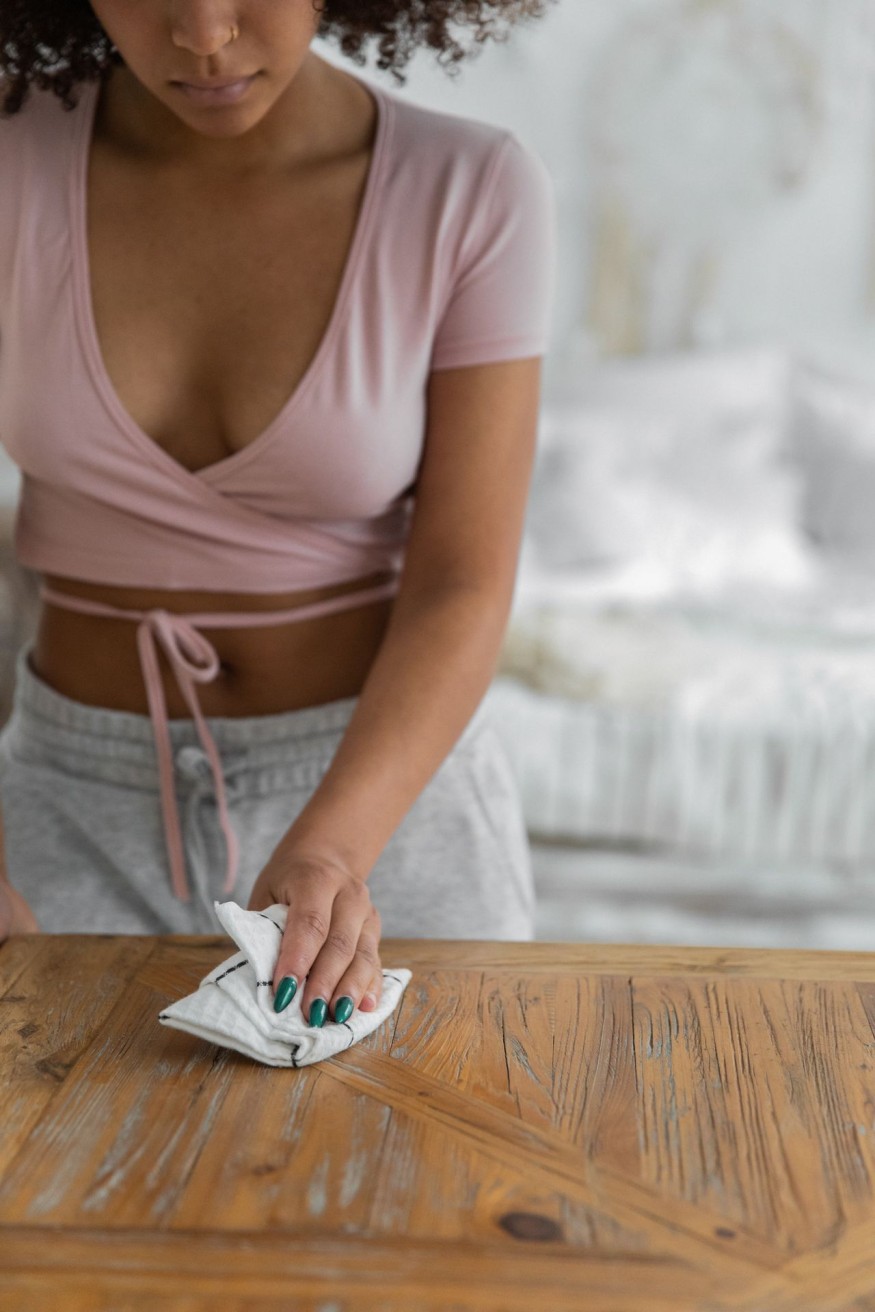
Step 4: Dry and Protect the Furniture
Cleaning is only part of successful stain removal. Proper drying helps prevent future problems.
Why Proper Drying Matters
After cleaning:
- Allow the furniture to air dry completely.
- Improve airflow with a fan if needed.
- Avoid direct heat from hair dryers or heaters.
- Keep cushions separated until fully dry.
Proper drying reduces the risk of lingering moisture that can affect fabrics or wood.
Add Protective Treatments
Once the furniture is clean, protective products can help reduce future staining.
Examples include:
- Fabric protectant sprays
- Leather conditioners
- Wood polish
- Protective wax for select wood finishes
These products create an added layer of defense while supporting ongoing furniture restoration efforts.
Common Furniture Stain Removal Mistakes to Avoid
Even good intentions can cause additional damage if the wrong techniques are used.
Avoid these common mistakes:
- Scrubbing stains aggressively
- Mixing household cleaning chemicals
- Using bleach on delicate fabrics
- Applying too much water to wood furniture
- Ignoring manufacturer care labels
- Skipping a spot test before cleaning
A slower, more careful approach usually delivers better results than aggressive cleaning.
How to Keep Furniture Looking New Longer
Preventing stains is often easier than removing them.
Simple maintenance habits include:
- Vacuum upholstered furniture regularly.
- Clean spills as soon as they happen.
- Use coasters and placemats whenever possible.
- Rotate cushions to promote even wear.
- Keep furniture away from prolonged direct sunlight.
- Schedule occasional deep cleaning based on the furniture material.
Consistent care not only reduces future stains but also extends the lifespan of furniture.
Protect Your Furniture With Smart Stain Removal Techniques
Knowing how to approach different stains makes everyday furniture care far less stressful. By identifying the material, choosing an appropriate cleaner, treating stains gently, and protecting the surface afterward, homeowners can handle many common spills before they become permanent marks. These practical stain removal methods also support long-term furniture restoration, helping favorite pieces remain attractive, functional, and ready for years of everyday use.
Frequently Asked Questions
1. What is the hardest furniture stain to remove?
Ink, red wine, grease, and old pet stains are often among the most difficult because they penetrate deeply into fabrics or finishes. Acting quickly greatly improves the chances of successful removal.
2. Can old stains be removed from furniture?
Yes. While older stains can be more challenging, many respond to specialized cleaners or repeated gentle treatments. Deep or long-standing stains on valuable furniture may require professional furniture restoration services.
3. Is vinegar safe for every type of furniture?
No. Diluted vinegar may work well on certain fabrics and some hard surfaces, but it should not be used on natural stone, unfinished wood, or some delicate finishes without checking the manufacturer's recommendations first.
4. How can furniture be protected from future stains?
Routine cleaning, prompt spill removal, fabric protectants, leather conditioners, wood polish, and everyday habits like using coasters all help reduce the likelihood of stubborn stains while keeping furniture in excellent condition.


Kohler and Aerin Lauder Introduce Delft-Inspired Floral Bathroom Fixtures

Benjamin Moore's 2027 Color of the Year Is a Nature-Inspired Green With Timeless Appeal

How to Host and Style a Party That Feels Warm, Welcoming, and Effortlessly Stylish

California Considers New Restrictions on Engineered Stone Countertops Over Silica Risks

Sherwin-Williams's 2027 Color Forecast Unveils 48 Rich Colors to Refresh Your Home in 2027


