Avoid These 10 Home Renovation Mistakes for a Better DIY Remodel on a Budget
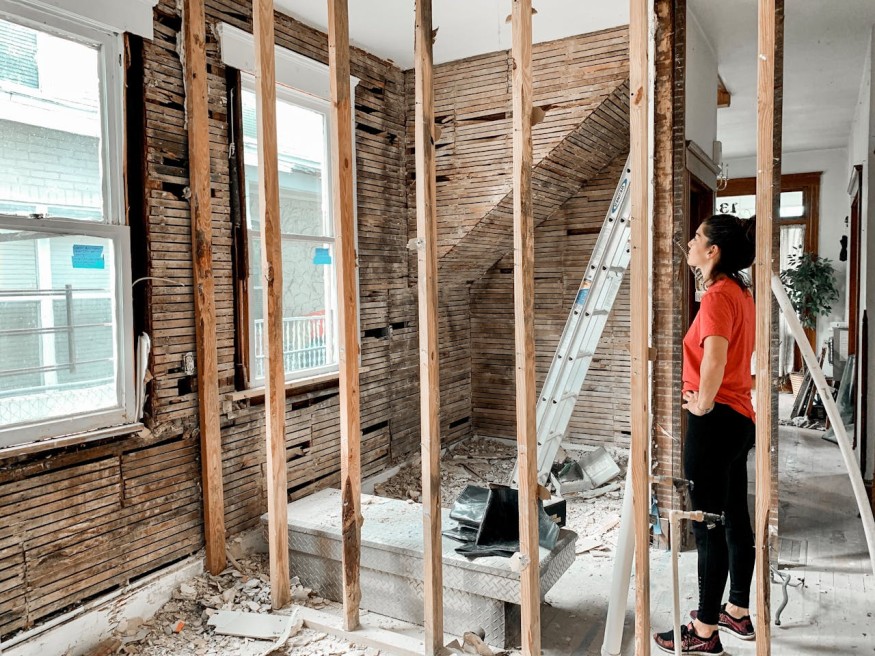
A home renovation can completely change the feel and function of a space, but even well-planned projects can run into problems. From budget issues to poor material choices, small mistakes often lead to unnecessary stress and expensive repairs later. Whether someone is planning a full remodel or a simple room refresh, understanding what not to do is just as important as choosing paint colors or flooring.
These practical home renovation tips highlight the most common renovation mistakes and offer realistic ways to avoid them. For homeowners searching for fresh home improvement ideas, smarter planning, or guidance for a DIY home renovation, these insights can help create a smoother renovation experience while keeping a renovation on a budgetpossible.
1. Starting Without a Clear Plan
One of the biggest renovation mistakes happens before any work even begins. Jumping into demolition or shopping without a structured plan often causes delays and overspending.
A renovation plan should include:
- Project goals
- Room measurements
- Material lists
- A realistic timeline
- A spending limit
Without a clear direction, homeowners may end up changing decisions halfway through the project, which increases both labor and material costs.
2. Ignoring the Real Cost of Renovation
Many homeowners underestimate how quickly expenses can add up. Hidden plumbing problems, electrical updates, and delivery fees are often overlooked during budgeting.
A smart approach to renovation on a budget includes:
- Comparing multiple contractor quotes
- Prioritizing essential upgrades first
- Tracking every purchase
- Setting aside extra funds for surprises
Budget-friendly renovations do not always mean choosing the cheapest option. Durable materials often save more money over time because they require less maintenance and replacement.
3. Choosing Trendy Designs Over Timeless Style
Trends can make a home look modern for a short time, but some styles lose appeal quickly. Extremely bold colors, unusual fixtures, or overly themed rooms may not age well.
Instead, homeowners can:
- Use neutral tones for permanent fixtures
- Add trends through décor and accessories
- Focus on practical layouts that improve daily living
Classic kitchens, functional bathrooms, and clean finishes tend to remain attractive for years.
4. Taking On DIY Projects That Require Professionals
A DIY home renovation can save money and add a personal touch, but not every project is suitable for beginners. Electrical work, plumbing changes, and structural modifications usually require professional expertise.
Good DIY projects include:
- Painting walls
- Installing shelves
- Updating cabinet hardware
- Creating accent walls
- Basic landscaping improvements
Knowing personal skill limits can prevent safety hazards and costly repairs later.
5. Poor Lighting Decisions
Lighting affects both the appearance and functionality of a room. Many renovations rely too heavily on a single overhead light, which can make spaces feel flat or dark.
A balanced lighting plan should include:
- Ambient lighting for general brightness
- Task lighting for kitchens and work areas
- Accent lighting for décor and atmosphere
Natural light should also be considered during renovations. Larger windows, lighter paint colors, and reflective surfaces can make rooms feel brighter and more open.
6. Overlooking Storage Needs
Beautiful renovations can quickly become frustrating if there is not enough storage. Clutter often builds up when storage solutions are added as an afterthought.
Practical home improvement ideas for storage include:
- Built-in shelving
- Under-bed storage
- Multi-purpose furniture
- Vertical cabinets
- Hidden storage benches
Small homes especially benefit from creative storage planning because every inch of space matters.
7. Buying Cheap Materials That Wear Out Quickly
Low-cost materials may seem attractive during shopping, but poor-quality flooring, cabinets, or fixtures often need replacement much sooner than expected.
When planning a renovation on a budget, it helps to spend more on high-use areas such as:
- Kitchen countertops
- Bathroom fixtures
- Flooring in busy spaces
- Door hardware
Mixing affordable and premium materials is often the best strategy. For example, homeowners may choose durable countertops while saving money on decorative accessories.
8. Forgetting About Ventilation and Airflow
Ventilation is not always exciting to think about during a renovation, but it plays a major role in comfort and maintenance. Poor airflow can lead to moisture problems, unpleasant odors, and damage over time.
Important areas to improve ventilation include:
- Bathrooms
- Kitchens
- Laundry rooms
- Attics
Installing quality exhaust fans and improving insulation can make the home more comfortable while helping protect renovation investments.
9. Skipping Permits and Building Regulations
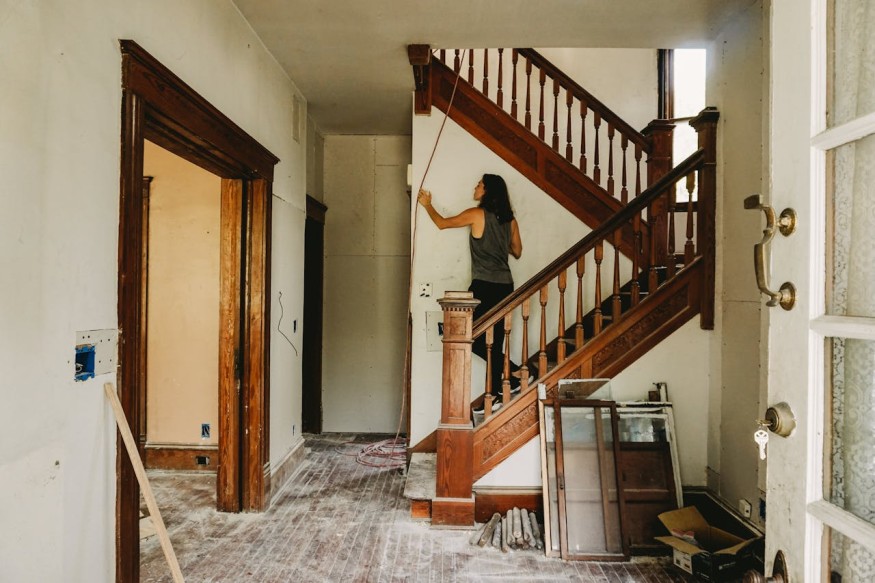
Some homeowners try to avoid permits to save time, but this decision can create serious complications later. Unapproved work may lead to fines, insurance problems, or issues when selling the property.
Before starting renovations, it is important to:
- Check local building requirements
- Hire licensed contractors when needed
- Keep records of inspections and approvals
Following regulations helps ensure the renovation is safe and legally compliant.
10. Forgetting About Resale Value
Personal style matters, but overly customized renovations can make it harder to attract future buyers. Bright specialty rooms or highly unusual layouts may reduce broader appeal.
Projects that generally support resale value include:
- Kitchen upgrades
- Bathroom improvements
- Fresh paint
- Energy-efficient updates
- Improved curb appeal
Homeowners do not need to design only for future buyers, but balancing personality with practicality often leads to smarter long-term decisions.
Smart Renovation Habits That Save Time and Money
Successful renovations usually come down to preparation and patience. Even small changes can make a major difference when projects are approached thoughtfully.
Helpful home renovation tips include:
- Renovating one room at a time
- Reusing materials when possible
- Shopping during seasonal sales
- Creating a realistic schedule
- Hiring professionals for technical work
A well-planned DIY home renovation can still feel creative and personal without becoming overwhelming or unnecessarily expensive.
Frequently Asked Questions
1. What should homeowners do before starting a renovation?
Homeowners should create a detailed renovation plan that includes goals, measurements, material choices, timelines, and a clear budget before beginning any work.
2. Which home renovations add the most value?
Kitchen updates, bathroom remodels, improved storage, and curb appeal improvements are some of the most valuable renovation projects for homeowners.
3. How can someone manage a renovation on a budget?
Careful planning, comparing contractor quotes, reusing materials, and focusing on high-priority upgrades can help reduce renovation costs while maintaining quality.
4. What are the safest DIY home renovation projects?
Painting, decorating, shelving installation, and simple landscaping projects are generally safe for beginners. Electrical and structural work should usually be handled by licensed professionals.


8 Stylish Halloween Staircase Decor Ideas That Make a Dramatic Statement

The Best Prime Day Furniture Deals to Look for Before Refreshing Your Home

Small-Space Design: Why the 'Boneless' Sofa Is Worth Considering

How to Bring Autumn Into Every Room With These 12 Cozy Decorating Ideas

The Essential Fall Home Maintenance Checklist Every Homeowner Should Follow


