Prestige University Makes History With World Architecture Festival Win
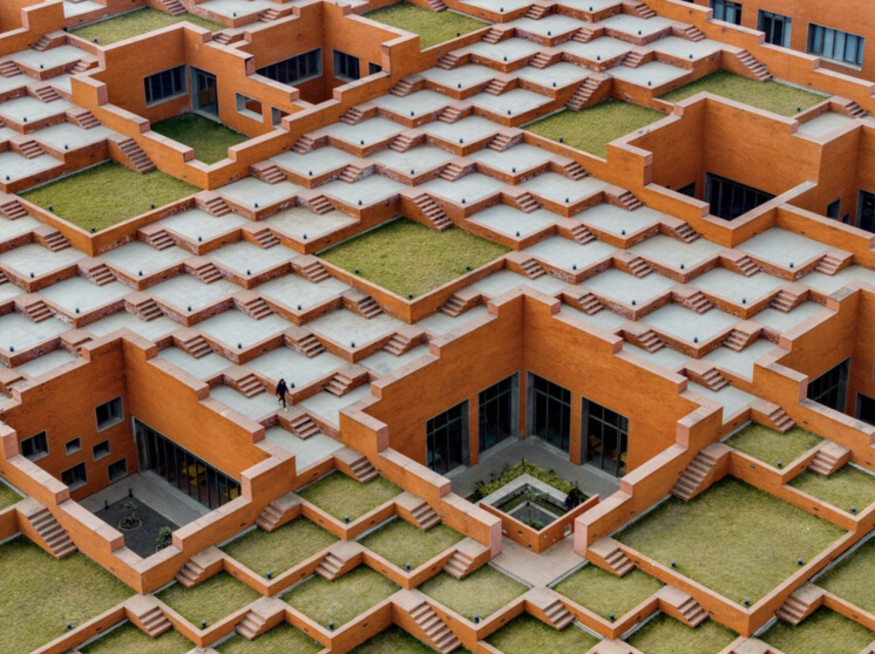
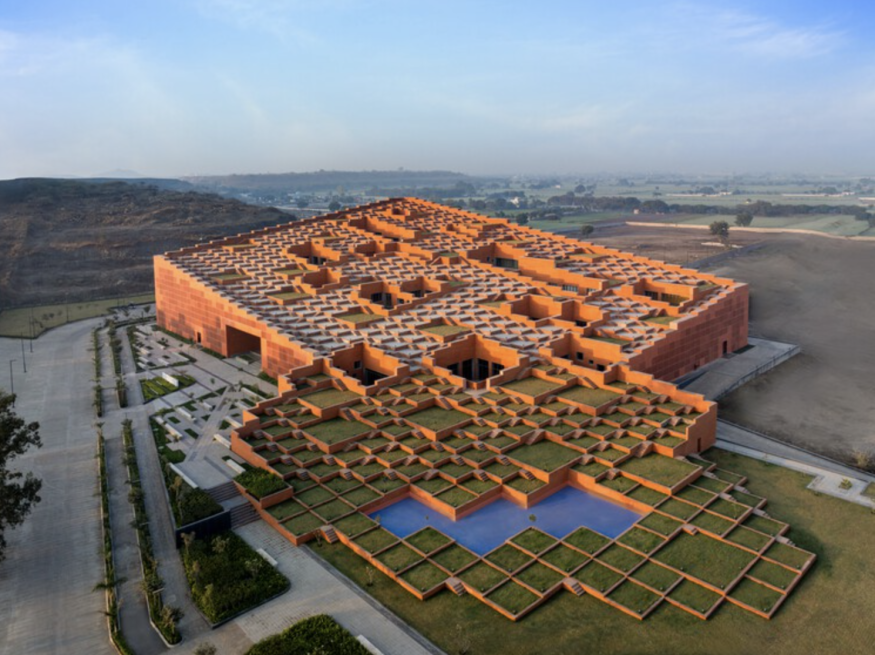
Prestige University in Indore, India, has been named World Building of the Year 2026 at the 19th edition of the World Architecture Festival (WAF), bringing international recognition to a university campus designed around a distinctive interpretation of traditional Indian architecture.
Designed by Mumbai-based practice Sanjay Puri Architects, the educational complex received the festival's highest architectural honor during its closing gala in Fort Lauderdale, Florida, on November 20. The announcement followed three days of presentations and judging, during which architectural practices from around the world competed across completed buildings, future projects, interiors, and landscape categories.
The award recognizes more than the university's visual identity. Its architecture draws inspiration from India's historic stepped wells, reinterpreting the traditional structures through a contemporary educational environment. These ancient water structures historically served practical and social purposes, providing communities with places to gather while offering access to water.
According to the festival's official results, Prestige University also won the Higher Education and Research category before being selected for the overall World Building of the Year title. The recognition places the Indian project among the most notable examples of contemporary institutional architecture celebrated in 2026.
A Contemporary Interpretation of India's Architectural Heritage
One of the defining characteristics of Prestige University is its stepped architectural language. Rather than approaching the campus as a conventional collection of academic buildings, Sanjay Puri Architects developed a design that references the spatial qualities of India's traditional stepwells.
Stepwells, historically constructed throughout parts of the country, were designed to provide access to groundwater while creating communal spaces. Their descending staircases, layered platforms, and geometric arrangements also established distinctive architectural experiences.
At Prestige University, this historical reference becomes a starting point for a contemporary institutional setting. The design translates the idea of layered spaces into an environment intended to encourage movement, interaction, and connections between different areas of the campus.
The approach also demonstrates how historical architectural references can influence modern educational environments without requiring literal reproductions of traditional structures.
Architecture That Encourages Interaction
Educational architecture increasingly considers how physical environments influence the experiences of students, faculty members, and visitors. Beyond classrooms and administrative facilities, campuses must accommodate circulation, informal conversations, collaboration, and moments of rest.
The stepped arrangement at Prestige University reflects this broader approach to institutional planning. Its architectural concept uses different levels and interconnected spaces to create a more layered relationship between the university's built environment and its occupants.
The reference to stepwells is particularly relevant because these historic structures were never exclusively utilitarian. They also functioned as places where people could meet and interact. Bringing that principle into a university setting establishes a connection between architectural heritage and the social role of contemporary educational institutions.
This interpretation makes the project notable within a broader conversation about how universities can create environments that support community life alongside academic activities.
Sanjay Puri Architects Receives International Recognition
The award also highlights the work of Sanjay Puri Architects. Based in Mumbai, the practice is known for exploring contemporary architectural forms, climate-responsive design, and unconventional spatial arrangements.
Its selection for the overall WAF award reflects the international jury's recognition of the university's architectural concept and its relationship with the cultural context of its location.
The 2026 World Architecture Festival took place from November 18 to 20 in Fort Lauderdale. The event featured more than 400 live project presentations, with over 130 international judges participating in the evaluation process. Its awards program covered 42 categories across architecture, interiors, landscape, and future projects.
Prestige University's victory also reflects the growing international visibility of architecture practices working across India and other emerging design markets.
What the World Building of the Year Award Represents
The World Building of the Year title is the festival's highest recognition for a completed building. Unlike awards that focus exclusively on visual presentation or a particular architectural discipline, the WAF program brings together projects from different countries, building types, and design contexts.
The overall winner is selected from projects that have already demonstrated their strengths through category-level evaluations. This makes the final recognition particularly significant, as the winning building must stand out among an international selection of architectural work.
Prestige University now joins the list of projects recognized for contributing to contemporary architectural discussions through their design approach, spatial organization, and relationship with their surroundings.
Its 2026 victory also offers an example of how traditional architectural principles can inform the design of modern institutions. By drawing from the communal qualities of India's historic stepwells, the university presents an approach to educational architecture that connects cultural memory with contemporary campus life.


Forget Stainless Steel: Colorful Ranges Are Becoming the Star of Designer Kitchens

Costco's 10 Best Holiday Décor Finds for a Designer-Looking Christmas

From Maximalism to Renovation Advice: 11 Interior Design Books Worth Reading in 2026

Prestige University Makes History With World Architecture Festival Win

Mexico's COLECTIVO C733 Takes Home the Inaugural Siza Award for Public Architecture


