The Styling Formula That Makes Any Room Look High End With Luxury Decor on a Budget
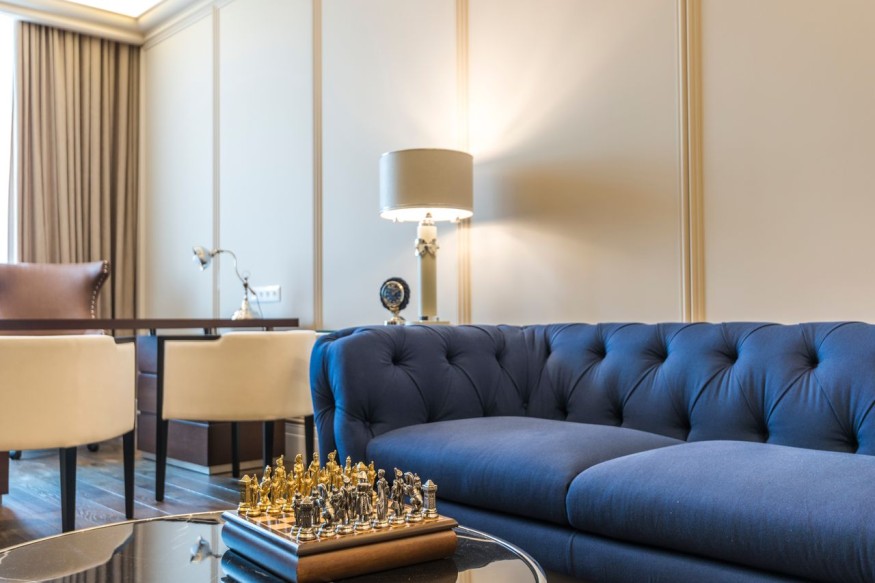
Creating a home that feels elegant does not always require custom furniture or a designer-sized budget. In many professionally styled interiors, the finishing touches make the biggest difference. Carefully selected accessories add personality, create balance, and help a room feel complete. They also guide the eye, making everyday spaces appear more polished and intentional.
For homeowners looking for practical home improvement ideas, mastering the art of accessorizing is one of the most affordable upgrades available. Whether refreshing a living room, bedroom, or entryway, the right styling choices can achieve luxury decor on a budget without replacing major furniture pieces.
Why Accessories Make a Bigger Difference Than Many People Realize
Furniture establishes the function of a room, but accessories define its character. Decorative objects, artwork, lighting, textiles, and greenery create visual layers that make interiors feel inviting rather than unfinished.
Professional designers often wait until large furniture pieces are in place before styling a room because accessories help tie every element together. Instead of filling empty spaces with random décor, they carefully choose pieces that complement one another through color, texture, and scale.
This thoughtful approach creates a home that feels curated instead of cluttered.
The Accessorizing Formula Designers Use
Creating an expensive-looking room follows a repeatable styling method rather than guesswork.
Start With One Statement Piece
Every room benefits from a strong focal point. Rather than competing decorative items, choose one standout feature that immediately captures attention.
Popular statement pieces include:
- Oversized framed artwork
- A sculptural floor lamp
- A large decorative mirror
- A striking area rug
- A dramatic chandelier
Once the focal point is established, supporting accessories should enhance rather than compete with it.
Build Layers Instead of Filling Space
Luxury interiors often appear rich because they contain depth instead of excess.
Layer different materials throughout the room, including:
- Natural wood
- Glass
- Ceramic
- Linen
- Velvet
- Metal
- Stone
Mixing textures keeps a neutral space from feeling flat while allowing every decorative object to stand out naturally.
Use a Limited Color Palette
Too many accent colors can make accessories look disconnected.
Instead, choose a foundation of neutral tones and introduce two or three complementary accent colors through pillows, artwork, books, or decorative objects. Repeating these colors throughout the room creates harmony.
Follow the Rule of Three
Interior designers frequently group decorative objects in odd numbers because the arrangement feels balanced without appearing overly symmetrical.
For example, a coffee table can include:
- A stack of coffee table books
- A decorative candle
- A ceramic vase with fresh greenery
The varying heights create movement while maintaining visual simplicity.
Home Improvement Ideas That Instantly Elevate Accessories
Some of the most effective room upgrades involve improving the backdrop that accessories sit within.
Simple projects include:
- Replacing outdated cabinet hardware with modern finishes
- Installing stylish wall sconces
- Updating lampshades
- Adding decorative molding
- Painting walls in warm neutral shades
- Refreshing shelving with coordinated styling
- Hanging curtains closer to the ceiling to create the illusion of height
These small improvements make decorative accents appear even more refined without requiring a full renovation.
Luxury Decor on a Budget: Affordable Accessories That Look High End
Stylish homes rarely rely on expensive accessories alone. Instead, they focus on selecting timeless pieces that appear collected over time.
Decorative Books
Beautiful coffee table books add height, color, and sophistication. Stack two or three together to create an attractive display on consoles, side tables, or shelves.
Ceramic Vases
Simple ceramic vases in neutral colors complement nearly every decorating style. They also look beautiful with seasonal branches, fresh flowers, or dried arrangements.
Woven Baskets
Storage becomes part of the décor when attractive woven baskets are used for blankets, magazines, or children's toys.
Elegant Picture Frames
Replacing mismatched frames with coordinated wood, brass, or black finishes instantly creates a more polished appearance.
Sculptural Candles and Candleholders
Candles provide both decoration and ambiance. Pair them with stone, ceramic, or metallic holders for additional visual interest.
Throw Pillows and Blankets
Mix fabrics rather than identical pillow sets. Combining linen, boucle, cotton, and velvet creates a layered look that feels thoughtfully designed.
Common Styling Mistakes That Make a Room Feel Less Expensive
Even beautiful accessories can lose their impact when styling mistakes occur.
Avoid these common habits:
- Overcrowding shelves with too many small objects
- Buying matching décor collections instead of mixing pieces
- Choosing accessories that are too small for the furniture
- Ignoring lighting when styling decorative displays
- Filling every empty surface without leaving visual breathing room
- Displaying too many personal collectibles at once
A room often feels more luxurious when fewer items are displayed with intention.
Room by Room Styling Tips
Different spaces benefit from different accessorizing strategies.
Living Room
Focus on layering comfort and texture.
Include:
- Large artwork above the sofa
- Decorative pillows in varying fabrics
- Coffee table books
- Greenery
- A statement floor lamp
Bedroom
Create a relaxing retreat through soft accessories.
Consider:
- Coordinated bedside lamps
- Plush bedding
- Decorative throw blankets
- Framed artwork
- A bench with textured cushions
Entryway
The entry creates the home's first impression.
A stylish entry often includes:
- A console table
- A large mirror
- A decorative bowl for keys
- Fresh flowers or greenery
- Accent lighting
Bathroom
Luxury hotel inspiration works especially well here.
Simple upgrades include:
- Matching soap dispensers
- Rolled towels in woven baskets
- Small potted plants
- Marble trays
- Glass storage containers
A Simple Styling Checklist for an Expensive Looking Home
Before considering a room complete, review these finishing details.
- Include accessories in different heights.
- Mix natural and polished materials.
- Add one organic element such as greenery.
- Keep decorative displays balanced instead of crowded.
- Layer lighting using table lamps, floor lamps, and overhead fixtures.
- Repeat colors throughout the room for cohesion.
- Leave empty space so statement pieces remain the focus.
These straightforward habits make styling feel intentional while supporting both home improvement ideas and luxury decor on a budget.
Transform Everyday Spaces With Thoughtful Home Improvement Ideas
An elegant home is rarely defined by expensive purchases alone. Instead, it reflects careful styling, balanced composition, and accessories chosen with purpose. By focusing on texture, scale, lighting, and a restrained color palette, homeowners can create interiors that feel timeless and sophisticated. Combining smart home improvement ideas with luxury decor on a budget proves that even modest updates can give every room a refined, designer-inspired finish.
Frequently Asked Questions
1. What is the easiest way to make a room look more expensive?
Adding a statement mirror, layering different textures, improving lighting, and styling surfaces with carefully selected accessories are among the simplest ways to elevate a room.
2. How can homeowners achieve luxury decor on a budget?
Shopping secondhand, choosing timeless decorative pieces, updating hardware, incorporating greenery, and investing in quality accessories rather than replacing furniture are effective ways to create a luxurious look affordably.
3. Which accessories have the biggest impact in a room?
Oversized artwork, decorative mirrors, ceramic vases, coffee table books, layered textiles, elegant lighting, and thoughtfully arranged greenery all make a noticeable visual impact.
4. How often should home accessories be updated?
Large decorative pieces can remain for years, while seasonal accents such as pillows, flowers, candles, and small decorative objects can be refreshed throughout the year to keep interiors feeling current without requiring a complete redesign.


Kohler and Aerin Lauder Introduce Delft-Inspired Floral Bathroom Fixtures

Benjamin Moore's 2027 Color of the Year Is a Nature-Inspired Green With Timeless Appeal

How to Host and Style a Party That Feels Warm, Welcoming, and Effortlessly Stylish

California Considers New Restrictions on Engineered Stone Countertops Over Silica Risks

Sherwin-Williams's 2027 Color Forecast Unveils 48 Rich Colors to Refresh Your Home in 2027


