Cushcore: The Cozy Decor Trend Making Homes Feel Softer This Fall
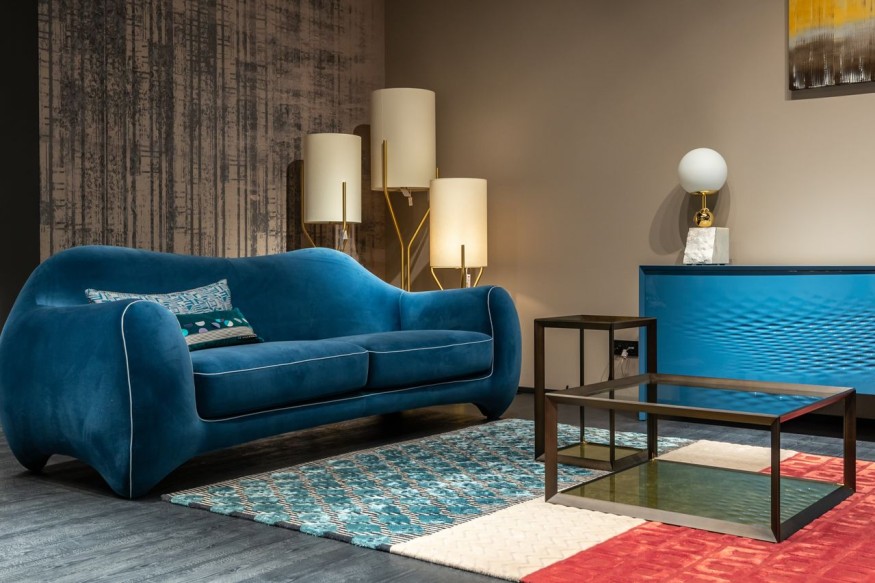
As temperatures drop and evenings become more inviting for staying indoors, home interiors naturally shift toward comfort. This fall, that desire for a softer, more welcoming home is finding expression in a decor aesthetic known as cushcore.
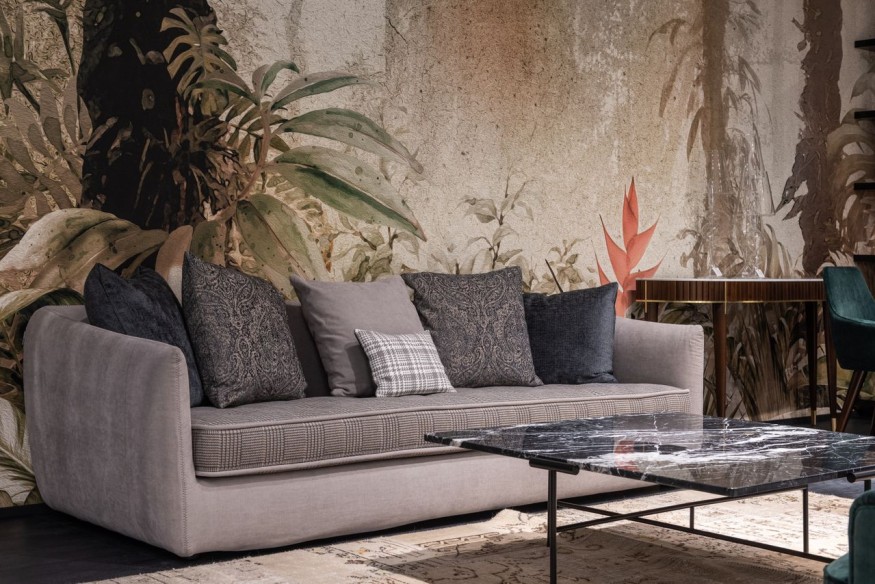
Built around generously cushioned furniture, tactile fabrics, layered textiles, and relaxed silhouettes, cushcore puts physical comfort at the center of interior design. Its defining feature is often an oversized, inviting sofa, but the aesthetic extends to the entire room, from upholstered ottomans to soft rugs and warm lighting.
Unlike strictly minimalist interiors, which often emphasize clean lines and carefully edited furnishings, cushcore embraces a more relaxed atmosphere. However, the look is not simply about filling a room with pillows or purchasing the largest sofa available. The most successful interpretations balance plush materials with thoughtful proportions and a cohesive palette.
What Is Cushcore Decor?
Cushcore is an emerging interior design trend centered on softness, comfort, and generously upholstered furniture. The name captures its defining idea: making a home feel like a comfortable retreat without sacrificing visual appeal.
The aesthetic draws on familiar ideas from relaxed traditional interiors, cozy family rooms, and the inviting living spaces often associated with classic American home design. Rather than treating comfort as an afterthought, cushcore makes it a central design priority.
Its appeal also reflects a practical shift in how living rooms are used. With many households relying on the same space for entertaining, reading, watching films, and relaxing, furniture needs to accommodate different activities throughout the day.
A deep sofa, supportive cushions, and soft textiles can help a room feel more adaptable and welcoming.
Why Plush Furniture Is Taking Center Stage
Furniture shapes the way a room feels and functions. A streamlined sofa with a rigid silhouette can establish a formal atmosphere, while a generously cushioned design tends to feel more relaxed.
Cushcore emphasizes rounded edges, deep seats, substantial upholstery, and cushions that invite people to settle in. These features can make a living room feel less like a showroom and more like a space designed for everyday use.
However, oversized furniture is not automatically comfortable. Seat depth, cushion firmness, back support, and upholstery durability all influence whether a sofa works for the people using it.
Homeowners should test furniture where possible, paying attention to how easily they can sit down, stand up, and maintain a comfortable posture. A piece that looks inviting in a photograph may not suit every household.
Scale matters, too. A large sofa can anchor a spacious living room, but it may overwhelm a compact apartment or obstruct circulation in a narrow space.
The Materials That Make Cushcore Feel Inviting
Texture is essential to the cushcore aesthetic. Even a relatively restrained color scheme can feel rich when it combines different materials and finishes.
Velvet Adds Depth and Softness
Velvet upholstery introduces a tactile surface and subtle changes in color as light moves across the fabric. It can work particularly well in deep green, warm brown, muted burgundy, or dusty blue.
Although velvet can create a luxurious appearance, its suitability depends on the fabric's construction, maintenance requirements, and resistance to wear.
Wool and Bouclé Introduce Texture
Wool throws, textured cushions, and bouclé upholstery add dimension without requiring bright colors or complicated patterns.
These materials work well alongside smoother surfaces such as wood, glass, and metal. The contrast keeps a room from feeling overly uniform.
Bouclé can be attractive for accent chairs and decorative pieces, although homeowners with pets should consider how the fabric's loops may interact with claws and everyday wear.
Cotton and Linen Keep the Look Relaxed
Cotton and linen introduce a more casual quality to the room. They are useful for cushion covers, lightweight throws, and window treatments.
Their natural texture complements heavier upholstery, allowing a space to feel layered without becoming visually dense.
How to Create a Cushcore Living Room Without Overdoing It
A comfortable living room does not need to be completely redesigned to embrace cushcore. A few carefully chosen changes can introduce the aesthetic while preserving existing furniture and decor.
Start With the Main Seating
The sofa is often the most important piece in a cushcore living room. Look for comfortable proportions, supportive cushions, and upholstery that suits the household's maintenance needs.
If replacing the sofa is not practical, a more affordable alternative is to refresh existing seating with substantial cushions and a soft throw.
The goal is to make the room feel inviting rather than simply adding bulk.
Layer Textures Instead of Adding More Colors
A cohesive palette helps plush furniture look intentional. Cream, camel, taupe, brown, muted green, and burgundy can provide a warm foundation for fall interiors.
Rather than introducing many unrelated shades, homeowners can build interest through differences in texture. A wool throw, velvet cushion, linen curtain, and textured rug can create depth while keeping the color scheme controlled.
Choose Lighting That Supports the Atmosphere
Harsh overhead lighting can undermine an otherwise cozy room. Table lamps, floor lamps, and dimmable fixtures provide more flexibility for reading, entertaining, and winding down in the evening.
Warm-toned lighting can complement the rich fabrics and earthy colors often associated with cushcore.
Lighting placement should still support practical activities. Reading areas need adequate illumination, while pathways and staircases should remain clearly visible.
Leave Enough Breathing Room
One of the easiest ways to misinterpret cushcore is to assume that every surface needs another cushion, blanket, or upholstered accessory.
A room can feel soft and welcoming without being crowded. Leaving space around the sofa, maintaining clear walkways, and limiting decorative accessories allows the furniture to remain the focal point.
Is Cushcore Practical for Everyday Living?
Cushcore can work well in busy households, but the choice of furniture and materials is important.
Families with children or pets may benefit from removable cushion covers, washable textiles, and upholstery designed for frequent use. Performance fabrics can offer useful stain resistance, although their actual properties vary by manufacturer.
Oversized furniture also requires careful planning. Measuring doorways, staircases, elevators, and the intended seating area before purchasing a sofa can prevent delivery problems and ensure that the furniture fits the room.
Why Cushcore Could Influence Fall Interior Design
Cushcore reflects a straightforward idea: a home should look appealing while supporting the way its occupants actually live.
Its emphasis on generous seating, tactile fabrics, layered lighting, and restrained color combinations offers a way to make interiors feel more personal without relying on elaborate decoration.
The trend does not require an entirely new furniture collection. By prioritizing a comfortable seating arrangement and introducing texture gradually, homeowners can create a softer atmosphere that works beyond the fall season.
Frequently Asked Questions
1. What does cushcore mean in interior design?
Cushcore describes a decor aesthetic centered on plush furniture, generous cushioning, soft textiles, and inviting interiors. It combines comfort with thoughtful styling and balanced proportions.
2. How can a small living room incorporate cushcore?
A small living room can use a compact but comfortable sofa, a textured rug, a few coordinated cushions, and warm lighting. Furniture should leave enough room for movement.
3. What colors work best for cushcore decor?
Warm neutrals, earthy browns, muted greens, burgundy, and dusty blues can complement the trend. Texture often provides more visual interest than using numerous contrasting colors.
4. Is cushcore suitable for homes with pets and children?
Yes, provided the furniture and fabrics suit the household's needs. Removable covers, durable upholstery, washable throws, and manageable furniture sizes can make the look more practical.


Rotundas, Towers, and Turrets: The Architectural Details That Make Buildings Stand Out

The Growing Appeal of Multigenerational Home Design: How to Create Space for Every Generation

Building Atriums Becoming Social Spaces Instead of Empty Voids

The Forgotten Space Under the Stairs Can Become One of the Most Useful Areas in a Home

Flexible Rooms Are Changing Modern Home Design. Here's How to Make Them Work


