California Considers New Restrictions on Engineered Stone Countertops Over Silica Risks
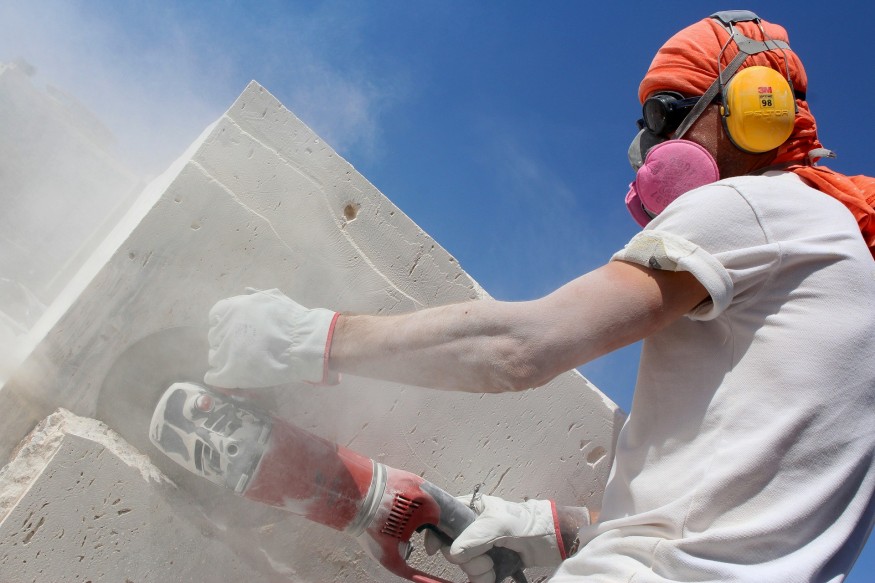
Engineered stone countertops have become popular in residential kitchens because they offer a wide range of colors, patterns, and finishes. However, the material is facing renewed scrutiny in California, where regulators are considering stricter restrictions on products containing high levels of crystalline silica.
The proposed action focuses on occupational health risks associated with manufacturing and fabricating engineered stone. Cutting, grinding, and polishing slabs can release fine silica dust, creating a serious respiratory hazard when appropriate controls fail to prevent exposure.
California's regulatory process has focused on restricting the fabrication and manufacture of certain engineered stone products containing more than 1% crystalline silica. The proposal should not be confused with an enacted statewide ban on every engineered stone countertop.
For updates, consult California's official engineered stone rulemaking information.
Why Engineered Stone Is Under Scrutiny
Engineered stone, sometimes marketed as quartz surfacing, is manufactured by combining mineral materials with binding agents to create slabs for countertops and other interior applications. Many traditional formulations contain substantial quantities of crystalline silica, a naturally occurring mineral also found in quartz.
The finished countertop is not the same exposure hazard as the dust created during fabrication. The central concern is what happens when workers cut, drill, grind, or polish the material, potentially releasing respirable particles into the air.
Crystalline silica dust can cause silicosis, a serious and incurable lung disease that develops after inhaling respirable silica particles. The disease can cause permanent lung damage and, in severe cases, death.
California has documented silicosis cases among workers in the engineered stone industry. State officials have cited these cases as evidence that existing workplace protections may not adequately control the risks associated with certain artificial stone products.
The issue is therefore primarily about occupational health rather than the appearance of countertops or their everyday use in homes.
What California Is Proposing
California's Occupational Safety and Health Standards Board has pursued a regulatory process addressing engineered stone with high crystalline silica content. The proposed restrictions focus on fabrication and manufacturing activities involving products exceeding a 1% silica threshold.
The distinction matters. A draft regulation does not automatically establish a prohibition on every quartz countertop, every natural stone surface, or every existing kitchen installation.
The final requirements depend on the regulatory process, including decisions about the scope of the restrictions, implementation, and their effects on businesses and workers.
Homeowners planning renovations should therefore avoid interpreting headlines about a potential ban as an instruction to remove existing countertops. A proposed restriction on fabrication is not, by itself, a requirement to replace an installed surface.
The Health Risks Behind the Restrictions
Silicosis develops when workers inhale fine crystalline silica particles that damage lung tissue over time. The condition is irreversible and can interfere with breathing and other essential bodily functions.
Countertop fabrication can involve several activities that produce silica dust, including cutting slabs to size, creating sink openings, shaping edges, and polishing surfaces. Without effective dust controls and suitable workplace protections, these processes can expose workers to hazardous concentrations.
The risks are especially concerning in workplaces where cutting and finishing occur repeatedly throughout the day. Exposure prevention must therefore be an ongoing part of fabrication operations.
California regulators have argued that existing safeguards have not sufficiently addressed the problem in the engineered stone industry. Restricting high-silica products would aim to reduce exposure by limiting the use of materials associated with these hazards.
The proposal also reflects a broader occupational safety principle: eliminating or substituting a hazardous material can provide a more reliable form of protection than relying entirely on workers to manage exposure during every task.
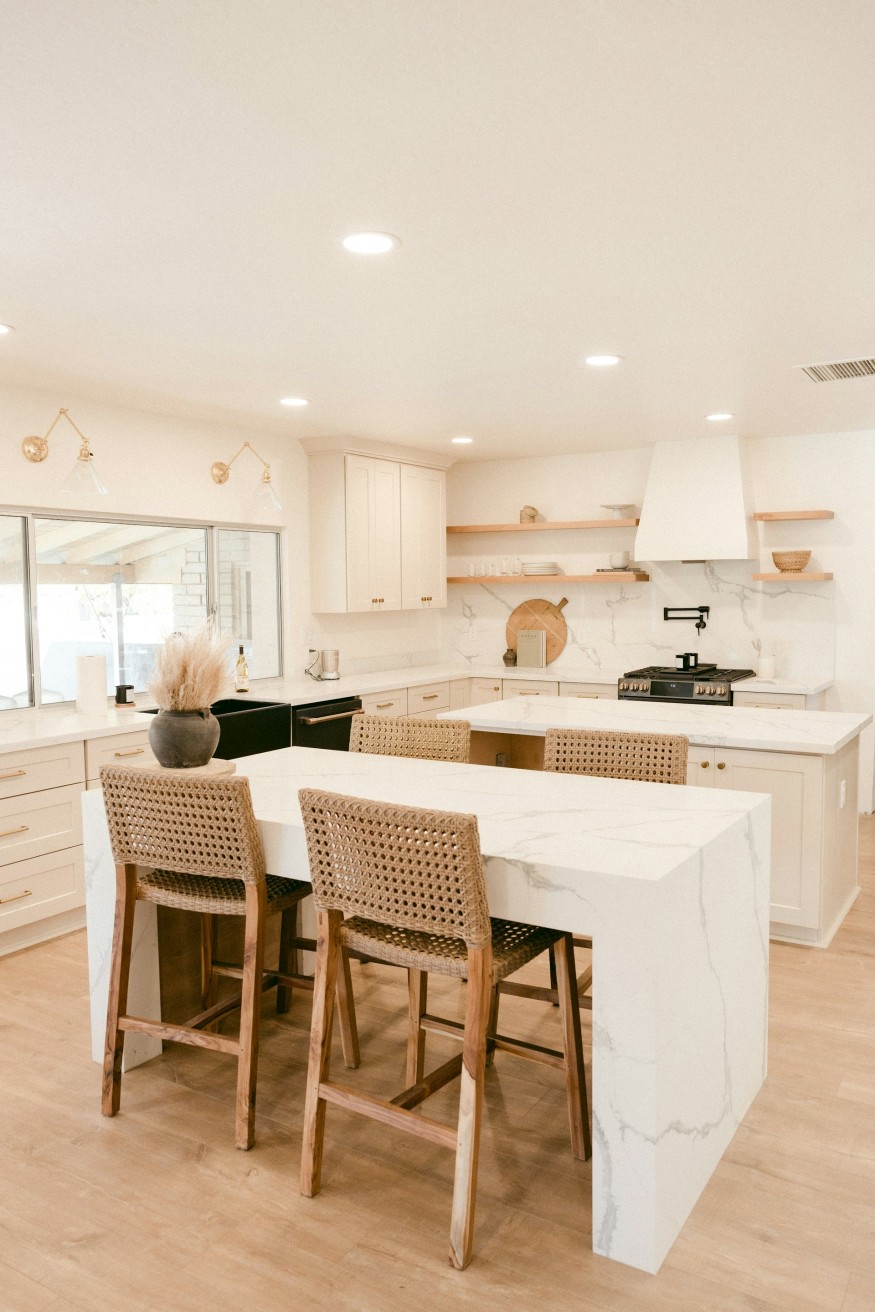
How the Proposal Could Affect Kitchen Renovations
Engineered stone is widely used because it offers consistent patterns, varied colors, and surfaces suited to everyday kitchen use. Restrictions on high-silica products could influence material selection and fabrication practices in California.
Homeowners may encounter changes in product availability, supplier offerings, or fabricator recommendations. Businesses may also need to reassess inventories and determine whether their materials meet any final requirements.
The practical impact will depend on the regulation's final scope and timing. It would be premature to assume that every engineered stone product will become unavailable or that all existing countertops will need to be replaced.
For projects already underway, designers and contractors can reduce uncertainty by confirming material specifications, consulting qualified fabricators, and checking current regulatory guidance before ordering slabs.
Alternative Countertop Materials to Consider
A potential restriction on high-silica engineered stone may encourage homeowners to compare other countertop materials. Each option has distinct maintenance requirements, appearances, and installation considerations.
- Porcelain slabs: Manufactured surfaces available in patterns inspired by natural stone. Product specifications and fabrication requirements should still be checked.
- Natural granite: A durable natural stone available in varied colors and patterns. Its composition differs from engineered stone, but fabrication can still produce silica-containing dust.
- Marble: A natural stone known for distinctive veining. It can etch and stain more readily than some alternatives, so maintenance expectations matter.
- Solid surface: A manufactured material that can provide a seamless appearance and integrated sink options. Composition and performance vary by product.
- Other engineered surfaces: Products with different mineral compositions may offer additional choices, but buyers should verify actual silica content rather than relying on a general category name.
These alternatives should not be considered automatically risk-free. Fabrication methods, material composition, and workplace controls remain important, particularly for natural stones that contain crystalline silica.
Homeowners should also compare heat resistance, durability, repairability, cost, and maintenance when selecting a replacement material.
What Homeowners and Designers Should Watch Next
The status of California's rulemaking process is the key issue. A draft regulation indicates a proposed course of action, but the final requirements and effective dates must be confirmed through official updates.
Fabricators may need to review product inventories, sourcing arrangements, and the processes used to manufacture countertops. Designers may need to broaden their specifications to accommodate materials that satisfy applicable requirements.
Homeowners purchasing new countertops in California should ask suppliers about material composition, request product documentation, and confirm that fabrication complies with current rules.
California's Department of Industrial Relations provides additional information on silica safety and the regulatory action.
Why Countertop Safety Is Becoming a Design Priority
The debate over engineered stone illustrates how health and safety considerations can reshape residential design. A material may offer visual consistency and practical benefits in the home while presenting serious hazards during manufacturing or installation.
California's proposed restrictions are intended to address risks associated with high-silica engineered stone. Whether the final rules change the availability of particular countertop materials will depend on the regulation ultimately adopted.
For homeowners, the issue reinforces the importance of looking beyond appearance when selecting finishes. Product composition, fabrication practices, maintenance requirements, and regulatory compliance all contribute to an informed renovation decision.
As the process continues, engineered stone remains a material to watch for anyone planning a kitchen project in California. The essential distinction is that tighter controls are being considered for high-silica fabrication, while the final requirements and their practical effects must be confirmed through official regulatory updates.


These 5 Common Household Items Could Be Making Your Home Feel Cluttered

Dry Creek Bed Landscaping Ideas That Make Backyard Drainage Look Beautiful

Kitchen Backsplash Design: 7 Things to Consider Before You Choose

5 Expert-Backed Ways to Create a Calmer, Cozier Home This Winter

How Smart Architectural Design Helps Buildings Handle Heavy Rain


