How to Host and Style a Party That Feels Warm, Welcoming, and Effortlessly Stylish
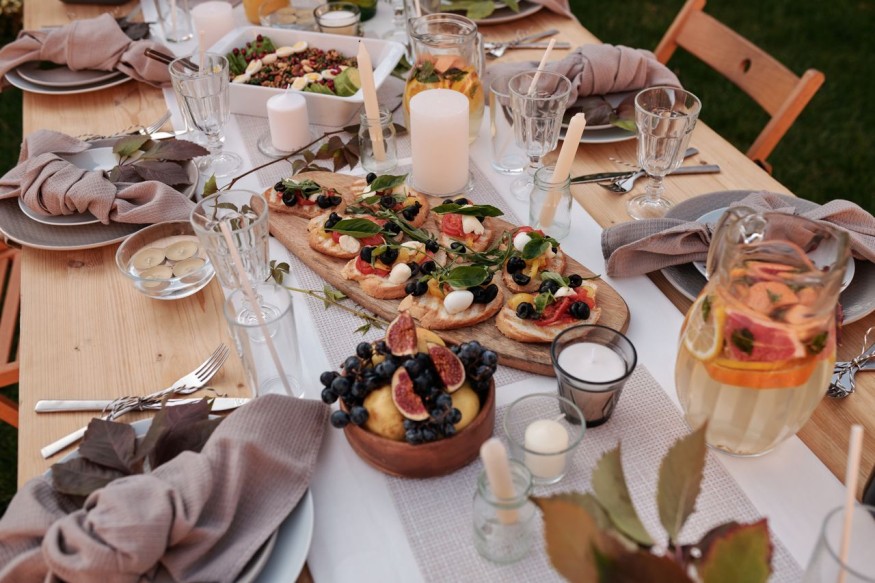
A memorable party is not necessarily the one with the most elaborate decorations or expensive menu. Often, it is the gathering where guests can settle into a comfortable seat, find a drink without asking, and move naturally between conversations.
Creating that atmosphere requires thoughtful planning, practical furniture arrangements, and personal details that make a home feel inviting. Whether hosting a birthday celebration, an afternoon gathering, or an intimate dinner party, the goal is to balance visual appeal with everyday comfort.
Arrange the Space Around Conversation
Before choosing decorations, consider how guests will move through the home. A beautiful room can become uncomfortable when furniture blocks pathways or seating arrangements make conversation difficult.
Living room furniture can be arranged in smaller conversational groupings. Sofas and armchairs should face one another where possible, while occasional chairs can be angled toward the main seating area.
In smaller homes, ottomans, compact stools, and dining chairs provide flexible seating without permanently crowding the room. Keep pathways clear between the entrance, seating areas, dining space, and refreshments.
The entrance also deserves attention. A console table, wall hooks, or a small bench can provide a convenient place for coats, bags, and shoes, preventing clutter from accumulating when guests arrive.
Create Atmosphere With Layered Lighting
Lighting can change the mood of a gathering as significantly as furniture or accessories. Bright overhead fixtures may be useful while preparing food, but leaving them at full intensity throughout an evening can make a room feel overly formal.
Table lamps and floor lamps create softer pools of light, while wall sconces can emphasize artwork and architectural features. Dimmable fixtures allow the atmosphere to shift from early-evening drinks to dinner and conversation.
Warm-white bulbs often work well in relaxed entertaining spaces, complementing wood furniture, woven materials, and warm-toned fabrics. The best lighting temperature still depends on the room's finishes and the desired atmosphere.
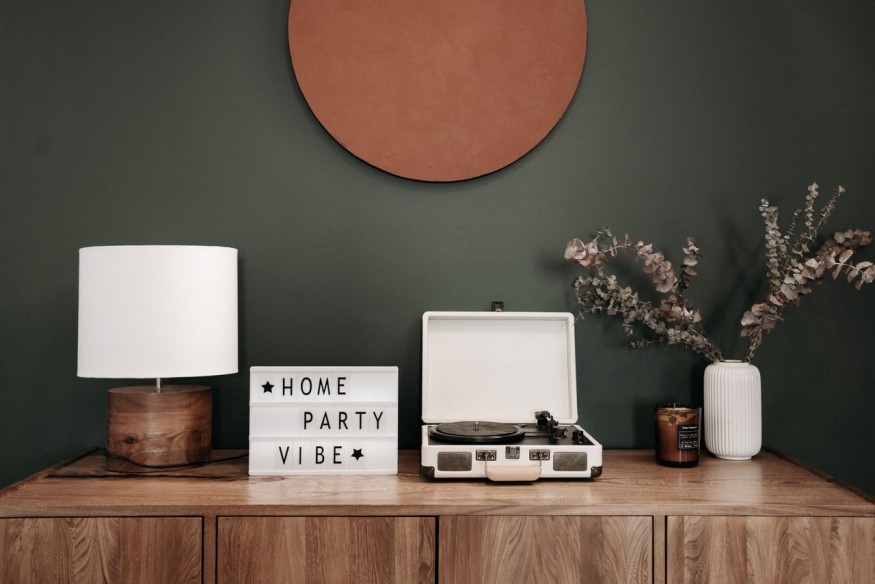
Candles can add warmth to dining tables and sideboards. Flameless alternatives are useful around children, pets, or crowded surfaces. The aim is to distribute light throughout the room instead of relying on a single central fixture.
Style a Table That Guests Can Actually Use
A party table should look considered without becoming difficult to use. Oversized centerpieces and excessive accessories can interfere with conversation or leave little room for serving dishes.
A simple tablecloth or runner establishes the palette. Napkins, glassware, and a few small arrangements can add visual interest without overwhelming the surface.
Flowers work particularly well in low vessels that allow guests to see one another across the table. Seasonal foliage and branches can also introduce texture without requiring elaborate arrangements.
Combining materials such as ceramic plates, linen napkins, wooden serving boards, and glass vessels creates a layered appearance while maintaining a cohesive style.
Practicality should guide the final arrangement. Serving dishes need space, drinks should have designated areas, and additional food can be placed on a nearby sideboard if the dining table is small.
Make Food and Drinks Easy to Find
Guests feel more comfortable when they can help themselves to refreshments without interrupting the host. A self-service beverage station can reduce congestion in the kitchen and encourage people to move naturally through the space.
A console, kitchen island, or sideboard can hold glasses, napkins, water, and other drinks. Nonalcoholic choices should be just as accessible as alcoholic options when both are offered.
Choose food according to the format of the gathering. Finger foods and small bites suit parties where guests will stand or move between rooms, while seated dinners benefit from dishes that can be prepared largely in advance.
Dietary requirements should be considered before the event. Asking about allergies and restrictions when inviting guests makes it easier to provide suitable options.
Serving utensils, waste containers, and places to put used plates also help the gathering run smoothly. These small arrangements allow the host to spend less time managing the kitchen and more time with guests.
Personalize the Space With Thoughtful Details
A welcoming party should reflect the people who live in the home. Artwork, collected ceramics, books, and meaningful objects can provide personality without requiring an elaborate theme.
Fresh flowers, seasonal branches, and textiles can refresh the space without replacing existing furniture. Music can establish the mood, especially when guests first arrive, but the volume should remain low enough for comfortable conversation.
Scent should be approached carefully. Strong candles, room sprays, and diffusers may be unpleasant for guests sensitive to fragrances. A clean, well-ventilated room is often sufficient.
Practical comforts matter just as much as decoration. Bathrooms should be clean and stocked with soap and towels, while pathways should remain clear. Guests should be able to locate seating, refreshments, and essential facilities without feeling uncertain about where to go.
Five Simple Ways to Make Guests Feel Welcome
Small adjustments can improve the hosting experience without requiring a complete makeover.
- Prepare an arrival area: Provide a convenient place for coats, bags, and shoes.
- Offer flexible seating: Combine sofas, chairs, stools, and ottomans to accommodate different group sizes.
- Keep refreshments accessible: Arrange drinks, glasses, and napkins together.
- Use layered lighting: Combine lamps and dimmable fixtures to create a comfortable atmosphere.
- Maintain clear pathways: Keep routes between the entrance, seating, dining area, and refreshments unobstructed.
These changes work in apartments and larger homes alike. Their value comes from reducing small inconveniences that can otherwise make guests feel unsure about where to sit or how to move through the space.
Balance Preparation With a Relaxed Hosting Style
A gathering can feel uncomfortable when every detail appears too precious to touch. Guests should feel free to sit down, pick up a serving dish, and participate without worrying about disturbing the arrangement.
Durable materials, accessible refreshments, and uncomplicated decorations help establish this relaxed atmosphere. A table setting can be attractive without requiring constant maintenance, and a living room can look polished without resembling a showroom.
Prepare food and organize the room before guests arrive. A short checklist covering seating, lighting, refreshments, bathrooms, and music can help prevent last-minute stress.
The remaining time can then be spent welcoming guests rather than rearranging decorations.
A Welcoming Party Begins With How the Home Feels
Successful hosting is less about achieving a flawless interior than creating an environment where people feel comfortable spending time together. A thoughtful layout, warm lighting, accessible food, and personal details can transform an ordinary room into an inviting setting.
Instead of buying new decorations for every occasion, homeowners can focus on flexible furniture, useful surfaces, and a few distinctive accents that suit their everyday surroundings.
When a space supports conversation and comfort, guests are more likely to relax, stay longer, and enjoy the gathering. That is ultimately what makes a party feel like home.
Frequently Asked Questions
1. How can a home be made party-ready on a budget?
Rearrange existing furniture, use table linens you already own, add simple flowers or greenery, and improve the lighting with lamps. Clear surfaces and comfortable seating often make a bigger difference than buying new decorations.
2. What lighting works best for a dinner party?
Layered lighting is usually effective. Combine ambient lighting with table lamps, dimmable fixtures, or carefully placed candles to create a comfortable atmosphere without making the room too dark.
3. How can guests be encouraged to mingle?
Arrange seating in small conversational groups, provide accessible refreshments, and leave clear pathways between spaces. Music at a comfortable volume can also help create a relaxed atmosphere.
4. How far in advance should a host prepare?
The room layout, decorations, and serving arrangements can be prepared the day before. Food preparation depends on the menu, but completing as much as possible before guests arrive helps the host enjoy the event.


These 5 Common Household Items Could Be Making Your Home Feel Cluttered

Dry Creek Bed Landscaping Ideas That Make Backyard Drainage Look Beautiful

Kitchen Backsplash Design: 7 Things to Consider Before You Choose

5 Expert-Backed Ways to Create a Calmer, Cozier Home This Winter

How Smart Architectural Design Helps Buildings Handle Heavy Rain


