Living Room Organization Ideas: How to Clear Visual Clutter and Create a Calmer Home
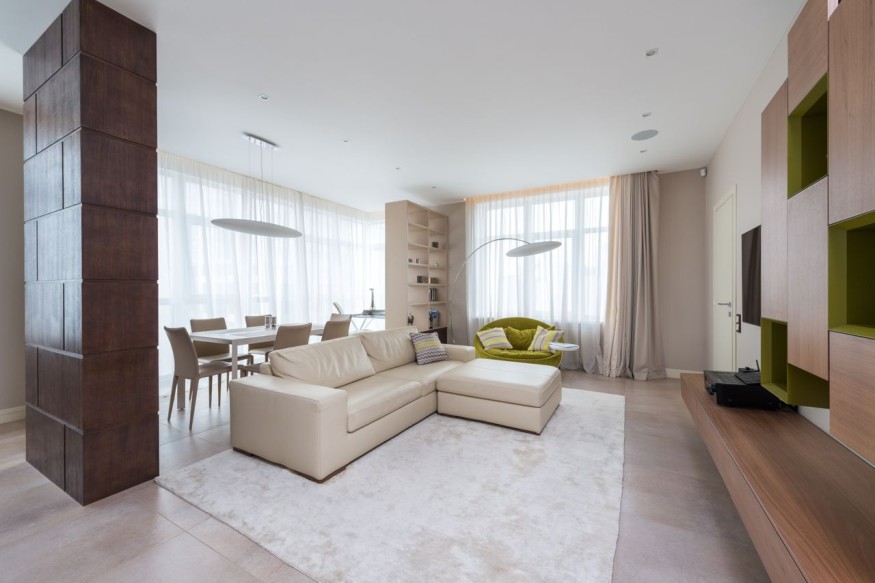
A living room can be spotless and still feel messy. The culprit is often visual clutter, which happens when too many objects, colors, patterns, furniture pieces, or exposed everyday essentials compete for attention. Even useful belongings can contribute to a crowded appearance when they lack a designated place.
Effective living room decluttering is not about creating an empty room or removing everything that makes the space personal. Instead, it involves editing what is visible, improving storage, and arranging furniture and decor with greater intention. With a few thoughtful changes, a living room can feel calmer, more spacious, and easier to maintain.
What Makes a Living Room Look Cluttered?
Visual clutter can come from several sources. Crowded coffee tables, overflowing bookshelves, tangled cords, too many throw pillows, and furniture that leaves little breathing room can all make a space feel disorganized.
Color and pattern can also play a role. When every surface features a different finish or decorative object, the eye has no clear place to rest. This is particularly noticeable in smaller rooms, where even a few unnecessary pieces can make the space feel cramped.
The goal of living room decluttering is therefore not simply to remove possessions. It is to determine which items deserve attention and which can be stored, relocated, donated, or discarded.
How to Declutter a Living Room Step by Step
The most effective approach starts with the items that are easiest to evaluate. Rather than emptying the entire room at once, each area can be considered individually.
Start with exposed surfaces such as the coffee table, side tables, media console, and shelves. Everyday objects should have a logical home, while decorative pieces should earn their place.
Furniture deserves the same scrutiny. A chair that is rarely used, an oversized coffee table, or an unnecessary side table can interfere with movement and make the room appear busier than it needs to be.
When learning how to declutter a living room, it can help to ask whether each item is useful, meaningful, or visually supportive of the room. If it serves none of these purposes, it may be worth reconsidering.
Living Room Organization Ideas That Reduce Visual Clutter
Good living room organization makes it easier to maintain a tidy appearance after the initial decluttering session. Storage should be convenient enough that household members will actually use it.
Closed cabinets are useful for electronics, games, paperwork, and other items that need to remain accessible without staying on display. Storage ottomans can conceal blankets or small everyday belongings, while baskets can contain toys, books, and textiles.
Open shelving requires more editing because everything remains visible. Instead of filling every available space, decorative objects can be grouped by color, material, or purpose with empty space between collections.
Another useful strategy is to manage cords. Television cables, chargers, and lamp wires can quickly become distracting when left exposed. Cord covers, clips, and organized charging stations can make a noticeable difference without requiring major changes to the room.
How Can a Living Room Look Less Cluttered Without Feeling Empty?
A clutter-free living room does not need to look stark or overly minimal. Personality can remain through artwork, books, plants, textiles, and meaningful accessories.
The difference comes from editing. Rather than displaying every decorative item at once, a smaller selection can create stronger visual impact. A favorite collection can also be rotated throughout the year, giving the room a refreshed appearance without adding more possessions.
Furniture placement matters, too. Clear walking paths help create a sense of openness, while appropriately scaled furniture prevents the room from feeling overcrowded. In a smaller space, multifunctional pieces can provide comfort and storage without requiring additional furniture.
How to Create a More Streamlined Living Room
Color can be another useful tool for reducing visual clutter. A cohesive palette does not mean every item needs to match, but repeating a few colors throughout the room can create greater visual continuity.
Decorative repetition can work in the same way. Similar wood tones, metal finishes, fabrics, or shapes can make a collection of different objects feel intentional rather than random.
Lighting should also be considered. Too many lamps, exposed cords, and mismatched fixtures can add another layer of distraction. A combination of ambient, task, and accent lighting can provide function while keeping the overall arrangement controlled.
For those drawn to a minimalist living room, the same principles apply. Minimalism is less about having as few belongings as possible and more about ensuring that the objects that remain have a clear purpose or aesthetic role.
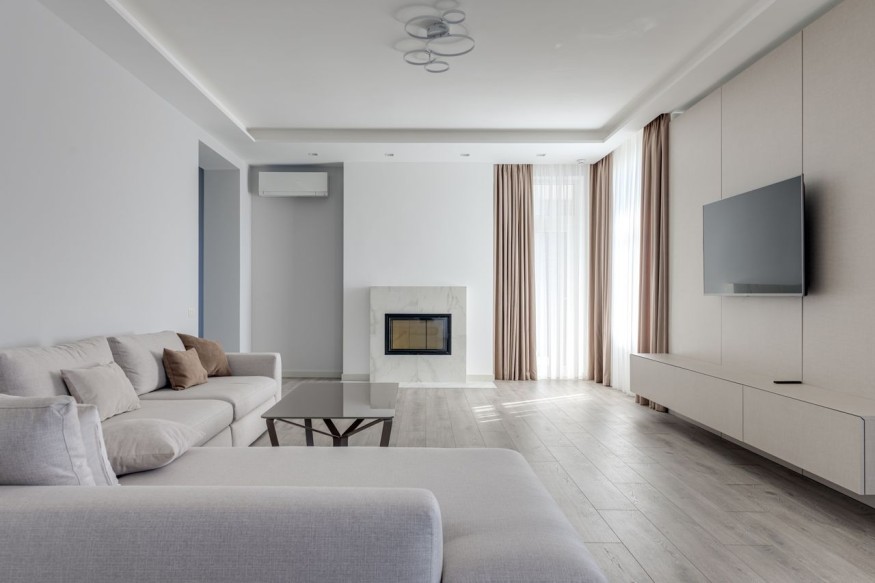
What Should Be Removed During Living Room Decluttering?
A useful editing session should focus on objects that create unnecessary visual or physical congestion. This may include duplicate accessories, unused electronics, outdated magazines, broken items, furniture that blocks movement, or decor that no longer suits the room.
Items that belong elsewhere should also be returned to their proper rooms. A living room can quickly become a drop zone for mail, bags, shoes, toys, and miscellaneous belongings when there is no alternative storage nearby.
The process becomes easier when decluttering is treated as an ongoing household habit rather than a single major project. Small resets can prevent clutter from accumulating again.
How to Maintain a Clutter-Free Home
Once the room has been edited, maintaining it becomes the next priority. Everyday belongings should be returned to their designated storage locations, and decorative surfaces should be cleared regularly.
A simple evening reset can help restore order. Cushions can be arranged, blankets folded, cups returned to the kitchen, and stray objects put away before the day ends.
For a clutter-free home, storage should match the way the household actually lives. If frequently used items are difficult to reach, they are likely to end up on tables or floors instead. Convenient organization is therefore just as important as attractive storage.
A Calmer Living Room Starts With Intentional Choices
Creating a streamlined living room does not require sacrificing comfort or personality. Thoughtful living room organization ideas, edited decor, practical storage, and better furniture placement can reduce visual distractions while preserving the character of the space.
The most successful living room decluttering approach is one that makes daily life easier. When every essential item has a place and the room contains enough breathing space, the result is a living area that feels orderly, comfortable, and intentionally designed.
Frequently Asked Questions
1. How do you declutter a living room quickly?
Start with visible surfaces, remove items that belong elsewhere, edit decorative accessories, and organize everyday belongings into designated storage.
2. What causes visual clutter in a living room?
Crowded surfaces, excessive furniture, exposed cords, too many accessories, competing patterns, and poorly organized open shelving are common sources.
3. Does a minimalist living room have to be completely empty?
No. A minimalist living room can still include artwork, books, textiles, plants, and personal objects. The focus is on intentional selection rather than eliminating personality.
4. How can a living room stay clutter-free?
Designated storage, regular surface resets, thoughtful furniture choices, and occasional decluttering can help maintain a clutter-free living room over time.


Minwax's 2027 Color of the Year Is Pickled Oak, a Fresh Take on Natural Wood

Small-Space Design: Why the 'Boneless' Sofa Is Worth Considering

How to Bring Autumn Into Every Room With These 12 Cozy Decorating Ideas

Dinettes Are the Small-Kitchen Seating Solution That Makes Every Inch Count

Move Over Beige: Farrow & Ball Says Purple Is About to Take Over Home Design


