Designers Reveal the Old-School Decorating Trends Gen Z Is Moving Away From
Interior design has always reflected the preferences and lifestyles of different generations. While previous generations often prioritized coordinated furnishings, neutral color palettes, and predictable decorating formulas, younger homeowners are increasingly interested in interiors that feel more individual.
Gen Z, in particular, is helping reshape contemporary home design by embracing color, vintage furniture, layered lighting, and unconventional combinations. Rather than treating a home as a perfectly coordinated showroom, many younger homeowners prefer spaces that communicate personality and evolve over time.
Interior designers are also noticing a shift away from certain decorating approaches that once dominated residential interiors. According to professionals interviewed by Good Housekeeping, Gen Z is embracing more expressive rooms while moving away from several familiar design conventions.
These changes do not necessarily mean every traditional feature is outdated. Instead, they reflect a growing interest in flexibility, individuality, and more intentional decorating.
Here are five old-school design trends Gen Z is leaving behind.
1. Ceiling-Only Lighting
For years, a central ceiling fixture was often treated as the primary source of illumination in residential spaces. While overhead lighting remains useful, relying on one bright fixture can make a room feel flat or overly harsh.
Gen Z is increasingly embracing layered lighting, which combines several light sources to create different moods and functional zones.
Table lamps, floor lamps, wall sconces, and decorative accent lighting allow homeowners to adjust the atmosphere depending on the activity. A living room, for example, can have brighter illumination for cleaning or entertaining and softer lighting for relaxing in the evening.
Interior designer Suzanne Schultze, quoted in Good Housekeeping's discussion of Gen Z design preferences, recommends treating ceiling lighting primarily as a task-oriented feature rather than the only source of illumination.
This approach also makes decorative lighting an important part of the room's visual composition. Sculptural lamps and interesting wall fixtures can function as design features even when they are switched off.
2. All-Neutral Color Palettes
The popularity of minimalist interiors helped establish gray, beige, white, and muted earth tones as dependable decorating choices. These colors remain versatile, but Gen Z is showing greater interest in spaces with more expressive palettes.
Bold greens, saturated blues, warm reds, and playful combinations of contrasting shades are increasingly appearing in contemporary interiors.
Rather than choosing furniture based exclusively on whether it matches an existing neutral scheme, younger homeowners are more willing to build a room around a statement piece.
A colorful sofa, for example, can become the starting point for selecting rugs, artwork, cushions, and decorative accessories. The surrounding furnishings can remain relatively understated, allowing the statement piece to stand out without overwhelming the room.
This shift does not mean neutral interiors are disappearing. Instead, color is becoming a more intentional part of the decorating process.
3. Buying Only Brand-New Furniture
The convenience of purchasing an entire room from one furniture retailer has traditionally appealed to homeowners looking for an uncomplicated decorating solution. However, Gen Z is increasingly interested in secondhand furniture, antiques, and vintage accessories.
Thrift stores, estate sales, online resale platforms, and antique markets provide opportunities to discover pieces with distinctive shapes, materials, and histories.
According to Molly Torres Portnof of DATE Interiors, as quoted by Good Housekeeping, younger homeowners are showing renewed enthusiasm for vintage and antique finds.
This approach also allows a room to feel more collected rather than assembled entirely from contemporary retail products.
A vintage wooden dresser can sit alongside a modern upholstered bed, while an antique mirror can introduce character into an otherwise minimalist hallway.
The key is finding a balance between old and new. Too many unrelated pieces can make a room feel disorganized, but combining furniture from different periods can create a more layered and personal result.
4. Completely Open Floor Plans
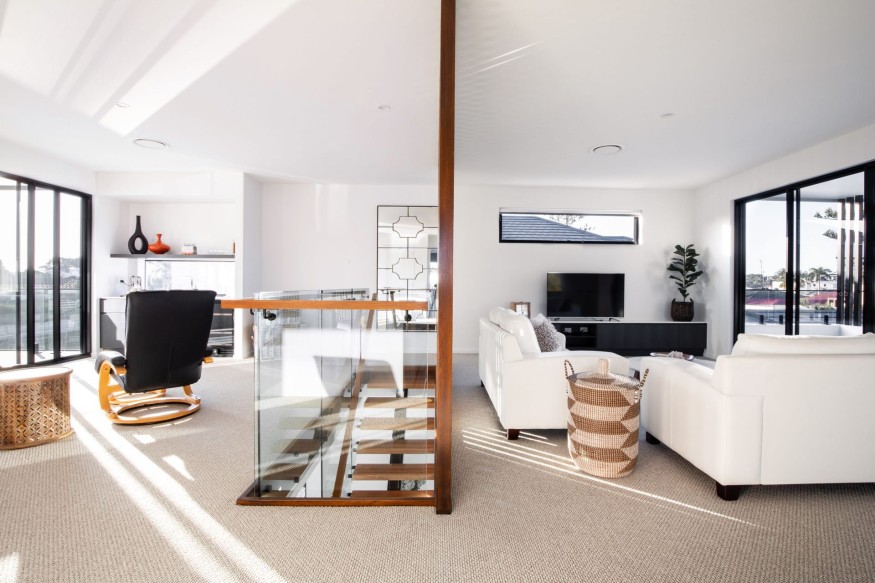
Open-concept living spaces became a defining feature of contemporary residential design because they allow kitchens, dining rooms, and living areas to connect without traditional dividing walls.
Although this arrangement remains popular, Gen Z is showing more interest in layouts that provide a degree of separation.
The broken-plan concept offers an alternative by maintaining visual connections while introducing distinct zones through partial partitions, shelving, architectural details, and changes in flooring or furniture placement.
Interior designer Jeanne Hayes of Camden Grace Interiors has described a shift away from completely open layouts and the farmhouse aesthetic, including the widespread use of barn doors.
This approach reflects the way many households now use their homes. Remote working, entertainment, studying, and everyday family activities can create a need for spaces with different levels of privacy.
5. Perfectly Matching Furniture Sets
Matching furniture sets were once considered a straightforward way to create a cohesive bedroom or living room. Buying a bed, dresser, nightstands, or sofa from the same collection ensured that the finishes and proportions worked together.
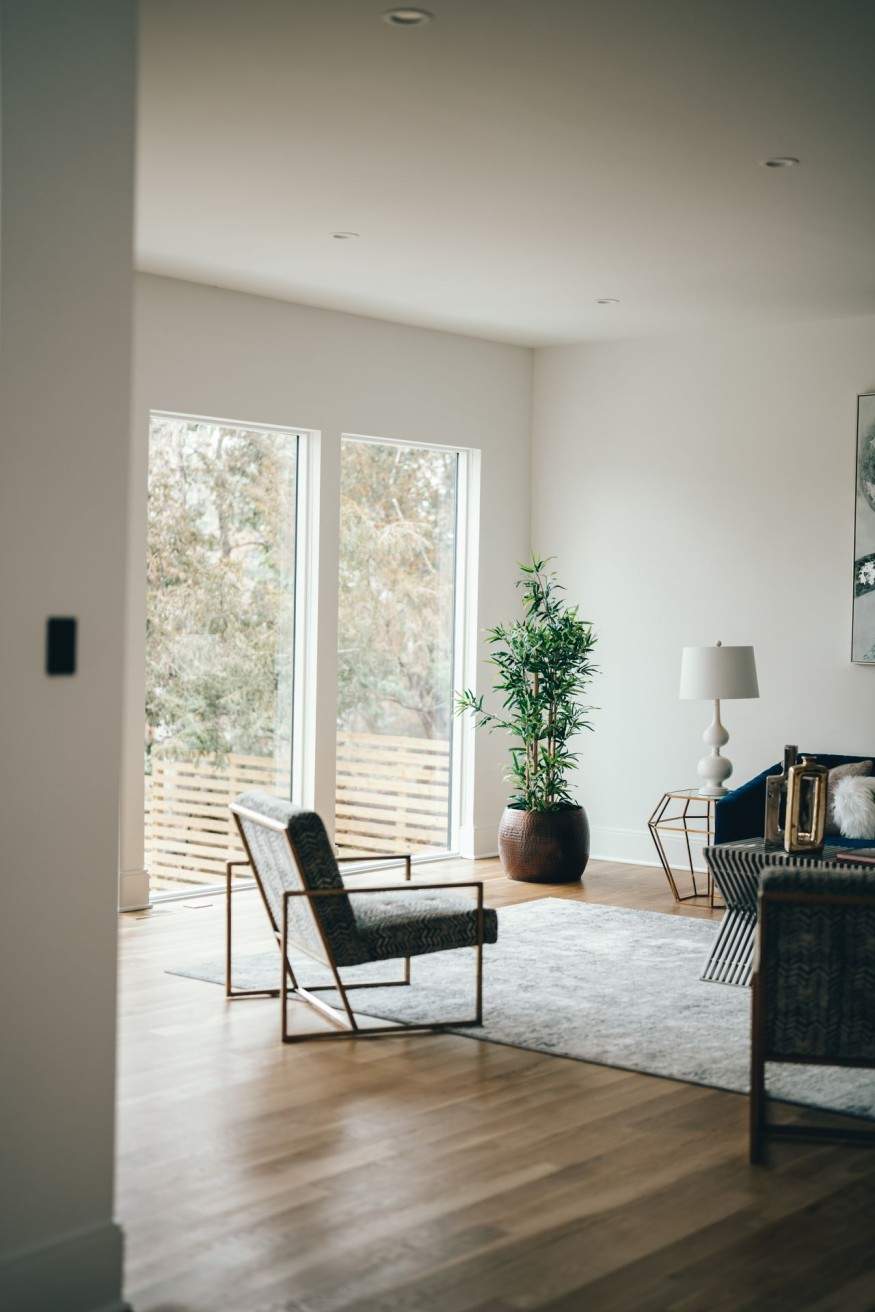
However, younger homeowners are increasingly comfortable combining pieces that differ in style, color, material, and age.
A modern sofa can be paired with a vintage coffee table, while mismatched nightstands can bring additional character to a bedroom. The resulting interior feels less predictable and more reflective of individual taste.
Danielle Domingues of Collins & Co. Interiors has noted that younger clients are becoming more comfortable choosing furniture they love rather than worrying about whether every piece belongs to the same collection.
Designers still recommend maintaining a sense of visual consistency. Repeating a particular wood tone, color, texture, or material can help connect different furnishings without requiring them to match exactly.
Why Gen Z Is Embracing More Personal Interiors
The shift in decorating preferences reflects a broader change in how younger generations approach their homes.
Instead of prioritizing a perfectly coordinated appearance, many are interested in interiors that accommodate changing lifestyles and express personal interests. Vintage discoveries, meaningful artwork, colorful furnishings, and flexible layouts all contribute to this approach.
Social media has also made design inspiration more accessible, exposing younger homeowners to a wider range of architectural periods, decorating styles, and creative combinations.
However, the most important takeaway is that good interior design does not need to follow a strict generational formula.
Ultimately, the move away from old-school decorating rules is less about rejecting everything traditional and more about making room for individuality. A thoughtfully designed home can combine vintage and contemporary furniture, neutral foundations and bold colors, or open spaces and private corners.
The result is an interior that feels considered without appearing overly controlled.
Frequently Asked Questions
1. What interior design trends is Gen Z moving away from?
Gen Z is increasingly moving away from ceiling-only lighting, all-neutral palettes, exclusively new furniture, completely open floor plans, and perfectly matching furniture sets.
2. What interior design styles are popular with Gen Z?
Gen Z is embracing eclectic interiors, vintage furniture, colorful decorating schemes, layered lighting, and combinations of modern and traditional furnishings.
3. Is the open floor plan going out of style?
Not entirely. Open floor plans remain popular, but broken-plan layouts are gaining attention because they provide more privacy and functional separation while maintaining visual connections.


IKEA Reveals Its 2027 Color of the Year, and It's a Bold New Direction for Interiors

Bella Hadid Buys $5.5 Million Colorado Mountain Home in Crested Butte

Brussels Furniture Fair 2026 Showcases New Collections and European Design

Lady Gaga's Former NYC Penthouse in the Historic Hit Factory Lists for $6.995 Million

Move Over, Bows: Tassels Are Bringing Texture and Luxury to Christmas Decor in 2026


