Modern Kids’ Rooms Are Changing: The Kids’ Bedroom Ideas Designers Want Now
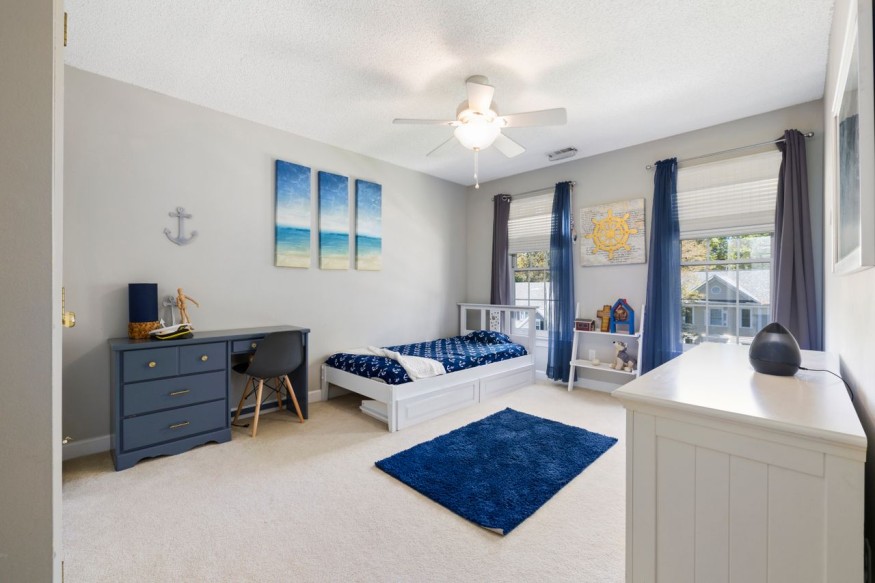
Kids' spaces are changing. Instead of decorating a bedroom around a single theme or age, designers are creating rooms that can adapt as children grow, reflect individual personalities, and function as an important part of the wider home.
Today's kids' room design is less about creating a picture-perfect space and more about making a room work for real family life. Flexible furniture, thoughtful storage, gender-neutral palettes, comfortable gathering areas, and spaces for study and relaxation are becoming increasingly important.
At the same time, some familiar decorating choices are losing their appeal. Highly themed bedrooms, overly juvenile furniture, and rigid gender-specific color schemes can quickly become outdated as children's interests change.
For families considering a bedroom refresh or planning a new home, these are the design directions worth knowing.
What's In and Out in Kids' Room Design
In: Rooms That Grow With the Child
One of the biggest shifts in kids' interior design is the move toward spaces that can evolve. Rather than replacing an entire bedroom every few years, designers are choosing foundational pieces that can work through different stages of childhood.
A simple bed, well-designed storage, a sturdy desk, and flexible lighting can remain useful as a child moves from elementary school into the teen years. Smaller decorative elements, bedding, artwork, and accessories can change more easily when interests evolve.
This approach also makes kids' bedroom ideas more practical for families who want to create beautiful spaces without constantly starting over.
In: Gender-Neutral Kids' Rooms
Gender-neutral kids' rooms are moving beyond the idea that neutral means plain. Designers are incorporating warm woods, greens, blues, yellows, terracotta, soft pastels, patterns, and playful artwork to create spaces that feel personal without relying on traditional gender stereotypes.
The emphasis is increasingly placed on the child's interests rather than a predetermined color scheme. A room can feature dinosaurs, books, sports, music, animals, art, or nature-inspired details without being designed around whether it is intended for a boy or girl.
In: Dedicated Spaces for Tweens and Teens
As children get older, the bedroom often becomes more than a place to sleep. It can serve as a study area, creative space, entertainment zone, and place to spend time with friends.
That has made teen lounge ideas increasingly relevant to contemporary family home design. Where space allows, designers are incorporating comfortable chairs, sofas, gaming areas, media setups, tables for homework, and informal spaces for friends to gather.
The goal is to give older children a greater sense of independence while keeping their spaces connected to the household.
In: Multifunctional Modern Kids' Rooms
The best modern kids' rooms often perform several functions without feeling overcrowded. A bedroom might include a sleeping zone, homework station, reading nook, play area, and organized storage within the same footprint.
Furniture placement can help define these different activities. A desk near a window can create a dedicated study area, while a low bookshelf and floor cushions can establish a reading corner.
This type of planning is particularly useful in smaller homes, where every square foot needs to work harder.
In: Personality-Filled Spaces
Designers are also moving away from rooms that look as though they were styled exclusively for photographs. Children's bedrooms can feel polished while still showing evidence of the person who lives there.
Artwork, collections, favorite books, photographs, handmade objects, and treasured toys can all become part of the room. This makes kids' room design feel more authentic and allows children to participate in decisions about their environment.
Out: Overly Themed Bedrooms
A room completely dedicated to one character, sport, or fictional world may appeal to a young child, but that interest can change quickly.
Instead, designers are incorporating favorite themes in easily replaceable ways. Bedding, artwork, cushions, posters, or small accessories can provide personality without making the entire room dependent on one idea.
This creates more adaptable kids' bedroom ideas that can change without requiring a complete redesign.
Out: Strictly Gendered Design
Traditional pink-for-girls and blue-for-boys decorating schemes are no longer the default. Modern kids' interior design increasingly focuses on individuality and flexibility.
That does not mean eliminating traditionally feminine or masculine colors. It simply means giving children more freedom to explore different palettes, patterns, and styles without design decisions being dictated by gender.
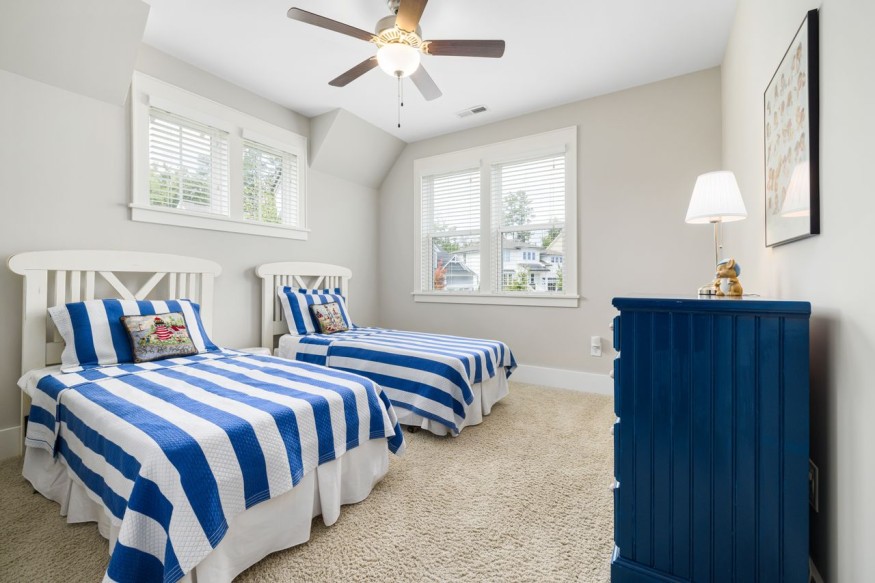
Out: Furniture Designed for Only One Age
Furniture that becomes impractical after a few years can be a poor investment, particularly when a room has limited space.
Designers are instead favoring durable pieces with long-term functionality. Adjustable desks, generous storage, full-size beds, adaptable shelving, and versatile seating can support children through multiple stages.
This philosophy fits naturally into modern family living, where flexibility and longevity are becoming more important considerations.
Out: Design That Ignores Storage
A beautiful bedroom can quickly become difficult to use when toys, school supplies, clothing, and books have nowhere to go.
Storage is now being considered as part of the overall architecture of the room. Built-in cabinets, under-bed drawers, baskets, wall-mounted shelving, and accessible storage can make it easier for children to keep their belongings organized.
The strongest family home design approaches treat storage as an essential design feature rather than an afterthought.
Out: Spaces Designed Only for Adults
Children spend considerable time in their bedrooms and shared areas of the home, so their needs deserve consideration during the design process.
That might mean choosing durable fabrics, creating accessible storage, providing comfortable seating, or allowing children to select artwork and colors. The result is a home that feels more inclusive while still maintaining a cohesive design language.
Why Kids' Spaces Are Becoming More Flexible
The latest direction in kids' room design reflects a broader change in how families use their homes. Bedrooms are no longer expected to serve only as sleeping spaces, while shared areas increasingly accommodate different generations and activities.
The strongest modern kids' rooms balance practicality with personality. They provide children with room to learn, play, relax, socialize, and express themselves while remaining flexible enough to change over time.
For parents and designers, that means the most successful approach may not be chasing the newest decorating trend. Instead, it is creating a thoughtful foundation that can evolve alongside the child and support the realities of modern family living.
Frequently Asked Questions
1. What are the biggest trends in kids' room design?
Flexible furniture, multifunctional layouts, gender-neutral palettes, personalized décor, accessible storage, and dedicated spaces for study or relaxation are among the strongest directions in contemporary kids' room design.
2. How can a kids' bedroom grow with the child?
Choosing timeless furniture and adaptable storage provides a foundation that can remain useful for years. Bedding, artwork, lighting, and accessories can then be changed as the child's age and interests develop.
3. What makes a kids' room gender-neutral?
Gender-neutral kids' rooms focus on individual interests rather than traditional gender expectations. A broad range of colors, patterns, natural materials, artwork, and personalized details can create a welcoming space for any child.
4. What are good teen lounge ideas for the home?
Depending on available space, a teen lounge can include comfortable seating, a study desk, gaming or media equipment, bookshelves, a snack area, or a table for friends. The most useful layouts give teenagers a comfortable space to socialize and relax independently.


Farrow & Ball's New Heritage Wallpapers Bring Historic Patterns Into Modern Homes

Little Greene Names Marle Its 2027 Color of the Year, a Warm Brown Made for Cozy Homes

8 Stylish Halloween Staircase Decor Ideas That Make a Dramatic Statement

The Best Prime Day Furniture Deals to Look for Before Refreshing Your Home

Tyler Perry's 22.5-Acre Beverly Hills Estate Hits the Market for $57 Million


