Wall-to-Wall Carpet Is Trending Again, and Designers Are Embracing It
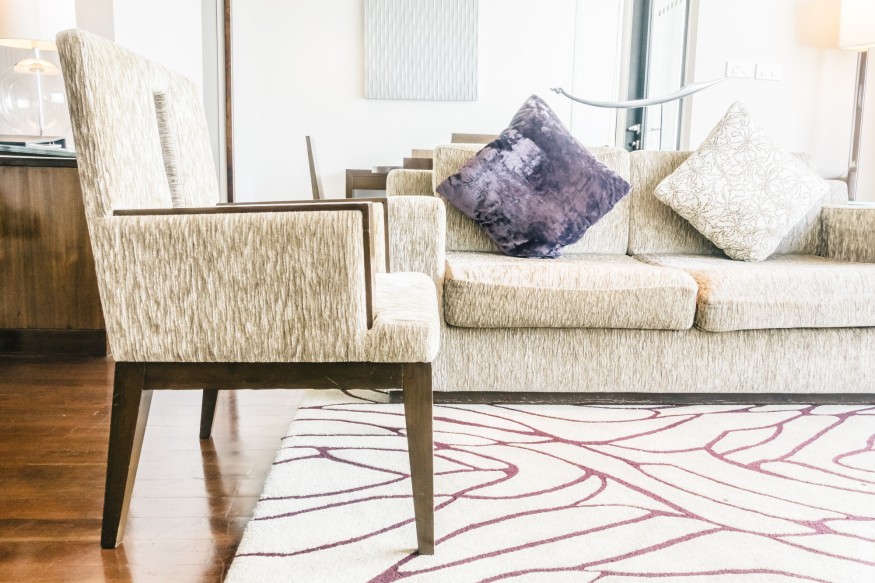
For years, hardwood, stone, and luxury vinyl flooring have dominated residential interiors. Their clean appearance, versatility, and relatively straightforward maintenance have made them popular choices for homeowners seeking modern, streamlined spaces. However, carpet is gradually reclaiming its place in contemporary design.
Once associated with dated beige interiors and builder-grade finishes, carpet is being reconsidered as a material that can introduce warmth, texture, and personality into a room. Designers are exploring everything from custom-fitted broadloom and luxurious wool flooring to colorful patterns that transform the floor into a defining decorative feature.
The renewed interest is not simply about returning to the wall-to-wall carpeting of previous decades. Today's approach places greater emphasis on material quality, thoughtful color selection, and the relationship between flooring and the rest of the interior.
According to Yelp's 2027 Home, Beauty, and Lifestyle Trends report, searches for carpet stores increased by 148% year over year. Searches for carpeting also rose by 57%, suggesting that consumer interest is extending beyond decorative area rugs.
For homeowners considering the trend, these are some of the ways designers are bringing carpet back into modern spaces.
1. Wall-to-Wall Carpet for a Softer Bedroom
Bedrooms are among the most natural places to introduce wall-to-wall carpeting. Unlike high-traffic entryways or kitchens, these spaces benefit from flooring that prioritizes comfort and softness.
A fitted carpet creates a continuous surface that feels comfortable underfoot, particularly when getting out of bed in the morning. It can also help reduce noise, making bedrooms feel quieter and more restful.
Designers are moving beyond generic beige options in favor of wool, wool blends, and subtle textured finishes. Warm taupe, oatmeal, mushroom, and muted brown shades provide a sophisticated foundation without competing with bedding, furniture, or artwork.
2. Patterned Carpets That Become the Focal Point
Carpet no longer needs to disappear into the background. Patterned options are giving designers an opportunity to introduce visual interest through the floor.
Stripes, checks, geometric motifs, and traditional-inspired patterns can make a room feel more distinctive. These designs are particularly effective in libraries, dressing rooms, playrooms, and smaller sitting areas.
The important consideration is scale. A large pattern can make a strong statement in a spacious room, while a smaller repeating motif may feel more appropriate in a compact interior.
3. Natural Fibers for a More Organic Look
Natural materials are contributing to the renewed interest in carpet. Wool, sisal, and jute offer different textures that can make a room feel warmer and more connected to nature.
Wool is particularly appealing because it offers softness, resilience, and a naturally rich appearance. Its versatility allows it to work in both traditional and contemporary interiors.
Sisal and jute, meanwhile, provide a more textured and structured finish. Their woven appearance can complement wooden furniture, linen upholstery, and other organic materials.
However, natural fibers are not equally suited to every room. Jute, for example, can be sensitive to moisture and staining, making it less practical for bathrooms and areas prone to spills. Material selection should always reflect the room's intended use.
4. Custom Broadloom for a Tailored Finish
Custom broadloom is another way designers are making carpet feel contemporary.
Rather than purchasing a standard area rug, broadloom can be cut to fit the dimensions of a particular room. The finished piece can be bound around the edges to create a tailored rug that looks almost integrated into the architecture.
This approach offers greater flexibility in terms of size, shape, and material selection. It can also help homeowners achieve the appearance of a custom-designed floor covering without necessarily investing in a full wall-to-wall installation.
A visible border can provide additional definition, especially when the carpet is placed over hardwood or another hard flooring surface.
5. Textured Carpets for Subtle Dimension
Texture can make even a relatively simple carpet feel more interesting.
Loop-pile, cut-pile, ribbed, and sculptural finishes create different visual effects depending on how light interacts with the surface. Tone-on-tone designs are particularly effective because they introduce dimension without relying on strong contrasts.
These finishes work well in rooms where furniture and accessories already provide visual interest. A textured neutral carpet can ground a space while allowing decorative lighting, artwork, and upholstery to remain prominent.
6. Colorful Carpets for More Expressive Interiors
The return of color in residential interiors is also influencing carpet selection.
Instead of defaulting to beige and gray, homeowners are considering richer shades such as deep blue, burgundy, forest green, and warm terracotta.
A colorful carpet can establish the room's palette, particularly when the walls and larger furniture pieces remain relatively understated. Alternatively, a patterned floor can complement an already expressive interior filled with artwork, decorative objects, and layered textiles.
7. Carpet in Media Rooms and Family Spaces
Carpet also offers practical benefits that make it appealing beyond bedrooms and formal living spaces.
In media rooms, its sound-absorbing qualities can help reduce echoes and create a more comfortable environment for watching films. In family spaces, a softer floor can make sitting, playing, and spending time together more comfortable.
However, these rooms require careful material selection. Stain-resistant fibers, durable construction, and manageable pile heights can make regular cleaning easier.
Homeowners with children or pets may also want to consider darker colors or subtle patterns that are better at disguising everyday wear.
What to Consider Before Installing Carpet
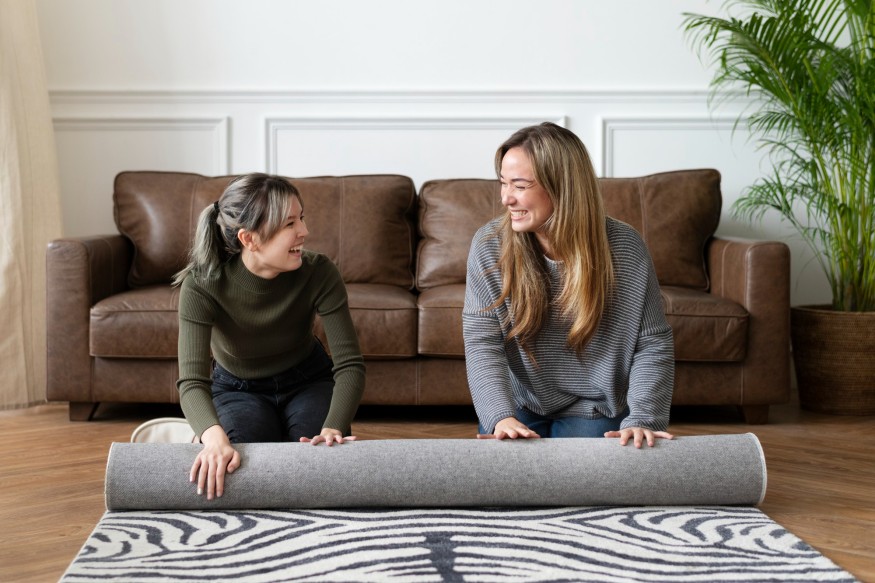
Although carpet can transform an interior, it requires a different maintenance approach from hard flooring. Buyers should consider how frequently the room is used, whether it is exposed to moisture, and how easily the selected material can be cleaned.
Wool offers a luxurious and durable option, but its cost can be higher than synthetic alternatives. Sisal and jute introduce natural texture but may require more careful maintenance. Synthetic fibers can provide practical stain resistance, although their appearance and feel vary by construction and quality.
Professional installation is also important. Proper underlay, accurate measurements, and suitable subfloor preparation can influence how the carpet performs over time.
A Softer Approach to Modern Flooring
The renewed interest in carpet reflects a broader shift toward interiors that prioritize comfort, personality, and sensory appeal. Rather than treating flooring as a neutral foundation, designers are using it as an important part of the decorating scheme.
Whether through a luxurious bedroom installation, a custom-fitted broadloom rug, or an expressive patterned carpet, the material offers opportunities to make a home feel more inviting.
The modern carpet comeback is not about recreating the interiors of previous decades. It is about recognizing that warmth, texture, and comfort can be just as important as a clean architectural finish.
Frequently Asked Questions
1. Is carpet coming back into style?
Yes. Carpet is regaining attention in residential interiors, particularly through natural fibers, custom broadloom, textured finishes, and sophisticated patterns.
2. Which rooms are best suited for carpet?
Bedrooms, media rooms, libraries, and family rooms are popular choices because they benefit from additional softness and sound absorption.
3. What carpet colors look modern?
Warm neutrals such as oatmeal, taupe, and mushroom remain versatile choices. Deep blue, forest green, burgundy, and muted terracotta are also being explored in more expressive interiors.


IKEA's New Art Collection Turns Everyday Home Decor Into Affordable Designer Art

Angelina Jolie's Former Cecil B. DeMille Estate Sells for $24.75 Million

Modern Kids' Rooms Are Changing: The Kids' Bedroom Ideas Designers Want Now

The Best Recessed Lighting Alternatives for Timeless, Better-Looking Home Interiors

IKEA Reveals Its 2027 Color of the Year, and It's a Bold New Direction for Interiors


