From Quirky Finds to Vintage Gems: How to Nail the Eccentric Aunt Home Aesthetic
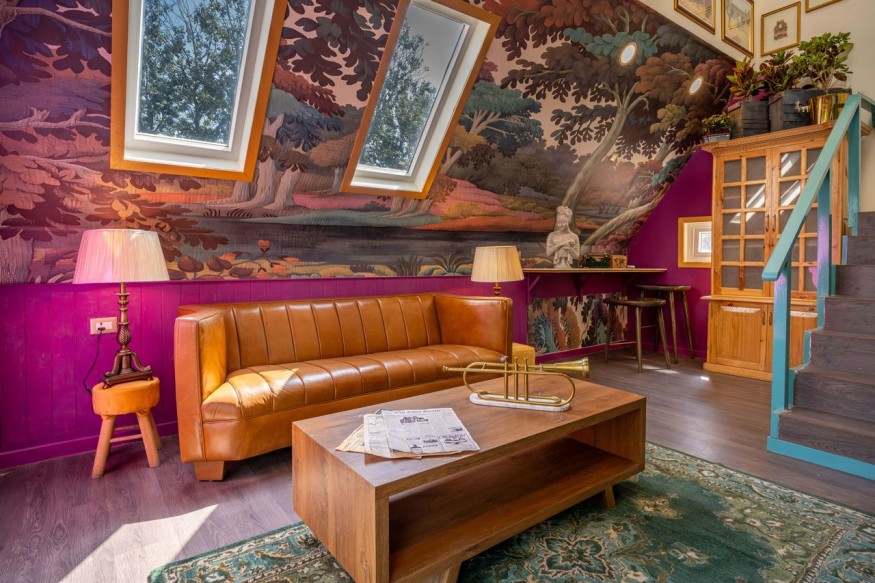
The eccentric aunt home aesthetic is having a moment, but its appeal goes beyond a passing decorating trend. Instead of relying on perfectly coordinated furniture or minimalist rooms, this style celebrates personality, nostalgia, unexpected combinations, and objects that appear to have a story. Think vintage furniture beside colorful artwork, patterned textiles layered with unusual accessories, and shelves filled with books, ceramics, or treasured finds.
For homeowners who find traditional decorating rules limiting, the look offers plenty of room for experimentation. The key is creating a space that feels collected and personal rather than simply crowded with decorative objects.
What Is the Eccentric Aunt Home Aesthetic?
The eccentric aunt home aesthetic is an expressive decorating style built around individuality. It often combines elements of eclectic home decor, vintage interiors, maximalism, and traditional design, resulting in rooms that feel charmingly unconventional.
The aesthetic takes inspiration from the imaginary home of an eccentric relative who has spent years collecting beautiful, unusual, and sentimental pieces. Nothing necessarily matches, yet the room still feels inviting because the objects share a sense of personality.
Color is another defining feature. Rich jewel tones, warm earth shades, cheerful pastels, floral patterns, and contrasting hues can all work within the look. This makes it particularly appealing to homeowners interested in colorful interior design.
How to Embrace the Eccentric Aunt Home Aesthetic
There is no single formula for achieving this decorating style. Instead, the strongest rooms tend to evolve through thoughtful combinations of furniture, artwork, accessories, and personal belongings.
Mix Vintage Pieces With Modern Finds
Vintage home decor is central to the aesthetic. An antique cabinet, old-fashioned mirror, traditional armchair, or secondhand side table can instantly give a room more character.
However, a room filled exclusively with vintage pieces can feel overly themed. Combining older furniture with contemporary lighting, modern artwork, or simple upholstery creates contrast and keeps the space feeling current.
Thrift stores, flea markets, antique shops, estate sales, and secondhand marketplaces can all be useful sources for distinctive pieces. The goal is not to find expensive antiques, but to discover objects with visual or sentimental appeal.
Experiment With Color
An eccentric aunt-inspired room rarely depends entirely on neutral shades. Colorful interior design can appear through painted walls, patterned curtains, rugs, upholstered furniture, artwork, or smaller accessories.
A homeowner does not need to introduce numerous colors at once. Starting with a favorite shade and repeating it in different parts of the room can create cohesion. For example, a deep green sofa might connect with green details in artwork, cushions, ceramics, or books.
Combine Patterns Without Making the Room Chaotic
Pattern mixing is one of the easiest ways to introduce personality into eclectic home decor. Florals, stripes, checks, botanical prints, geometric designs, and animal patterns can coexist when they are balanced carefully.
Varying the scale of patterns can help. A large floral print might work alongside a smaller geometric pattern, while solid-colored furniture provides visual breathing room.
Display Quirky Objects
Quirky home decor gives the style much of its charm. Instead of relying exclusively on conventional decorative accessories, homeowners can display objects that feel unusual or amusing.
Consider vintage lamps, unusual ceramics, sculptural objects, decorative boxes, framed illustrations, old clocks, figurines, or interesting flea-market finds. These pieces can become conversation starters while making the room feel distinctly personal.
Create a Collected, Rather Than Coordinated, Look
The collected home style works because it suggests that the room developed naturally over time. Family heirlooms can sit beside thrifted finds, travel souvenirs, books, artwork, and newer purchases.
Rather than buying an entire room from one collection, homeowners can gradually introduce pieces that complement what is already there. This approach also makes it easier to identify which objects genuinely belong in the space.
Is Eccentric Aunt Decor the Same as Maximalism?
Although eccentric aunt decor and maximalist home decor share several characteristics, they are not identical. Maximalism generally embraces abundance, layering, bold patterns, and visual richness. The eccentric aunt aesthetic focuses more strongly on personality, nostalgia, individuality, and unexpected combinations.
A maximalist room might deliberately layer numerous patterns and decorative objects. An eccentric aunt-inspired room can be equally colorful but may feel more relaxed, nostalgic, and collected.
The distinction is useful for homeowners who enjoy maximalism but do not want every surface covered with accessories.
How Can Eclectic Decor Still Look Cohesive?
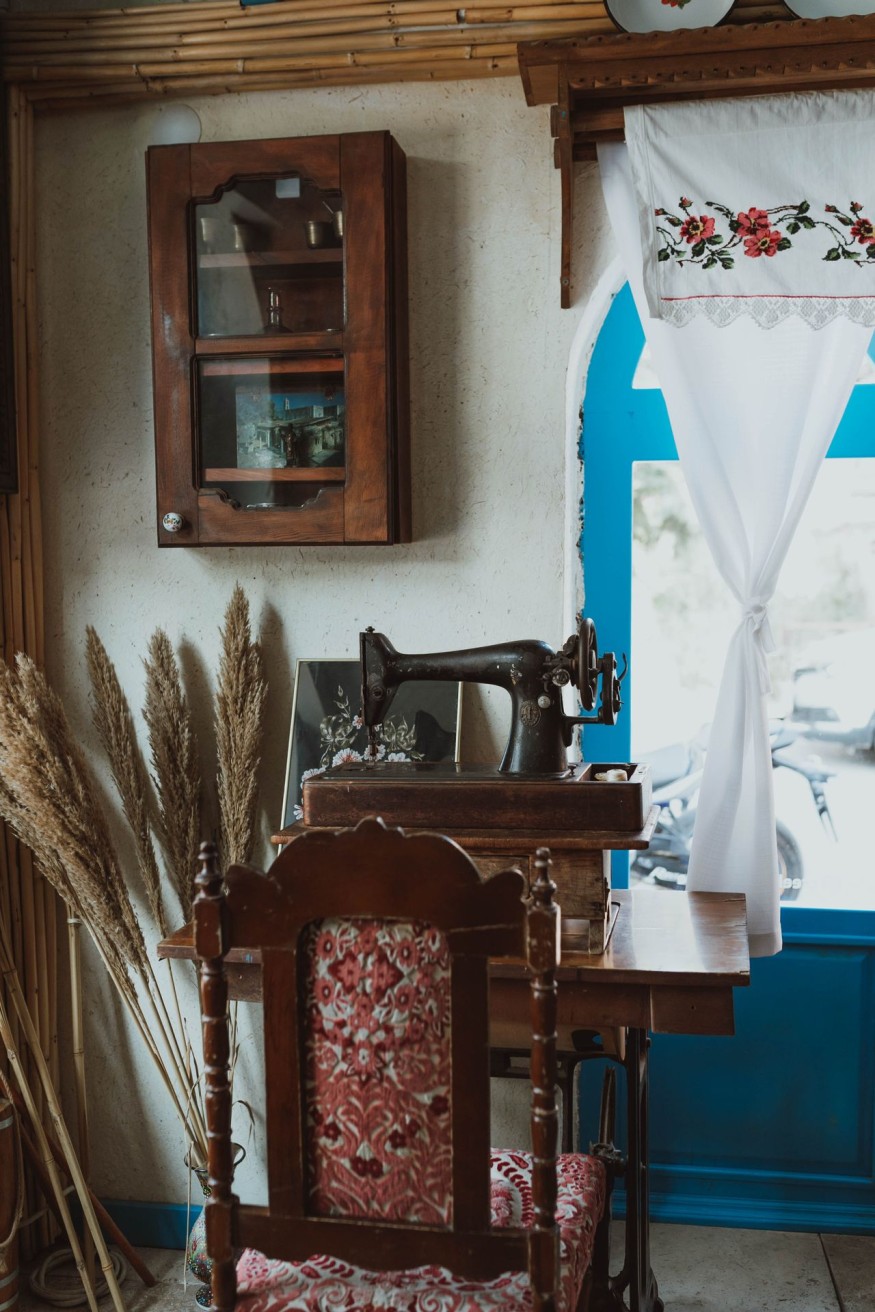
The trick is to give contrasting pieces something that connects them. Repeating a few colors, materials, finishes, or design motifs can make seemingly unrelated objects feel intentional.
- Repeat one or two accent colors throughout the room.
- Combine contrasting furniture styles around a common color palette.
- Use rugs and textiles to connect different patterns.
- Leave some surfaces relatively quiet to balance busier areas.
- Group smaller objects into intentional collections instead of scattering them everywhere.
These techniques allow eclectic home decor to remain expressive without becoming visually overwhelming.
How to Avoid Making the Look Feel Cluttered
The eccentric aunt aesthetic works best when every unusual piece has a reason for being there. Filling a room with random objects simply because they are quirky can make the space feel disorganized rather than collected.
Instead, homeowners can periodically edit their displays, remove pieces that no longer feel meaningful, and give favorite objects enough space to stand out. A balance of busy and quiet areas is particularly important when using maximalist home decor principles.
Why the Eccentric Aunt Home Aesthetic Feels So Personal
At its best, the eccentric aunt home aesthetic is less about following a decorating formula and more about creating an environment that reflects individual taste. Vintage discoveries, inherited belongings, colorful artwork, unusual accessories, and everyday objects can all contribute to a collected home style.
That flexibility is what makes the aesthetic approachable. A home does not need to be completely transformed to embrace it. Adding one vintage chair, displaying a collection of ceramics, introducing a bold color, or hanging an unconventional piece of art can begin shifting a room toward a more expressive style.
Frequently Asked Questions
1. What is the eccentric aunt home aesthetic?
The eccentric aunt home aesthetic is a personality-driven decorating style that combines vintage pieces, bold color, unusual accessories, mixed patterns, and personal collections.
2. What is eccentric aunt decor?
Eccentric aunt decor includes distinctive and often nostalgic furnishings and accessories, such as vintage furniture, quirky artwork, unusual lamps, ceramics, books, and collected objects.
3. Is eccentric aunt decor the same as maximalist home decor?
Not exactly. Both can feature abundant color, pattern, and accessories, but eccentric aunt decor places greater emphasis on individuality, nostalgia, vintage finds, and a collected-over-time appearance.
4. How can a home look eclectic without looking cluttered?
A cohesive eclectic room can repeat colors or materials, balance bold patterns with quieter surfaces, group decorative objects thoughtfully, and leave enough open space for individual pieces to stand out.


These 5 Common Household Items Could Be Making Your Home Feel Cluttered

Dry Creek Bed Landscaping Ideas That Make Backyard Drainage Look Beautiful

Kitchen Backsplash Design: 7 Things to Consider Before You Choose

5 Expert-Backed Ways to Create a Calmer, Cozier Home This Winter

How Smart Architectural Design Helps Buildings Handle Heavy Rain


