Kitchen Backsplash Design: 7 Things to Consider Before You Choose
A kitchen backsplash does more than complete the look of a kitchen. It protects walls from cooking splashes, grease, moisture, and everyday messes while connecting cabinetry, countertops, and other finishes into a cohesive design. Choosing the right backsplash requires balancing appearance with durability, cleaning requirements, installation costs, and the way the kitchen is used.
The options range from classic ceramic tiles and natural stone to large-format porcelain and glass. Each material offers a different combination of visual character and practical benefits. Some create intricate patterns, while others produce a continuous surface with fewer visible joints.
The best choice depends on the kitchen's existing finishes, cooking habits, maintenance expectations, and budget. By considering these factors before selecting a material, homeowners can create a backsplash that remains attractive and functional for years.
Material Selection Determines Durability and Maintenance
Ceramic tile remains a versatile choice because it is available in numerous colors, shapes, sizes, and finishes. It is generally easy to clean, and individual tiles can often be replaced if damaged. Its overall performance depends on the product specification, installation quality, grout, and suitability for the intended location.
Porcelain tile is another practical option. It is typically dense and durable, with designs that replicate stone, concrete, and other materials. Large-format porcelain can create a streamlined appearance, although its weight and installation requirements may call for an experienced installer.
Natural stone offers distinctive veining and surface variation. Marble, travertine, and other stones can introduce texture and visual depth, but their maintenance requirements differ. Some stones are more porous or sensitive to acidic substances, making appropriate sealing and cleaning important.
Glass tiles can reflect light and add brightness to a kitchen, particularly when used in smaller spaces. Stainless steel provides a contemporary, professional appearance, although fingerprints, scratches, and water spots may be more noticeable.
Color and Texture Create a Cohesive Kitchen Palette
A backsplash should complement the countertop and cabinetry without necessarily matching them exactly. The relationship between color, undertone, texture, and finish determines whether the kitchen feels balanced or visually crowded.
In kitchens with heavily patterned stone countertops, a simpler backsplash can allow the countertop to remain the focal point. Plain ceramic tiles, subtle textures, or a continuation of the countertop material can create a coordinated appearance.
Conversely, understated cabinets and countertops provide an opportunity to introduce colorful tiles, decorative patterns, or a distinctive stone surface. A backsplash can become a focal point without requiring changes to the entire kitchen.
Tile Shapes and Layouts Define the Overall Style
The shape and arrangement of backsplash tiles influence the visual rhythm of a kitchen. Subway tiles remain popular because they suit both traditional and contemporary interiors, but square tiles, mosaics, elongated rectangles, and irregular shapes offer additional possibilities.
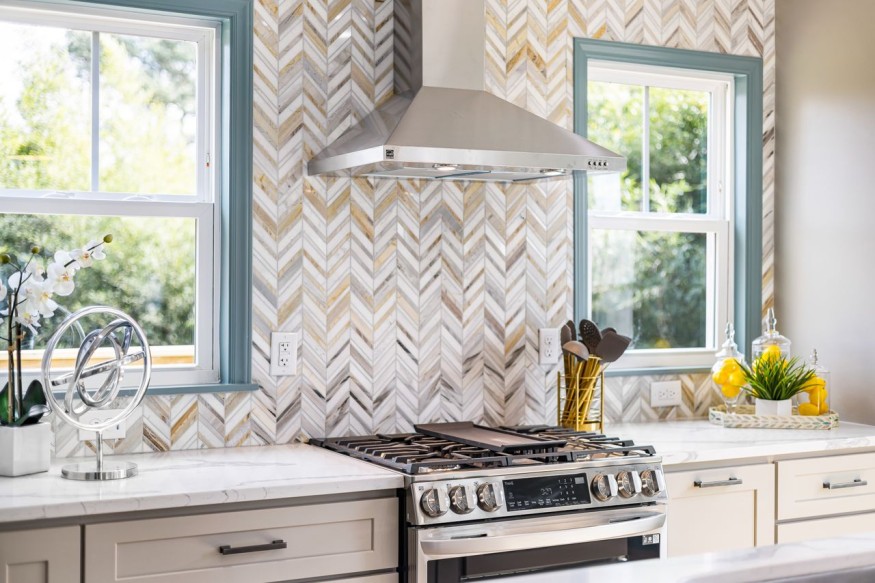
A horizontal layout can emphasize the width of a wall, while vertical placement may draw attention upward. Herringbone and chevron patterns introduce movement and visual interest, although they can require more cutting and installation time.
Mosaic tiles are useful for detailed patterns and surfaces with curves or unusual dimensions. Their many joints, however, can increase cleaning requirements in areas exposed to grease and food splashes.
Practical Design Choices Improve Everyday Performance
A visually appealing backsplash should also withstand the conditions in which it will be used. Cooking areas experience grease, moisture, heat, and frequent cleaning, so surface selection and installation details matter.
- Prioritize cleanable surfaces: Smooth, appropriately rated materials are generally easier to wipe down than deeply textured finishes in grease-prone areas.
- Select grout with care: Grout color affects the appearance of the tile pattern and how readily everyday discoloration becomes visible.
- Consider the number of joints: Larger tiles or continuous surfaces can reduce grout maintenance, although joints still need appropriate installation.
- Check care requirements: Natural stone and some grout products may require sealing or specific cleaning products.
- Follow appliance specifications: Materials and clearances near cooking appliances must meet relevant manufacturer instructions and applicable safety requirements.
These considerations should be evaluated together. A durable tile may still be difficult to maintain if it has an unsuitable finish, poorly installed grout, or complicated detailing around appliances.
Backsplash Height and Placement Affect Protection
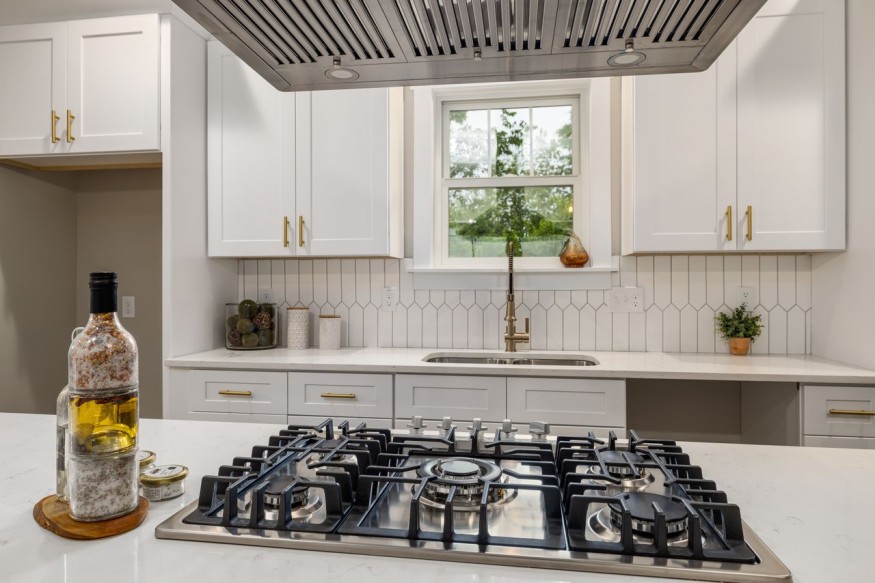
A conventional backsplash often covers the wall between the countertop and the underside of upper cabinets. However, its height can vary according to the kitchen layout, appliance positions, and desired visual effect.
A full-height backsplash extending to the ceiling can create a dramatic feature behind a range hood or open shelving. Continuing the countertop material up the wall can also establish a clean, cohesive appearance.
The area behind a cooktop may require particular attention because heat exposure and appliance installation requirements can affect material suitability. Homeowners should follow the appliance manufacturer's instructions and applicable building and fire-safety requirements rather than assuming that every tile or adhesive is suitable.
The edges of the backsplash deserve consideration as well. Finished edges, trim pieces, and carefully planned transitions can help the installation look intentional. These details are particularly noticeable where the backsplash ends beside a window or meets a painted wall.
Timeless Materials Support Long-Term Design
A timeless backsplash does not have to be plain or colorless. It should complement the kitchen's permanent features and remain compatible with the homeowner's preferences as accessories and decorative details change.
Classic tile shapes, balanced colors, and quality installation provide flexibility. However, distinctive stone, colorful tiles, and expressive patterns can also remain appealing when they suit the architecture and the people who use the space.
The level of commitment matters. A bold backsplash may be an excellent investment when cabinetry and countertops will remain in place for many years. Homeowners planning a future renovation may prefer a more adaptable finish.
Ultimately, the best backsplash combines appropriate materials, a cohesive palette, manageable maintenance, and installation suited to the kitchen's everyday demands.
Choose a Kitchen Backsplash That Works for Everyday Living
A well-chosen kitchen backsplash protects walls while contributing to the room's overall design. Ceramic and porcelain tiles offer versatility, natural stone adds distinctive character, and continuous surfaces can reduce visible joints. By comparing durability, cleaning requirements, installation costs, and existing finishes, homeowners can find a backsplash that balances visual appeal with practical performance.
Frequently Asked Questions
1. What is the easiest kitchen backsplash material to clean?
Smooth ceramic and porcelain tiles are generally easy to maintain. Large-format surfaces can also reduce grout lines, although cleaning requirements depend on the material, installation, and products used.
2. Is a full-height kitchen backsplash worth the investment?
A full-height backsplash can protect more of the wall and create a strong design feature. Its value depends on the kitchen layout, material cost, installation budget, and desired appearance.
3. Should backsplash grout be lighter or darker than the tile?
Lighter grout can create a seamless appearance, while darker grout emphasizes the tile pattern. The choice depends on the desired effect, tile color, and maintenance expectations.
4. Can natural stone be used for a kitchen backsplash?
Yes. Natural stone can introduce distinctive texture and variation, but homeowners should consider porosity, resistance to stains and acids, sealing requirements, and recommended cleaning methods.


Rotundas, Towers, and Turrets: The Architectural Details That Make Buildings Stand Out

The Growing Appeal of Multigenerational Home Design: How to Create Space for Every Generation

Building Atriums Becoming Social Spaces Instead of Empty Voids

The Forgotten Space Under the Stairs Can Become One of the Most Useful Areas in a Home

Flexible Rooms Are Changing Modern Home Design. Here's How to Make Them Work


