Family Game Room Ideas: How to Create a Home Game Room Everyone Will Enjoy
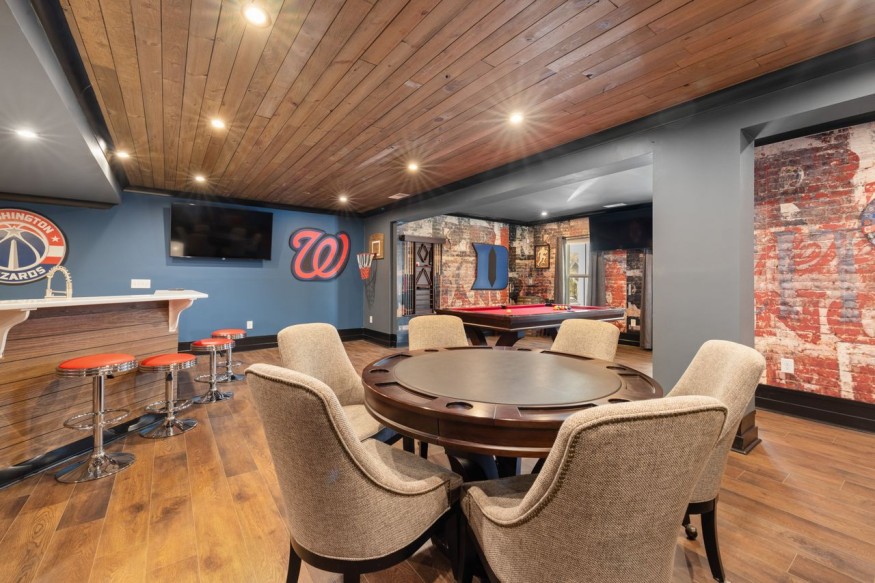
A well-designed family game room can become one of the most useful gathering spaces in a home. Rather than catering to only one age group or hobby, the room can combine board games, video games, puzzles, active entertainment, and comfortable seating in a way that encourages everyone to participate.
The most successful home game room designs begin with the family's habits instead of a collection of equipment. Layout, storage, lighting, seating, and flexibility all influence whether the space feels inviting or becomes an overcrowded room filled with things that rarely get used. With thoughtful planning, even a modest room can accommodate several types of entertainment while still feeling connected to the home's overall interior design.
1. Start With the Family's Interests
Before choosing furniture or games, homeowners should consider who will use the room and what they enjoy doing together. A household with young children may benefit from open floor space and accessible games, while one with teenagers may prioritize video gaming, music, or table games.
The room does not need to accommodate every possible activity. Selecting a few activities that appeal to different family members can make the space more functional and easier to maintain.
2. Choose a Practical Location
A spare bedroom, basement, bonus room, loft, or large family room can work as a game room. The best location depends on available floor area, ceiling height, natural light, noise, and access to electrical outlets.
A room that serves another purpose can also become a flexible home game room. For example, a media room can include a board-game table, while a family room can incorporate a compact gaming station. Multipurpose spaces are particularly useful when square footage is limited.
3. Divide the Room Into Activity Zones
A thoughtful layout prevents different activities from competing for the same space. A video-game setup can occupy one wall, while a table provides a dedicated area for board games, puzzles, or cards. An open section can remain available for active games or children's activities.
Creating zones also makes it easier to plan lighting, outlets, furniture placement, and storage. This approach is especially helpful in larger rooms that need to support several activities without feeling disorganized.
4. Select Games for Different Ages
A family-friendly room should offer more than a single type of entertainment. Classic board games and card games can encourage face-to-face interaction, while consoles provide an option for multiplayer video gaming. Tabletop games, puzzles, foosball, and similar activities can give the room additional variety.
The selection can evolve as children grow. Keeping frequently used games accessible also makes spontaneous family game nights easier.
5. Prioritize Comfortable, Flexible Seating
Comfortable seating can determine how long people actually stay in the room. A sectional, compact sofa, lounge chairs, ottomans, or movable stools can accommodate both players and spectators.
Flexible furniture is particularly useful because the room may need to change depending on the activity. Smaller spaces can benefit from multifunctional seating and tables that serve several purposes rather than large pieces dedicated to one game.
6. Build Storage Into the Design
Game pieces, controllers, cards, puzzles, cables, and accessories can quickly create visual clutter. Storage should therefore be considered during the initial design rather than added after the room is finished.
Useful Storage and Organization Ideas
- Use open shelving for games that are played frequently.
- Place smaller pieces in labeled baskets or containers.
- Add cabinets for controllers, electronics, and less frequently used items.
- Consider wall-mounted storage to keep the floor clear.
- Choose furniture with concealed compartments when additional storage is needed.
Vertical and multifunctional storage can be particularly effective in smaller rooms because it preserves valuable floor space.
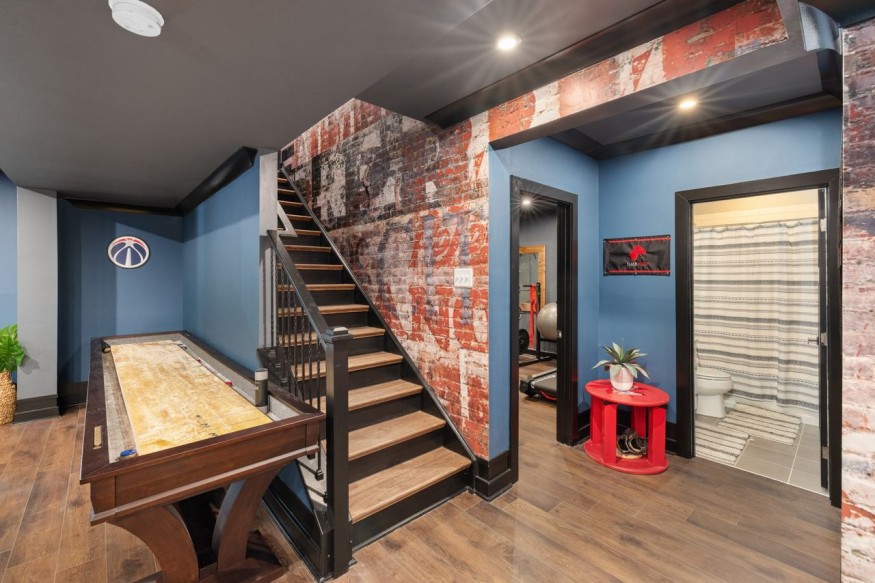
7. Use Lighting to Support Different Activities
Lighting should change with the way the room is being used. A board-game table benefits from clear, focused illumination, while a video-game area may need softer, controlled lighting to reduce screen glare.
Dimmable fixtures can help the same room transition from an energetic game night to a relaxed movie session. Natural light is also useful during the day, although window treatments can help control glare when screens are in use.
8. Keep the Décor Connected to the Home
A game room can be playful without looking disconnected from the rest of the house. Colors, furniture finishes, rugs, artwork, and materials can echo the home's existing design style.
Instead of covering every wall with novelty decorations, homeowners can use a few meaningful pieces, such as framed game artwork, sports memorabilia, colorful textiles, or a statement light fixture. This creates a room that feels intentional while still reflecting the family's personality.
9. Leave Room for the Space to Change
The best game room ideas allow the room to evolve. Children's interests may change, new games may become family favorites, and furniture may eventually need to accommodate older users.
Convertible tables, movable seating, modular storage, and open floor areas make future changes easier. A flexible design also allows the room to serve as a movie area, homework space, party room, or casual lounge when nobody is playing games.
A Family Game Room Designed for Everyday Enjoyment
A successful family game room does not need expensive equipment or elaborate décor. Its value comes from creating an inviting place where different people can comfortably spend time together.
By combining practical zoning, comfortable seating, accessible storage, adaptable lighting, and a varied selection of activities, a home game room can function as a genuine extension of the family's living space. The most effective design is ultimately one that makes it easy for everyone to find something enjoyable to do.
Frequently Asked Questions
1. What should a family game room have?
A family game room should have comfortable seating, accessible storage, a mix of age-appropriate games, suitable lighting, and enough open space for movement. The exact combination depends on the family's interests and the room's size.
2. How can a small room be turned into a game room?
A small room can use wall-mounted storage, multifunctional furniture, compact seating, and a limited number of carefully selected activities. A wall-mounted television can also save floor space while leaving room for a table or other activities.
3. What games work well in a family game room?
Board games, card games, puzzles, multiplayer video games, foosball, tabletop games, and other activities that support multiple players can work well. A varied selection gives different age groups more opportunities to participate.
4. How can a game room look stylish?
A cohesive color palette, attractive storage, comfortable furniture, layered lighting, and décor that complements the rest of the home can keep the room stylish. Game equipment can become part of the design rather than appearing randomly placed.


The Growing Appeal of Multigenerational Home Design: How to Create Space for Every Generation

Rotundas, Towers, and Turrets: The Architectural Details That Make Buildings Stand Out

Flexible Rooms Are Changing Modern Home Design. Here's How to Make Them Work

Building Atriums Becoming Social Spaces Instead of Empty Voids

The Forgotten Space Under the Stairs Can Become One of the Most Useful Areas in a Home


