Want a Cozier Home? Try These Living Room Design Tips and Furniture Arrangement Ideas That Really Work
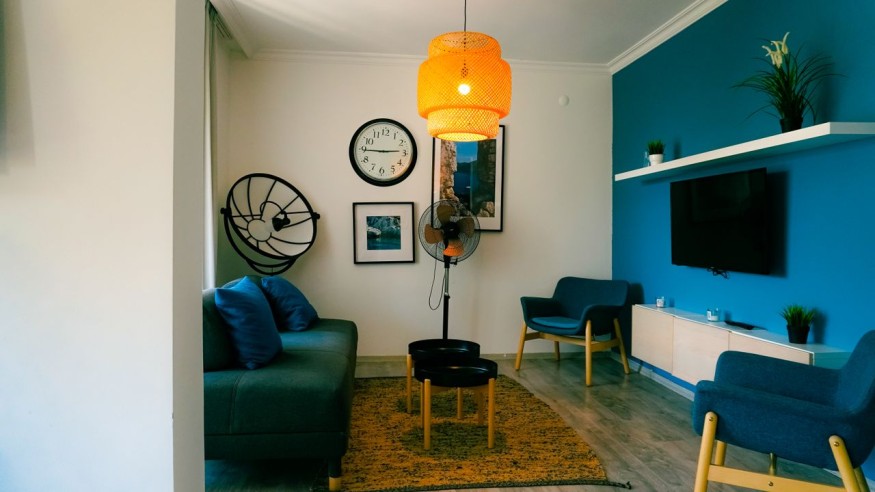
A beautiful living room is not always the most comfortable one. Many spaces have attractive furniture and stylish décor, yet they still feel awkward when guests gather or family members want to relax together. Often, the issue is not the furniture itself but the way it is arranged.
One of the simplest living room design tips gaining attention among interior designers is creating intentional seating zones instead of treating the room as one large seating area. Rather than lining every seat around a television or placing furniture along the walls, seating zones encourage conversation, flexibility, and better use of the available space. Designers note that thoughtfully planned seating groups help larger rooms feel more welcoming while allowing each area to serve a distinct purpose.
Why Your Living Room Layout Matters More Than Your Décor
Furniture, artwork, and accessories certainly shape a room's personality, but layout determines how people experience the space every day.
A thoughtful arrangement can:
- Encourage conversation between guests.
- Improve movement throughout the room.
- Make large rooms feel cozy instead of empty.
- Help small spaces appear more organized.
- Give every corner a clear purpose.
When furniture placement supports daily activities, the living room becomes more functional without requiring expensive renovations.
The Simple Layout Trick Designers Recommend
Instead of designing around a single focal point, designers increasingly recommend creating multiple seating zones within the same room. This approach works especially well in spacious living rooms, open floor plans, or family spaces that serve several functions throughout the day. Each seating group should have a clear purpose while remaining visually connected to the rest of the room.
For example, one area may include a sofa, coffee table, and accent chairs for entertaining, while another features two comfortable chairs and a side table for reading or casual conversations. The goal is to create inviting destinations rather than one oversized furniture cluster.
Furniture Arrangement Ideas That Instantly Make a Room Feel More Welcoming
Float Furniture Instead of Pushing Everything Against the Wall
One of the most common layout mistakes is placing every piece directly against the walls. Although this may seem like it creates more space, it often leaves a large empty area in the center.
Instead:
- Pull the sofa slightly away from the wall.
- Place a console table behind it if needed.
- Anchor the seating area with a properly sized rug.
Floating furniture creates intimacy while defining the living area more naturally.
Create a Conversation Circle
Arrange seating so people can comfortably face one another instead of looking in only one direction.
Helpful ideas include:
- Position chairs across from the sofa.
- Keep side tables within easy reach.
- Place the coffee table at a comfortable distance from each seat.
- Avoid oversized furniture that interrupts conversation.
This arrangement works whether entertaining guests or spending a quiet evening with family.
Use Rugs to Define Individual Zones
Area rugs do more than add softness underfoot. They visually separate different parts of the room without installing walls.
For example:
- A large rug can anchor the primary seating area.
- A smaller rug can define a reading corner.
- Matching rug styles help separate spaces while maintaining a cohesive design.
Interior designers often begin planning a room by selecting the rug because it establishes the footprint for furniture placement.
Leave Comfortable Walkways
Even the most beautiful layout loses its appeal if people must weave around furniture.
Keep pathways open by:
- Avoiding furniture directly in traffic routes.
- Leaving enough room to walk comfortably between seating pieces.
- Positioning tables where they are accessible without blocking movement.
Clear circulation makes the room feel more spacious and easier to enjoy.
Mix Different Seating Options
Instead of relying on one large sectional, combine different seating pieces for greater flexibility.
Consider adding:
- Upholstered accent chairs
- Ottomans that double as extra seating
- Benches
- Small swivel chairs
- Compact poufs
This variety creates visual interest while making the room adaptable for different occasions.
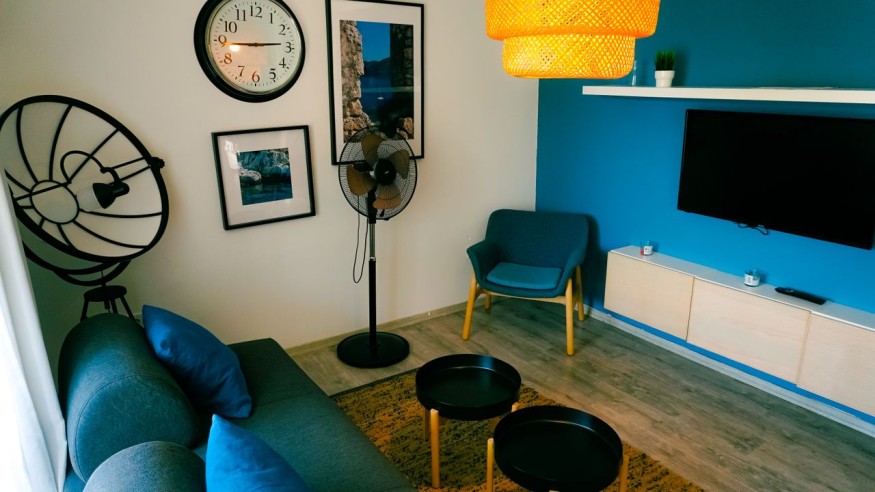
Common Living Room Layout Mistakes to Avoid
Even well-designed homes can suffer from a few furniture placement errors.
Some of the most common include:
- Centering every piece around the television.
- Choosing a rug that is too small.
- Filling every corner with furniture.
- Blocking windows and natural light.
- Ignoring the room's natural traffic flow.
- Using oversized furniture in smaller spaces.
A successful layout balances openness with functionality rather than simply fitting in as many pieces as possible.
How Small Living Rooms Can Benefit From Seating Zones
The idea of multiple seating areas is not limited to large homes. Small living rooms can also benefit from subtle zoning.
A few simple adjustments include:
- Pairing one accent chair with the sofa to create conversation.
- Using a slim side table instead of bulky furniture.
- Choosing nesting tables for flexibility.
- Incorporating storage ottomans to reduce clutter.
- Keeping decorative accessories minimal.
These furniture arrangement ideas help maximize every square foot while maintaining an inviting atmosphere.
Easy Living Room Design Tips That Cost Little
Refreshing a living room does not always require buying new furniture. Rearranging existing pieces can dramatically change how the space feels.
Affordable improvements include:
- Moving seating closer together.
- Rotating chairs toward conversation areas.
- Swapping bulky side tables for lighter designs.
- Layering floor and table lamps for warmer lighting.
- Adding greenery to soften empty corners.
- Decluttering surfaces to create visual breathing room.
Small changes often have the biggest impact because they improve both function and comfort.
Transform Your Living Room With Smarter Furniture Placement
The most inviting living rooms are not necessarily the largest or the most expensive. They are the ones designed around how people naturally gather, relax, and move through the space. Creating intentional seating zones, improving traffic flow, and making thoughtful furniture choices can completely change the feel of a room without a major renovation. By applying these practical living room design tips and furniture arrangement ideas, homeowners can create a space that feels warm, functional, and welcoming every day.
Frequently Asked Questions
1. What is the best furniture layout for a living room?
The best layout depends on the room's size and purpose, but arranging seating to encourage conversation while maintaining clear walkways creates a comfortable and functional space.
2. Should all living room furniture face the television?
No. While the television can be one focal point, incorporating seating that faces one another encourages conversation and makes the room feel more inviting.
3. How do seating zones improve a living room?
Seating zones divide a room into functional areas for activities like entertaining, reading, or relaxing. They help large spaces feel cozier and allow the room to serve multiple purposes.
4. How can a living room feel bigger without removing furniture?
Improving furniture placement, floating key pieces away from walls, keeping pathways open, choosing appropriately sized rugs, and reducing clutter can make a living room appear larger and more balanced.


Kohler and Aerin Lauder Introduce Delft-Inspired Floral Bathroom Fixtures

Benjamin Moore's 2027 Color of the Year Is a Nature-Inspired Green With Timeless Appeal

How to Host and Style a Party That Feels Warm, Welcoming, and Effortlessly Stylish

California Considers New Restrictions on Engineered Stone Countertops Over Silica Risks

Sherwin-Williams's 2027 Color Forecast Unveils 48 Rich Colors to Refresh Your Home in 2027


