Home Space Hacks Designers Love for Making a Small Bedroom Feel Stylish and Spacious
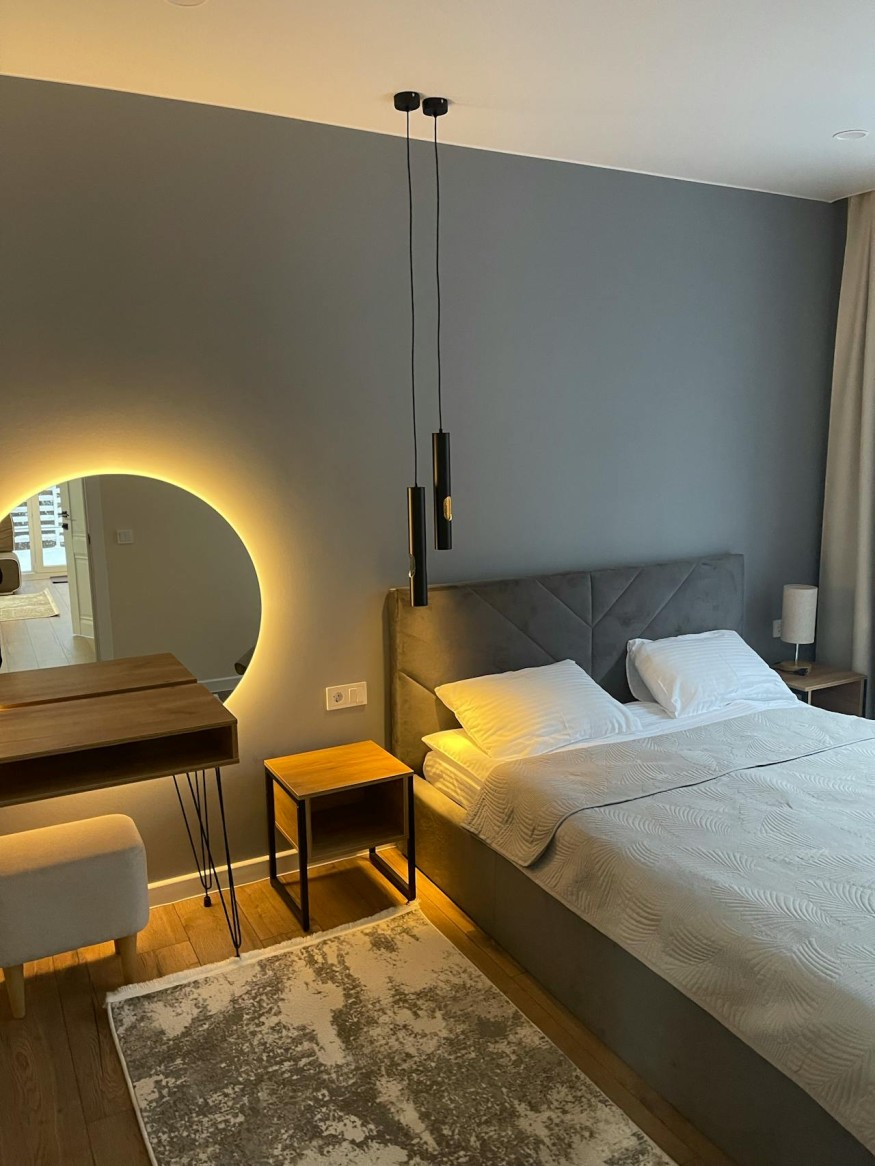
A small bedroom does not have to feel like a storage closet with a mattress in it. With the right approach to minimalist interior design, even the most compact sleeping space can feel calm, open, and intentional. Designers have long championed the idea that thoughtful editing, not expensive renovations, is what transforms a tight room into a true retreat. Here is what the experts say actually works.
Why Minimalist Interior Design Works for Small Bedrooms
There is a reason minimalist home decor has dominated interior design conversations for years: it is rooted in function. In a small bedroom, every item competes for visual and physical space. The fewer elements that exist in the room, the more spacious it appears. According to interior designer Lauren Saab, "A well-designed small bedroom feels intimate, cocoon-like, and calming. A smaller one done right becomes a sanctuary where nothing feels wasted and everything feels considered."
The minimalist approach is not about making a room look empty. It is about making deliberate choices that serve both form and function.
Choose a Light, Cohesive Color Palette
Color is one of the most powerful tools in any designer's toolkit, and in a small bedroom, it can visually expand the walls without lifting a hammer.
- Light neutrals and soft pastels reflect natural light and make walls appear to recede, giving the illusion of a larger space.
- Monochromatic or tonal palettes prevent the room from looking "visually chopped up," according to designer Carolyn Cerminara of Cerminara Design.
- Painting walls, trim, and ceiling in the same tone creates a seamless flow that tricks the eye into perceiving more height and width.
- Dark, bold colors can still work when applied consistently throughout the room, including the ceiling, so the edges soften and space feels more expansive rather than boxed in.
As a general rule, keeping the palette to two or three shades creates cohesion without monotony.
Use a Smart Bedroom Layout and Right-Sized Furniture
One of the most common mistakes in small bedroom design is choosing furniture based on comfort alone without considering floor footprint. A smart bedroom layout starts with the bed.
Designers recommend opting for a bed frame with slim legs that leave open space underneath. That visible gap between the frame and the floor expands the perceived floor area and lets light travel freely through the room. Bulky platform beds or heavily skirted frames do the opposite; they visually anchor the space and make it feel heavier.
Mattress size matters too. While a king-size mattress feels luxurious, it can eat up the entire footprint of a small room. Scaling down to a queen or full size frees up walking space on either side and immediately makes the layout feel more breathable.
When it comes to nightstands, wall-mounted floating shelves are a smarter swap than traditional bulky tables. They keep the floor clear, maintain the open feel of the room, and still provide surface space for a lamp or book.
Maximize Vertical Space With Simple Home Design Ideas
When horizontal square footage is limited, the wall height becomes the most underused asset in the room. These simple home design ideas take advantage of that vertical opportunity:
- Floor-to-ceiling shelving or cabinetry draws the eye upward and creates the impression of a taller ceiling.
- Tall headboards serve the same visual purpose, pulling attention up rather than across the room.
- Hanging curtains from the highest point on the wall, rather than just above the window frame, elongates the room and makes ceilings feel higher.
- Pendant lights and wall sconces replace bedside table lamps, freeing up surface space and keeping the room visually light.
- Vertical artwork or mirrors reinforce upward eye movement and add personality without consuming floor space.
Mirrors: A Non-Negotiable Home Space Hack
Strategic mirror placement is one of the most effective and affordable tools in small bedroom design. Mirrors reflect both natural and artificial light, doubling the perceived brightness of a room while creating the illusion of additional depth.
Positioning a large mirror across from or adjacent to a window captures light throughout the day and gives the room an airy, open quality. Floor-length mirrors mounted flat against the wall are particularly effective because they reflect a full view of the room, essentially doubling what the eye sees.
Mirrored closet doors serve a dual purpose (functional and visual) making them a practical upgrade in tight spaces.
Declutter and Store Smarter
No amount of design skill can overcome a cluttered room. In minimalist home decor, storage is built into the design rather than added as an afterthought.
- Storage beds with built-in drawers on each side eliminate the need for a separate dresser, freeing up wall space for other uses.
- Floating shelves above the bed or along walls keep everyday items accessible without taking up floor space.
- Storage ottomans and benches at the foot of the bed add functionality without visual bulk.
- Keeping surfaces clear, like nightstands, dressers, and windowsills, is often the fastest way to make a small room feel instantly larger.
Flooring and Rugs: The Often-Overlooked Detail
Continuous flooring without breaks or pattern changes makes a space read as larger and more unified. In a small bedroom, avoiding mixed materials or multiple small rugs keeps the eye moving smoothly across the room.
When adding a rug, designers recommend going larger rather than smaller. A rug that extends beyond the furniture creates a sense of continuity and makes the floor area feel more expansive. A good sizing rule is to choose a rug approximately 12 inches shorter than the walls on all sides.
Light-colored or low-pattern rugs complement the minimalist aesthetic and avoid interrupting the visual flow of the space.
Simple Touches That Make a Big Difference
Design does not always require major changes. A few intentional swaps go a long way:
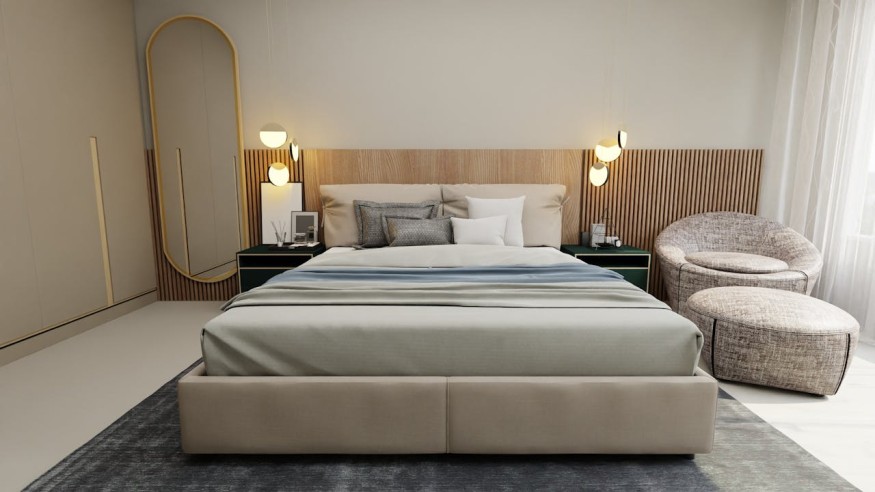
- Swap heavy, layered bedding for crisp, streamlined linens with two or three well-chosen pillows.
- Limit decorative accessories to a few curated pieces rather than clustering multiple small objects.
- Use leggy furniture throughout, such as bed frames, benches, and side tables, to let light travel under and around pieces.
- Hang art in vertical arrangements to reinforce upward eye movement.
Start Small and Build a Bedroom That Feels Intentionally Designed
Making a small bedroom feel bigger does not require gutting the space and starting over. The most effective changes tend to be the quietest ones: a lighter paint color, a slimmer bed frame, a well-placed mirror, or the removal of furniture that was never truly earning its place. Minimalist interior design is ultimately about editing with intention, choosing quality over quantity, and letting the space breathe. When applied to a small bedroom, these principles do not just make the room look bigger. They make it feel better to live in.
Frequently Asked Questions
1. What is the best color for a small bedroom in minimalist interior design?
Light, neutral tones such as warm whites, soft grays, and pale beiges are the most effective colors for small bedrooms. They reflect natural light and make walls appear to recede, visually expanding the space. Painting the walls, ceiling, and trim in the same tone amplifies this effect by creating a seamless, uninterrupted flow.
2. How many furniture pieces should a small minimalist bedroom have?
Designers typically recommend keeping large furniture pieces to a minimum: a bed, one or two nightstands, and a single storage solution such as a dresser or wardrobe. Each piece should serve a clear purpose. Multifunctional furniture, such as a storage bed or a bench with built-in compartments, helps reduce the total number of items in the room without sacrificing functionality.
3. Can minimalist home decor still feel warm and personal?
Absolutely. Minimalist home decor is not synonymous with cold or impersonal spaces. Warmth comes through texture, linen bedding, a wool rug, natural wood tones, rather than through quantity. A few meaningful objects, a plant, or a single piece of art can make a minimalist bedroom feel lived-in and personal without creating visual clutter.
4. What are the easiest simple home design ideas to implement immediately?
The fastest changes with the most visual impact include: removing unnecessary items from surfaces, replacing bulky bedside lamps with wall sconces, adding a large mirror opposite the window, and switching to light-colored bedding. These adjustments require no major renovation and can transform the look and feel of a small bedroom in a single afternoon.


8 Stylish Halloween Staircase Decor Ideas That Make a Dramatic Statement

The Best Prime Day Furniture Deals to Look for Before Refreshing Your Home

Small-Space Design: Why the 'Boneless' Sofa Is Worth Considering

How to Bring Autumn Into Every Room With These 12 Cozy Decorating Ideas

These Affordable Kitchen Organization Ideas Make Cabinets and Counters Work Harder


