Rethinking Backyard Water Features: Modern Swimming Pool Design and Minimalist Reflecting Ponds
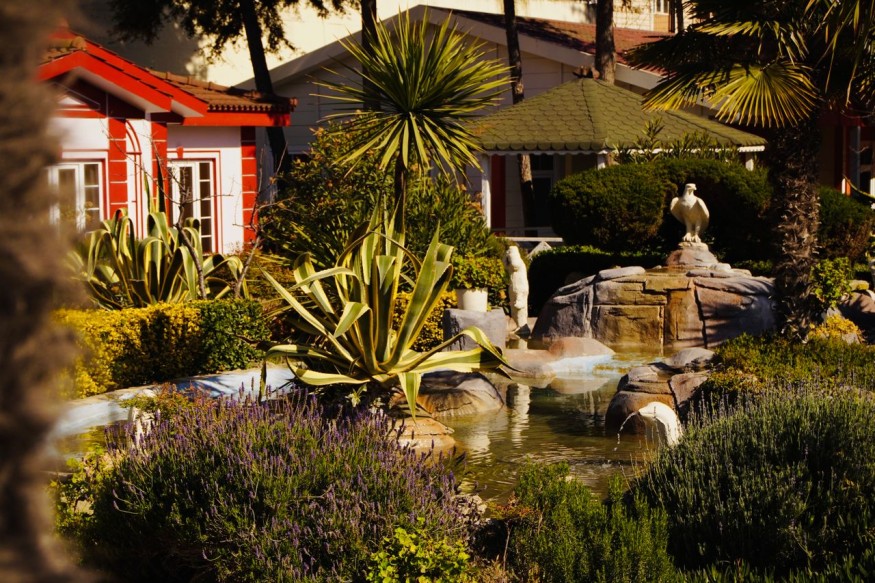
Water can transform an outdoor space from a simple extension of the home into a carefully composed landscape. Modern pools, reflecting ponds, and smaller water installations can introduce movement, reflection, texture, and a sense of calm while complementing the architecture around them. The key is thoughtful integration. Rather than treating water as an isolated feature, contemporary landscape design increasingly considers how pools and ponds interact with patios, gardens, walls, pathways, and views from inside the home.
For homeowners interested in modern swimming pool design, the goal is often a balance between functionality and visual simplicity. Meanwhile, minimalist reflecting ponds can provide a quieter decorative element that emphasizes architectural details and surrounding greenery. Together, these approaches demonstrate how backyard water features can become an important part of a cohesive outdoor design.
What Defines Modern Swimming Pool Design?
Modern swimming pool design typically favors clean geometry, restrained materials, and strong connections to the home's architecture. Rectangular pools remain popular because their straight edges complement contemporary buildings and create a sense of order. Long, narrow pools can also work particularly well alongside patios or homes with expansive windows.
Infinity edges, integrated tanning ledges, submerged steps, and flush coping can further reinforce a streamlined appearance. Instead of adding numerous decorative details, modern designs tend to rely on proportion, materials, and carefully considered sightlines.
The pool's relationship with the surrounding landscape also matters. A pool that visually extends toward a garden, frames a distant view, or aligns with an architectural wall can feel considerably more integrated than one placed without regard to the home's existing structure.
Read more: From Concrete Layers to Communities: The Future of 3D Printed Homes and Affordable Housing
How Do You Make a Reflecting Pond Look Modern?
A reflecting pond does not need elaborate ornamentation to become a focal point. Minimalist reflecting ponds generally use simple forms, calm water surfaces, and limited planting to create a more architectural appearance.
Rectangular and square ponds can echo the geometry of nearby structures, while dark interior finishes can make the water appear deeper and enhance reflections. Positioning a pond where it can mirror a tree, sculpture, roofline, or large window can make the surrounding architecture more visually prominent.
Stillness is another defining characteristic. Unlike a decorative fountain that emphasizes movement and sound, a reflecting pond is primarily designed to capture light and reflections. This makes it particularly effective in courtyards, entry gardens, and spaces visible from large interior windows.
Can a Swimming Pool and Reflecting Pond Work Together?
A pool and reflecting pond can coexist successfully when each has a clear purpose. The swimming pool can serve as the recreational centerpiece, while the pond provides a quieter visual element.
The two features can be placed beside one another, separated by paving or planting, or connected through a narrow channel or controlled spillway. Changes in elevation can also create a subtle relationship between the two without making them appear like one oversized pool.
Repeating materials helps establish continuity. Matching stone, concrete, tile, or coping around both features can make separate water elements feel intentional. Consistent geometric shapes can achieve a similar effect.
How Should Backyard Water Features Be Integrated Into a Landscape?
The most successful backyard water features are considered alongside the entire outdoor environment. Their location should account for sunlight, views, circulation, privacy, drainage, and how the space will actually be used.
A pool positioned near an outdoor dining area can support entertaining, while a reflecting pond near a seating area can provide a peaceful visual backdrop. Water can also be positioned where it is visible through interior windows, allowing the feature to contribute to the home's design even when the outdoor space is not being used.
Key Design Considerations
- Proportion: The size and shape of the water feature should relate to the house, yard, and surrounding structures.
- Materials: Pool finishes, paving, stone, concrete, and tile should work together visually.
- Sightlines: Water can be positioned to create appealing views from living rooms, bedrooms, patios, and garden paths.
- Landscaping: Carefully selected trees, grasses, and shrubs can soften hard edges without hiding the water.
- Maintenance: Filtration, cleaning, drainage, circulation, and water management should be considered before construction.
What Plants Work Around Modern Pools and Ponds?
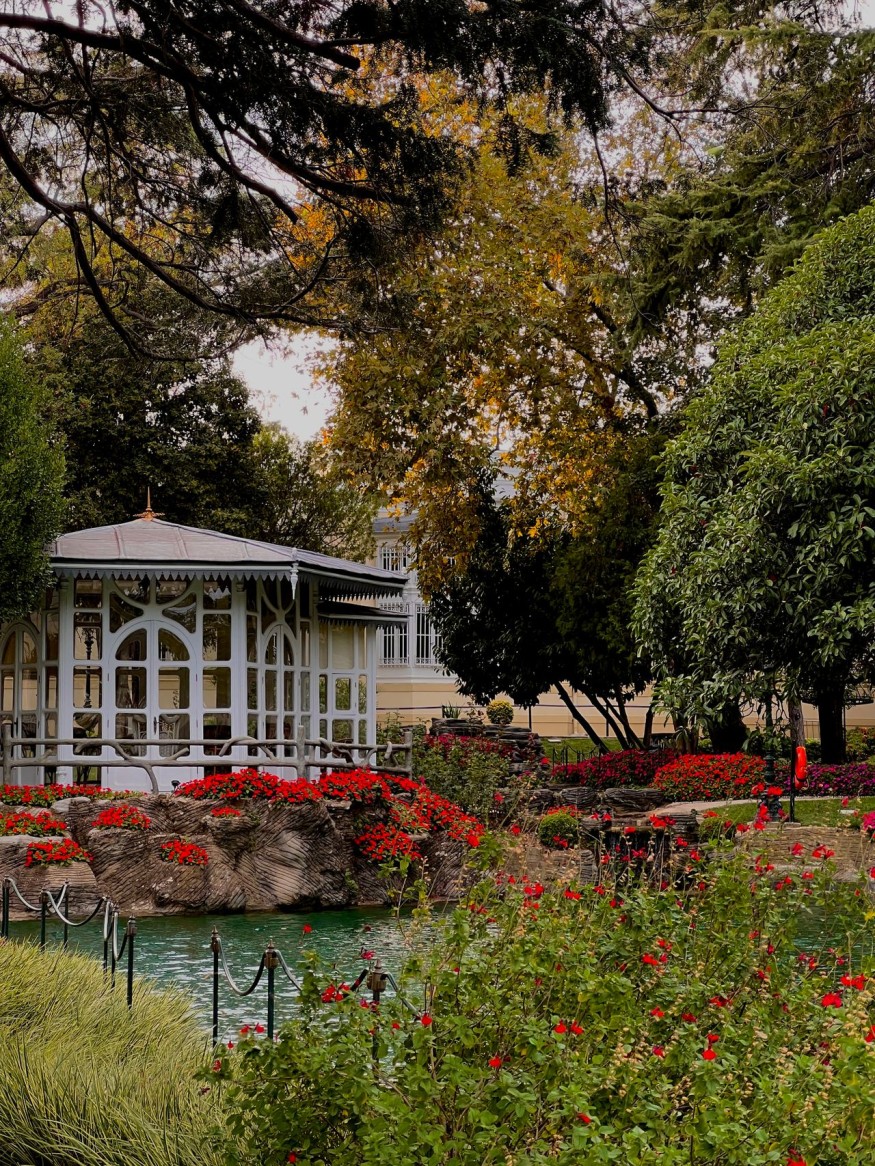
Plant selection can either reinforce or undermine a minimalist water feature. Contemporary landscapes often use plants with distinctive silhouettes and relatively simple forms rather than crowded collections of ornamental species.
Ornamental grasses can soften the edges of a concrete pool, while sculptural trees can provide shade and create reflections across a pond. Evergreen planting can also introduce privacy around a pool without requiring dense visual barriers.
Plants should be selected with practical considerations in mind. Root growth, falling leaves, irrigation needs, and proximity to pool equipment can all influence long-term maintenance. The best planting scheme provides contrast and softness while allowing the geometry of the water feature to remain visible.
What Materials Create a Modern Water Feature?
Material selection plays an important role in determining whether a pool or pond feels contemporary. Smooth concrete provides a strong architectural appearance, while natural stone can introduce warmth and texture. Porcelain and glass tile offer additional options for creating subtle color and reflective surfaces.
The surrounding hardscape should be considered at the same time. A pool deck that shares visual characteristics with an adjacent terrace can make the entire area feel more connected. For reflecting ponds, dark finishes can create stronger mirror-like effects, while lighter materials can produce a brighter, more open appearance.
Lighting can further enhance these materials after sunset. Underwater illumination, concealed path lighting, and architectural lighting can emphasize edges and reflections without overwhelming the landscape.
How Much Maintenance Do Modern Water Features Require?
Every water feature requires some level of maintenance, although the workload depends on its size, function, construction, and equipment. Swimming pools generally require regular filtration, cleaning, water treatment, and equipment checks. Reflecting ponds may require debris removal, circulation management, and measures to control algae.
Good planning can make maintenance considerably easier. Accessible filtration equipment, appropriate drainage, durable finishes, and properly designed circulation systems can reduce unnecessary upkeep. A minimalist appearance should not come at the expense of practical access to pumps, filters, drains, and other essential components.
Creating a More Cohesive Outdoor Space With Water
The strongest water designs do more than add a pool or pond to a backyard. They connect architecture, landscaping, materials, and outdoor living into one visual composition. A geometric pool can reinforce the lines of a contemporary home, while a reflecting pond can frame a garden or capture an architectural view.
Whether the project involves an expansive pool or a compact decorative pond, successful design comes down to proportion and integration. Modern swimming pool design, minimalist reflecting ponds, and thoughtfully planned backyard water features can each contribute to an outdoor space that feels calm, purposeful, and connected to the home.
Frequently Asked Questions
1. What is a modern swimming pool design?
A modern swimming pool design typically features clean lines, geometric shapes, streamlined materials, and a strong visual relationship with the surrounding architecture and landscape.
2. What is the purpose of a reflecting pond?
A reflecting pond is primarily a decorative water feature designed to mirror architecture, plants, sky, and surrounding landscape. Its calm surface creates visual depth and a sense of tranquility.
3. Are minimalist reflecting ponds difficult to maintain?
They require regular maintenance, including debris removal and water management. Proper circulation, drainage, filtration, and thoughtful placement can make ongoing care more manageable.
4. How can backyard water features improve a landscape?
Backyard water features can introduce reflection, texture, movement, and visual interest. When carefully positioned, they can also connect outdoor living areas with the home's architecture and surrounding garden.


From Render to Reality: How AI Is Changing the Way Homeowners Visualize Renovations

Recycled Building Materials Are Becoming Luxury Design Elements

Homes Designed for Extreme Weather Are Changing Residential Architecture

What Is a Mixed-Use Building? Benefits, Design Features, and Urban Impact

5 Home Bar Lighting Ideas That Make Any Space Feel More Sophisticated


