From Concrete Layers to Communities: The Future of 3D Printed Homes and Affordable Housing
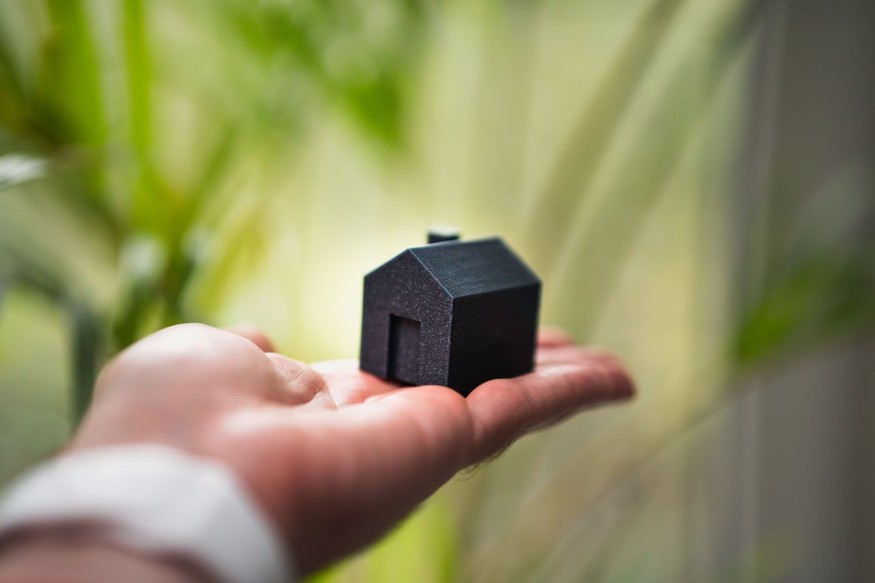
The idea of entire neighborhoods built by robots once sounded like science fiction. Today, 3D printed homes are becoming a real part of the construction conversation, with developers, architects, researchers, and housing organizations exploring whether automated building can help address the shortage of affordable housing.
Unlike traditional construction, large-scale 3D printing uses computer-controlled equipment to deposit building material layer by layer. The approach can speed up certain stages of construction, reduce material waste, and create forms that may be difficult or expensive to achieve using conventional methods.
Yet building one innovative house is very different from creating an entire community. For scalable affordable housing to become a reality, 3D printing needs to prove that it can work economically across multiple sites while meeting building codes, infrastructure requirements, and the everyday needs of residents.
What Are 3D-Printed Homes?
3D printed homes are structures produced, at least in part, with large-scale construction printers. Instead of workers assembling walls from individual blocks, bricks, or timber components, a printer follows a digital design and deposits successive layers of a specialized material.
The process is closely connected to additive manufacturing architecture, a field that applies principles from industrial 3D printing to buildings and other structures.
The technology does not necessarily print an entire finished house. In many projects, the printer primarily creates structural walls, while conventional construction teams install roofing, windows, doors, electrical systems, plumbing, insulation, fixtures, and interior finishes.
This distinction is important when evaluating claims about construction speed and affordability.
Read more: Beijing Named World Capital of Architecture 2029 as Heritage Meets Sustainable Urban Development
How Does 3D Printing Make Housing More Affordable?
The biggest attraction is the possibility of simplifying repetitive construction work. Automated equipment can operate according to precise digital instructions, potentially reducing labor requirements for certain tasks and allowing construction teams to focus on other stages of a project.
Material efficiency is another potential advantage. Because material is deposited only where the digital design calls for it, there can be less waste than with some conventional building methods.
However, the cost of a home involves much more than its walls. Land, site preparation, utility connections, permits, transportation, foundations, interior finishes, appliances, financing, and labor all contribute to the final price.
For that reason, 3D printed homes should not automatically be considered inexpensive simply because their walls can be produced quickly.
What Are the Benefits of 3D-Printed Communities?
The real opportunity for 3D printing may become clearer when the technology is applied to multiple homes rather than a single structure.
Potential advantages include:
- Faster production of repeated home designs
- More precise and consistent wall construction
- Reduced construction material waste
- Greater design flexibility through digital modeling
- Potentially lower labor requirements for selected construction tasks
A community with similar housing layouts could particularly benefit from repeatable digital designs. Once a construction workflow has been tested, the same basic process could potentially be adapted across several homes.
That could make 3D printing especially interesting for workforce housing, starter homes, disaster recovery projects, and other developments where speed and repeatability matter.
Can 3D Printing Solve the Affordable Housing Crisis?
Not by itself. Housing affordability is influenced by far more than construction technology.
A community can have an efficient building method and still be expensive if suitable land is costly or if zoning restrictions, infrastructure requirements, financing, and permitting create significant expenses.
This is why the most realistic role for 3D printing may be as one component of a broader housing strategy. Scalable affordable housing requires efficient construction alongside thoughtful land use, infrastructure planning, financing, and policies that support attainable home prices.
The technology can potentially address some construction challenges, but it cannot remove every barrier that makes housing expensive.
What Is Holding 3D-Printed Housing Back?
Moving from experimental homes to large communities introduces several practical questions. Building codes need to accommodate new construction methods, while local authorities and engineers must evaluate structural performance and safety.
There are also logistical considerations. Large printers need to be transported and positioned at construction sites, and crews require specialized knowledge to operate the equipment and manage the printing process.
Traditional construction trades remain essential as well. A printed wall does not install a kitchen, connect a water supply, wire a lighting system, or finish an interior.
Material selection presents another challenge. Many current construction printing systems rely on cement-based materials, which raises questions about embodied carbon and long-term environmental performance.
Is 3D-Printed Architecture Sustainable?
Additive manufacturing architecture has the potential to reduce waste by depositing material according to a precise digital model. It can also make certain structural shapes possible without requiring extensive molds or manual fabrication.
However, sustainability depends on the complete building system rather than the printer alone.
The material being printed, energy used during production, transportation, building lifespan, maintenance requirements, and eventual reuse or demolition all matter. A construction process that produces less waste can still have environmental drawbacks if its primary materials have a substantial carbon footprint.
Future advances in lower-carbon printable materials could therefore be just as important as improvements in printing equipment.
Can 3D Printing Be Used for Mass Housing?
The technology has potential, but mass adoption requires more than faster printers. A truly scalable system needs reliable material supplies, repeatable construction workflows, trained crews, efficient site logistics, and clear regulatory pathways.
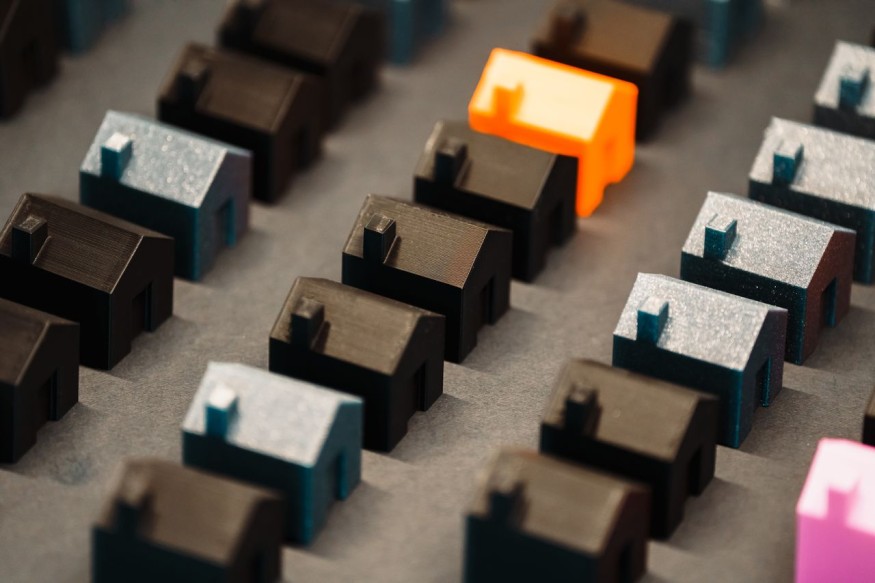
Community projects are particularly valuable because they test whether the technology can maintain its advantages across several homes instead of producing a single showcase property.
The strongest case for 3D printing may ultimately involve hybrid construction. Printers could handle structural walls while conventional methods and prefabricated components handle the rest of the building.
That approach could make additive manufacturing architecture less about replacing traditional construction and more about improving the parts of the process that benefit most from automation.
The Future of 3D-Printed Communities Is Taking Shape
3D printed homes have moved beyond the realm of futuristic concepts, but their role in affordable housing is still developing. The technology offers intriguing possibilities for faster construction, material efficiency, digital design, and repeatable building processes.
Its biggest test will be whether those advantages can translate into communities that are genuinely affordable, durable, attractive, and practical for residents.
For now, 3D printing is best viewed as an emerging construction tool rather than a complete answer to the housing shortage. As equipment, materials, regulations, and building systems mature, it could become an increasingly useful part of the strategy for creating scalable affordable housing.
Frequently Asked Questions
1. How long does it take to 3D print a house?
The printing stage can be considerably faster than many conventional wall-building methods, but the complete construction timeline depends on the home's design, site conditions, permitting, utilities, roofing, mechanical systems, and interior finishes.
2. Are 3D-printed homes cheaper than traditional homes?
They can potentially reduce costs in specific areas, particularly repetitive construction and material waste. However, the total price also depends on land, labor, infrastructure, finishing work, equipment, and local regulations.
3. Are 3D-printed homes safe?
When designed, printed, inspected, and finished according to applicable building requirements, 3D-printed structures can be engineered for residential use. Safety depends on the complete construction system, not simply the printing process.
4. Will 3D-printed homes become common?
Their use is likely to expand as construction companies gain experience and regulatory frameworks develop. Wider adoption will depend on whether the technology can consistently demonstrate practical costs, durability, efficiency, and value at community scale.


Cold Minimalism Is Losing Ground. This Is What Designers Want Instead

The New Desert Architecture Is Designed to Work With the Landscape

Recycled Building Materials Are Becoming Luxury Design Elements

Is 2016 Interior Design Making a Comeback? What the Nostalgia Trend Reveals

The Invisible Design Details That Make a Home Feel More Comfortable


