El Niño Gardening Guide: Ways to Protect Your Lawn and Plants From Heat and Drought
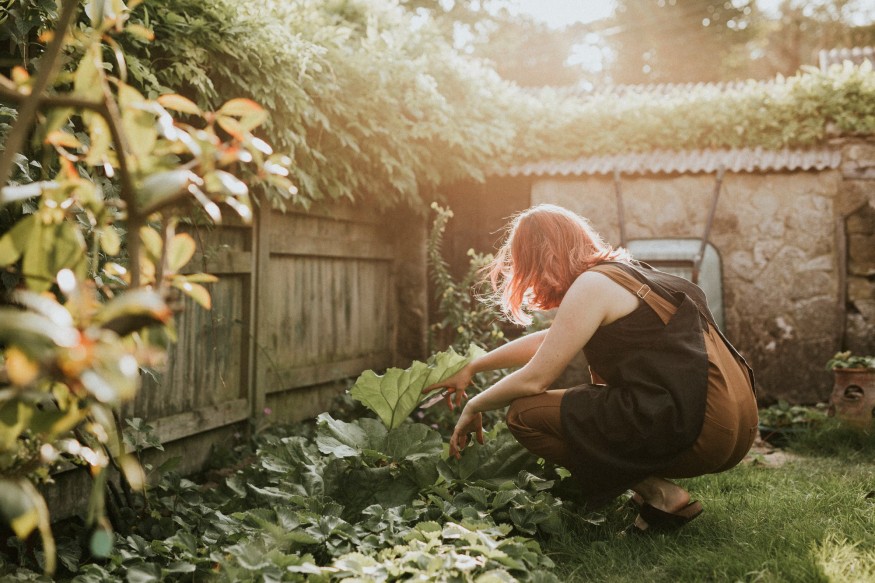
El Niño can influence weather patterns around the world, bringing changes in rainfall, temperature, and seasonal conditions that affect residential landscapes. For homeowners and gardeners, these shifts can mean adjusting watering routines, protecting vulnerable plants, and reconsidering how lawns and garden beds are maintained.
The climate phenomenon occurs when sea surface temperatures in the central and eastern tropical Pacific Ocean become warmer than average, influencing atmospheric circulation and weather patterns across different regions.
The current El Niño event is particularly important for gardeners preparing for the 2026–2027 season. According to the World Meteorological Organization, the event is expected to remain strong and potentially intensify, with impacts on global rainfall and temperature patterns extending into 2027. In the Philippines, PAGASA reported on October 21, 2026, that a strong to very strong El Niño was present and could persist into the first quarter of 2027.
However, El Niño does not produce identical weather conditions everywhere. Some regions may experience prolonged dry spells, while others could encounter increased rainfall or flooding. Gardeners should therefore pay attention to local forecasts rather than assume that their outdoor spaces will experience the same effects.
How El Niño Can Change Lawn and Garden Conditions
One of the most noticeable potential effects of El Niño is reduced rainfall in areas that typically experience drier conditions during the phenomenon. When natural precipitation becomes less frequent, garden soil can lose moisture more quickly, leaving plants vulnerable to water stress.
Higher temperatures can intensify the problem by increasing evaporation from soil surfaces and water loss through plant leaves. Lawns may develop brown patches, flowers may wilt more frequently, and newly planted shrubs can struggle to establish their root systems.
Extended dry periods can also affect soil structure and plant health. Dry soil may become compacted or develop a hard surface that makes water absorption more difficult. Plants weakened by prolonged stress may also become more susceptible to pests and certain diseases.
These conditions do not necessarily mean that every lawn will deteriorate. Established plants and suitable grass varieties can tolerate periods of limited rainfall, particularly when their root systems are healthy and the soil is properly maintained.
Adjust Watering Habits to Conserve Moisture
Water management becomes especially important during periods of reduced rainfall. Rather than watering gardens frequently with small amounts of water, homeowners can prioritize deeper irrigation that reaches the root zones of plants.
Watering early in the morning is generally preferable because cooler temperatures reduce evaporation. Drip irrigation and soaker hoses can also deliver water more directly to plant roots, limiting waste from runoff and overspray.
It is equally important to assess soil moisture before watering. A garden that appears dry on the surface may still contain sufficient moisture below ground, while newly planted specimens may need more frequent attention.
The University of Minnesota Extension's guide to watering during extreme drought recommends prioritizing plants according to their water needs and using moisture-conserving practices to maintain landscape health.
Apply Mulch to Protect Garden Beds
Mulching is one of the simplest ways to help gardens retain moisture during dry weather. Organic materials such as shredded bark, wood chips, compost, and dried leaves can reduce evaporation while helping regulate soil temperature.
A layer of approximately two to three inches of suitable mulch is generally useful for many garden beds, although the appropriate depth depends on the material and planting conditions.
Mulch also helps suppress weeds, which otherwise compete with ornamental plants for available water and nutrients.
When applying mulch around trees and shrubs, it should be distributed evenly without piling it directly against trunks or stems. Excessive moisture around the base of a plant can encourage rot and other problems.
Choose Plants That Can Tolerate Dry Conditions
A garden designed around local climate conditions is generally easier to maintain during periods of limited rainfall. Gardeners can consider drought-tolerant species that naturally require less supplemental irrigation once established.
Depending on the region, suitable options may include ornamental grasses, lavender, salvia, sedum, and certain native flowering plants.
However, drought tolerance should not be confused with an ability to survive without water immediately after planting. Newly established plants still require consistent moisture while their roots develop.
Homeowners planning major landscaping projects may benefit from selecting species native to their area. Native plants are often better adapted to local rainfall patterns, soil conditions, and seasonal temperature fluctuations.
Give Lawns the Right Kind of Attention
Lawns can be particularly vulnerable during prolonged dry periods, but homeowners do not necessarily need to maintain perfectly green grass throughout every seasonal weather change.
Some grass varieties naturally enter dormancy when moisture becomes limited. Their blades may turn brown, but the underground growing points can remain alive until rainfall and temperatures become more favorable.
Mowing practices can influence how well grass handles these conditions. Raising the mowing height helps protect the soil from direct sunlight and supports healthier root development. Cutting grass too short can increase moisture loss and expose the soil to additional heat.
Homeowners should also avoid excessive fertilization during severe drought. Encouraging fresh growth when water is limited can place additional stress on lawns and ornamental plants.
Protect Vulnerable Plants From Excessive Heat
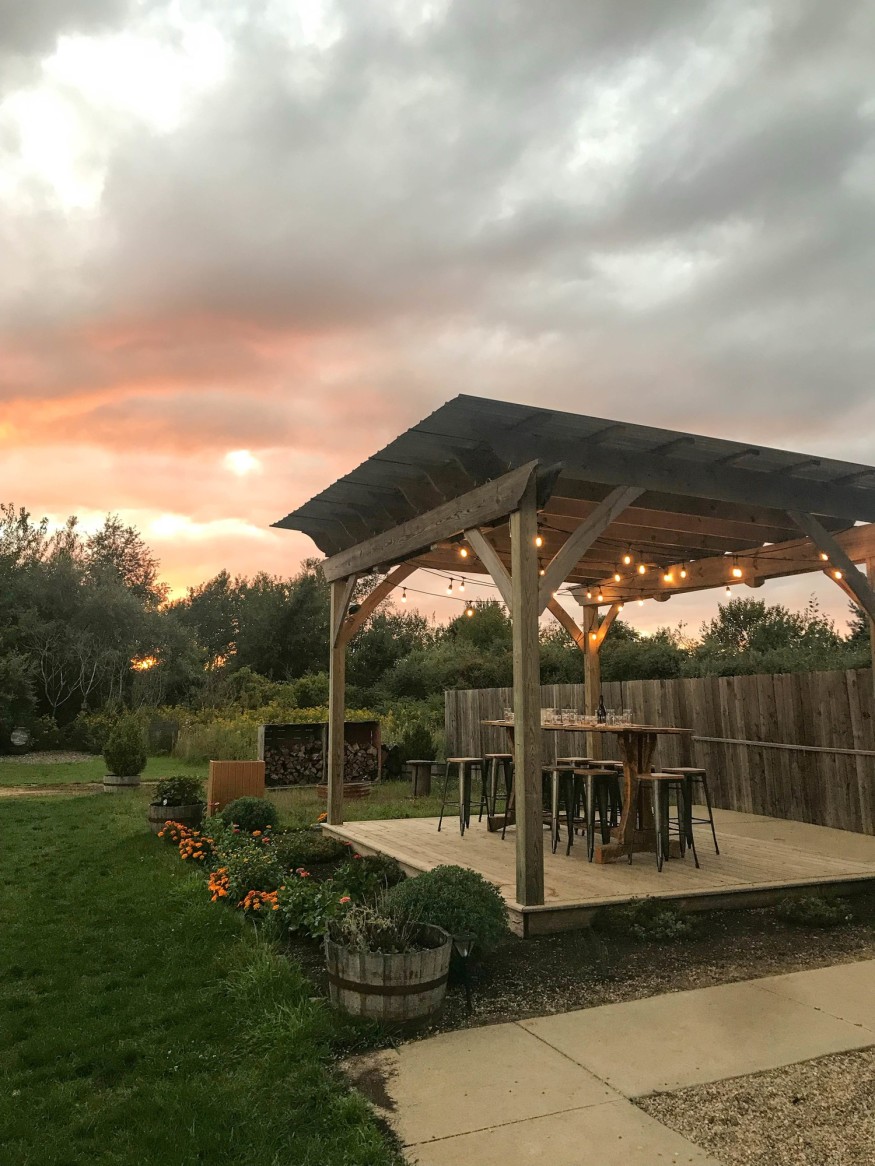
Plants growing in exposed areas may benefit from temporary protection during particularly hot periods. Shade cloth, strategically placed umbrellas, or temporary screens can help reduce direct sun exposure for heat-sensitive specimens.
Container gardens require special attention because pots contain a relatively small volume of soil that can dry out quickly. Moving containers into partially shaded areas and using moisture-retentive potting mixes can help reduce watering demands.
Newly planted trees and shrubs should also be monitored closely. Their root systems may not yet extend far enough into surrounding soil to access moisture during prolonged dry spells.
Make Garden Maintenance More Climate-Resilient
El Niño is a reminder that outdoor spaces benefit from thoughtful planning rather than relying entirely on predictable seasonal rainfall.
Improving soil quality, applying mulch, maintaining irrigation systems, and choosing plants suited to local conditions can make residential landscapes more resilient. Homeowners should also monitor official weather advisories because localized rain events, storms, and other weather systems can still occur during El Niño.
A climate-conscious garden does not have to sacrifice beauty. By combining water-efficient landscaping with appropriate plant choices, homeowners can create outdoor spaces that remain attractive and manageable even when weather conditions become less predictable.
A Healthier Garden Starts With Better Preparation
Preparing for El Niño involves more than increasing watering schedules. It requires understanding local climate conditions, protecting soil moisture, and making practical decisions about plant selection and lawn maintenance.
With a more considered approach to irrigation and landscape design, homeowners can reduce unnecessary water use while helping their gardens remain healthy through changing weather patterns.
Frequently Asked Questions
1. Does El Niño cause gardens to dry out?
El Niño can increase the likelihood of below-normal rainfall in certain regions, which may contribute to dry soil and plant stress. Its effects vary depending on location and local weather patterns.
2. How often should plants be watered during El Niño?
There is no universal watering schedule. Gardeners should check soil moisture, consider plant requirements, and water deeply when necessary rather than following a fixed daily routine.
3. What plants are best for gardens during drought conditions?
Drought-tolerant plants such as lavender, salvia, sedum, and suitable native species can be good choices. The best varieties depend on local temperatures, soil conditions, and rainfall patterns.
4. Should lawns be watered more frequently during El Niño?
Not necessarily. Homeowners should prioritize efficient irrigation, appropriate mowing heights, and soil moisture monitoring. Some established grass varieties can also tolerate temporary dormancy during dry periods.


Oheka Castle, Featured in Taylor Swift's 'Blank Space' Video, Sells for $72 Million

El Niño Gardening Guide: Ways to Protect Your Lawn and Plants From Heat and Drought

Florals, Gingham, and Chintz Are Among the Biggest Pattern Trends for 2027

IKEA's New Art Collection Turns Everyday Home Decor Into Affordable Designer Art

Sherwin-Williams's 2027 Color Forecast Unveils 48 Rich Colors to Refresh Your Home in 2027


