How to Organize a Kitchen Pantry: 6 Expert-Approved Steps to Try
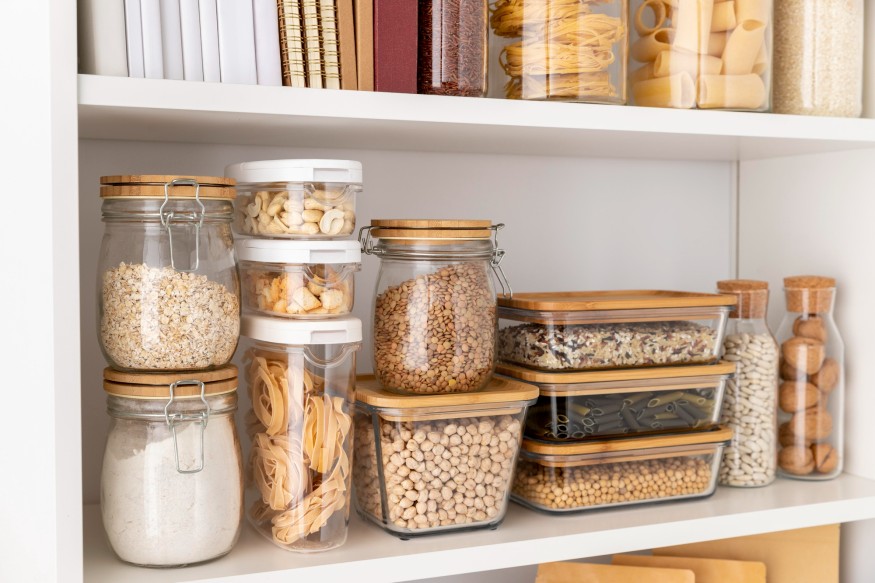
A well-organized kitchen pantry can make everyday cooking, grocery shopping, and meal preparation considerably easier. When food items are arranged logically and stored in accessible places, households can spend less time searching for ingredients and are less likely to overlook products already tucked away on the shelves. However, keeping a pantry organized requires more than purchasing matching containers or arranging dry goods by color.
Professional organizers generally recommend beginning with a practical assessment of the available space, the household's shopping habits, and the types of ingredients used most frequently. The goal is to create a system that makes everyday items easy to find while allowing less frequently used products to remain accessible without contributing to clutter.
Whether a kitchen has a walk-in pantry, a narrow cabinet, or a few dedicated shelves, these six steps can help establish a more efficient storage system.
1. Empty the Pantry and Remove Unnecessary Items
The first step is to remove everything from the pantry. Organizing around existing clutter can make it difficult to identify how much storage space is available and which items genuinely need to remain.
Once the shelves are empty, check expiration dates, packaging conditions, and the overall quality of stored food. Discard expired products and anything that shows signs of spoilage or pest contamination. Unopened, unexpired products that are no longer needed may be suitable for donation, provided they meet local food bank requirements.
This process also helps identify duplicate purchases. Finding three open bags of flour or several packages of the same pasta can reveal where the existing storage system is failing.
Before returning anything, wipe down shelves, corners, and storage surfaces. Allow them to dry completely before placing food back inside.
2. Group Pantry Items by Category
Grouping similar ingredients together makes a pantry easier to navigate. Instead of arranging products according to packaging size or appearance, create categories based on how household members use them.
Common pantry categories include:
- Baking supplies: Flour, sugar, baking powder, chocolate chips, and decorating ingredients.
- Grains and pasta: Rice, noodles, oats, couscous, and dried pasta.
- Canned and jarred foods: Vegetables, beans, sauces, soups, and preserved ingredients.
- Snacks: Crackers, nuts, biscuits, cereal bars, and packaged treats.
- Breakfast essentials: Cereal, granola, spreads, and pancake mixes.
Additional categories can be created for beverages, cooking oils, spices, and frequently used condiments, depending on the available space.
The most important consideration is consistency. When every item has a designated category, household members can return products to their proper locations instead of leaving them wherever space is available.
3. Assign Shelves According to Accessibility
An effective pantry organization system considers how frequently different products are used. Everyday essentials should be placed where they are easiest to reach, while occasional ingredients can occupy higher or less accessible shelves.
Eye-level shelves are generally suitable for frequently used ingredients such as breakfast cereals, pasta, cooking staples, and snacks. Lower shelves can accommodate heavier items, including large rice containers, bulk food packages, and bottled products.
Upper shelves are better suited to lightweight products that are not needed regularly. However, heavy glass containers and bulky food packages should not be stored overhead, where retrieving them could create unnecessary safety risks.
For households with children, a designated lower shelf can hold suitable snacks and lunchbox supplies. This allows children to access appropriate items without disturbing the rest of the pantry.
4. Choose the Right Storage Containers
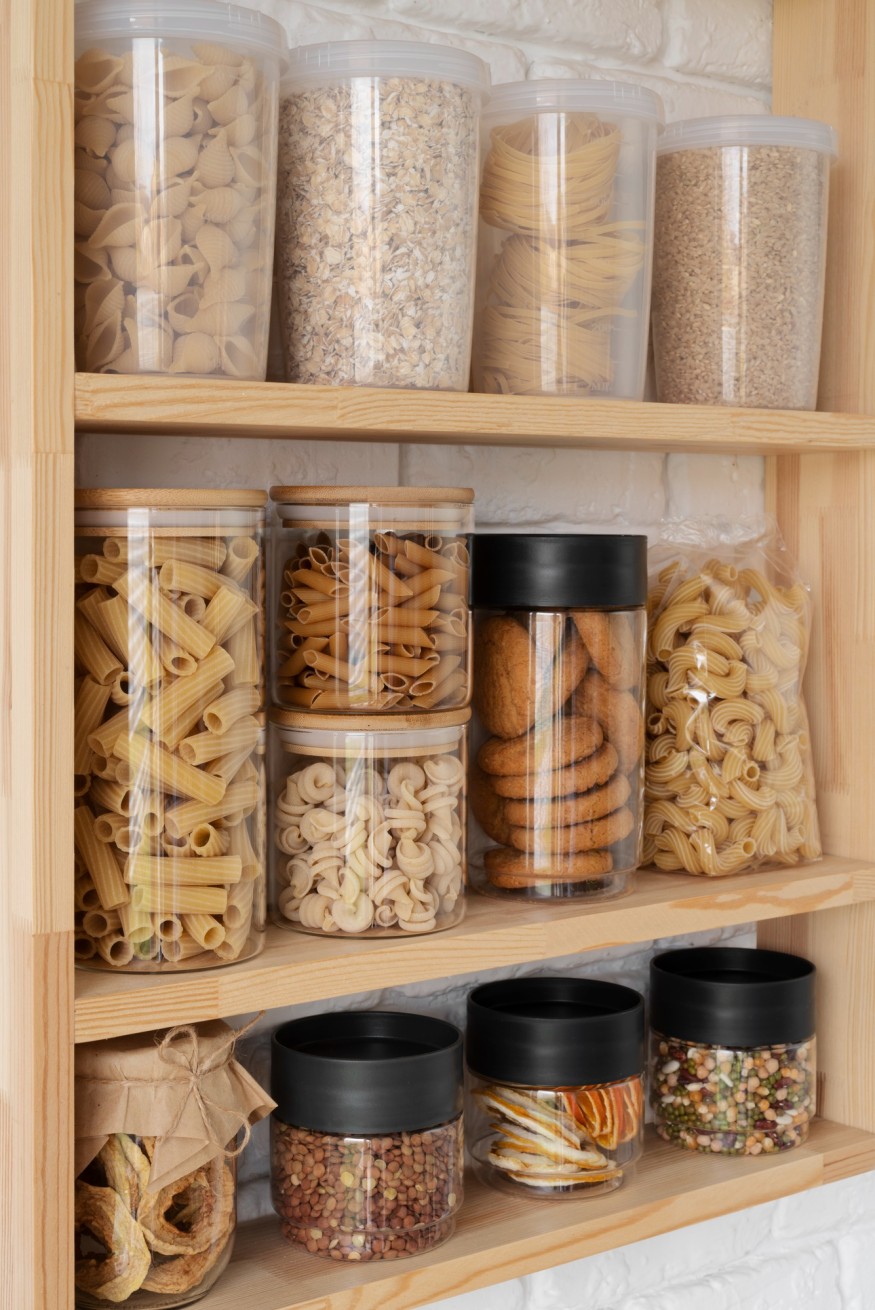
Storage containers can make a pantry look more cohesive, but their practical purpose is just as important. Airtight containers can help protect suitable dry ingredients from moisture and pests while making it easier to see how much food remains.
Clear containers are particularly useful for frequently used staples such as rice, pasta, flour, oats, and cereal. They make inventory checks easier and reduce the likelihood of purchasing products that are already available.
Before transferring food, check that containers are clean, completely dry, and appropriate for food storage. Keep original packaging information, including expiration dates and preparation instructions, accessible when needed. Products that require specific storage conditions should always follow their packaging guidance.
Not every pantry item needs to be decanted. Canned goods, sealed packages, and products with useful original packaging can remain in their containers. The objective is functionality rather than creating an entirely uniform display.
5. Introduce Baskets, Bins, and Labels
Baskets and storage bins help contain smaller products that might otherwise become scattered across shelves. They are particularly useful for snack packets, seasoning sachets, baking accessories, and individually packaged ingredients.
Choose containers that fit the pantry's dimensions rather than purchasing storage accessories before measuring the available shelves. Pull-out bins can be useful for deep cabinets, where products at the back are easily forgotten.
Labels provide another layer of organization. They can identify categories, distinguish similar ingredients, and help household members understand where products belong. For decanted food, labels can also include the ingredient name and relevant storage information.
6. Maintain the Organization With Regular Checks
Even a carefully organized pantry can become cluttered again without a maintenance routine. Regularly checking supplies helps prevent expired products, forgotten ingredients, and unnecessary duplicate purchases from accumulating.
A quick inventory before grocery shopping can help identify what needs replacing. The first-in, first-out method is also useful: place older products toward the front and newer purchases behind them, provided both remain safely within their recommended storage periods.
Households can also establish a short weekly reset. Returning misplaced items, wiping spills, and checking frequently used ingredients can prevent small organizational problems from becoming larger ones.
A Well-Organized Pantry Makes Everyday Kitchen Tasks Easier
A functional kitchen pantry should reflect the needs of the household rather than simply follow an aesthetic trend. Decluttering, grouping similar ingredients, assigning accessible shelves, and choosing appropriate containers establish a system that supports everyday routines.
With consistent maintenance, even a compact pantry can become easier to navigate. The best organization system is ultimately one that household members can understand, use, and maintain without requiring constant rearrangement.
Frequently Asked Questions
1. How often should a kitchen pantry be reorganized?
A quick weekly check can help maintain order, while a more thorough review every few months allows households to remove expired products and reassess storage needs.
2. What is the best way to organize a small kitchen pantry?
Use vertical space, group similar products, introduce appropriately sized bins, and prioritize frequently used ingredients on accessible shelves.
3. Are clear pantry containers better than original packaging?
Clear airtight containers can improve visibility and storage for suitable dry goods. However, original packaging is often preferable when it contains important product information or specific storage instructions.
4. How can pantry organization prevent food waste?
Keeping ingredients visible, checking expiration dates, and maintaining an inventory can help households use existing supplies before purchasing additional products.


Meghan Trainor Puts Her Lavish Encino Estate on the Market for Nearly $18 Million

The High-Gloss Paint Trick Designers Use to Make Kitchens Look More Expensive

IKEA's New Art Collection Turns Everyday Home Decor Into Affordable Designer Art

Sherwin-Williams's 2027 Color Forecast Unveils 48 Rich Colors to Refresh Your Home in 2027

Modern Kids' Rooms Are Changing: The Kids' Bedroom Ideas Designers Want Now


