The Best Rooftop Garden Design Ideas for Small Urban Terraces and Skyline Spaces
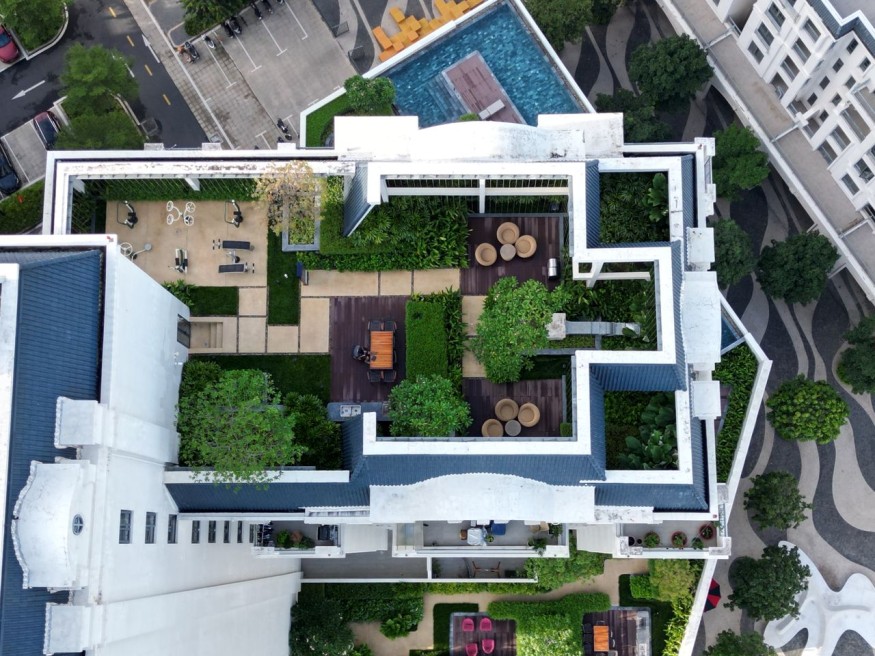
In cities where outdoor space is often limited to a balcony or narrow terrace, the rooftop can become an overlooked opportunity for greenery and relaxation. With thoughtful planning, even a compact roof can function as a private garden, entertaining area, or peaceful retreat above the streets.
Effective rooftop garden design is less about filling every available inch with plants and more about making each element serve a purpose. Carefully selected containers, vertical greenery, comfortable seating, and practical surfaces can transform an exposed rooftop into an inviting outdoor room. For homeowners and apartment dwellers, these ideas also offer inspiration for making the most of limited square footage.
Start With a Purpose for the Rooftop
Before selecting plants or furniture, it helps to determine how the rooftop will actually be used. A space intended for morning coffee will require a different layout from one designed for outdoor dining or entertaining guests.
A small rooftop can accommodate several functions, but each zone should remain clearly defined. A compact dining table might occupy one corner, while a built-in bench or lounge chair creates a separate place for relaxing. Keeping the center relatively open can also make the entire terrace feel more spacious.
The surrounding skyline should also be considered. Rather than blocking every view, planting can be positioned strategically around the perimeter to frame attractive sights while creating privacy where it is needed most.
How Do You Design a Small Rooftop Garden?
Successful rooftop garden design begins with scale. Oversized planters, bulky furniture, and too many decorative elements can quickly make a small terrace feel crowded.
Vertical gardening is one of the most useful solutions. Trellises, wall-mounted planters, climbing plants, and tiered containers introduce greenery without taking up much floor space. Taller plants can also create a sense of enclosure, making an open rooftop feel more like a garden room.
Repeating materials and plant varieties can further establish visual continuity. Instead of using several unrelated finishes, a limited selection of decking, stone, metal, or ceramic elements can create a more cohesive appearance.
Choose Plants That Can Handle Rooftop Conditions
Rooftop gardens can be considerably more demanding than gardens at ground level. Plants may encounter intense sunlight, strong winds, reflected heat, and rapid changes in moisture.
Plant selection should therefore focus on resilience as well as appearance. Climate-appropriate perennials, ornamental grasses, compact shrubs, herbs, and certain edible plants can work well when their growing requirements match the conditions.
Containers also deserve attention. They should provide adequate drainage and be stable enough to withstand windy conditions. Grouping plants according to their watering needs makes maintenance easier and helps prevent some plants from receiving too much or too little moisture.
Small Space Outdoor Ideas That Make a Difference
A compact rooftop does not need elaborate landscaping to feel finished. A few intentional features can create the atmosphere of a much larger garden.
- Use built-in seating: Benches positioned along walls or railings can provide seating without consuming as much floor space as individual chairs.
- Create a vertical garden: Trellises and climbing plants add height while leaving valuable walking and seating areas open.
- Add a compact dining area: A small bistro table can turn an unused corner into a practical breakfast or evening dining spot.
- Layer container plants: Combining plants at different heights creates depth and makes a limited planting area appear fuller.
- Introduce soft lighting: Outdoor lanterns or discreet lighting can make the rooftop more inviting after sunset without overwhelming the design.
How Can a Rooftop Garden Create More Privacy?
Privacy is often a major concern in urban terrace landscaping because neighboring buildings can overlook rooftop spaces. Solid walls are not always the best solution, particularly when they take up valuable space or interfere with airflow.
Instead, planters with taller vegetation can form a natural screen around seating areas. Trellises covered with climbing plants offer another option while adding texture and greenery. Ornamental grasses can provide movement and partial screening without creating the visual heaviness of a traditional fence.
Privacy does not necessarily need to cover the entire rooftop. Concentrating screening around a lounge chair, dining table, or other frequently used area can provide a more comfortable retreat while preserving open views elsewhere.
Select Furniture That Fits the Footprint
Furniture can determine whether a small rooftop feels comfortable or congested. Pieces should be proportionate to the available space and durable enough for outdoor exposure.
Foldable chairs, nesting tables, compact loungers, and storage benches can provide flexibility. A bench with hidden storage can also hold cushions, gardening tools, or other outdoor accessories.
Color and material choices matter as well. Furniture that complements the surrounding architecture can help the garden feel like an extension of the home rather than a collection of unrelated outdoor objects.
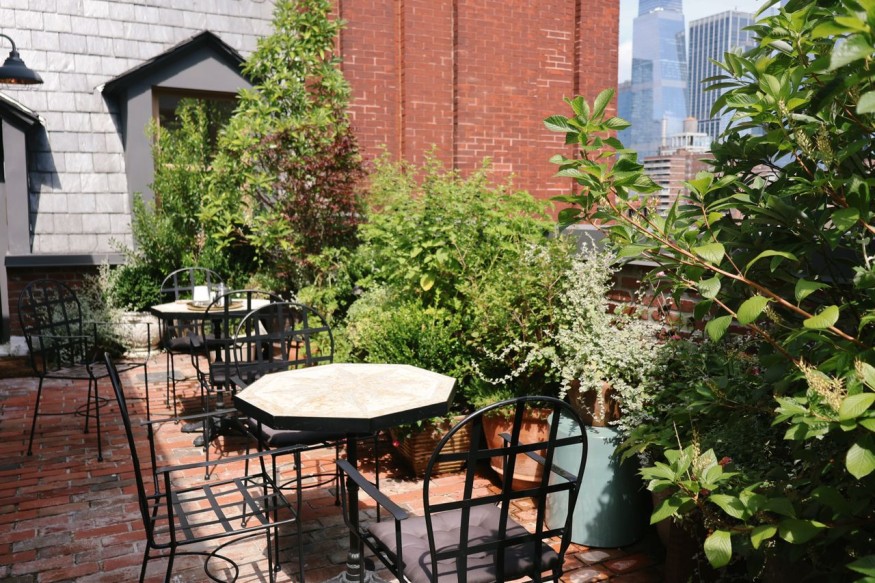
How Do You Make a Small Rooftop Look Bigger?
Visual simplicity can make a significant difference. Keeping pathways unobstructed and positioning larger plants toward the edges allows the center to remain visually open.
A consistent flooring material can also help connect separate zones. Large-format pavers or continuous decking may create fewer visual interruptions than numerous small materials. Similarly, repeating the same planter style throughout the space can make the design feel more intentional.
Vertical elements draw attention upward, which can make a rooftop feel less confined. A slim pergola, climbing plant, or tall planter can add architectural interest without requiring a large footprint.
Protect the Garden From Wind, Heat, and Water
Rooftop landscaping requires more than aesthetic planning. Before installation, the roof should be evaluated for structural capacity, waterproofing, drainage, and safe access. The added weight of soil, containers, furniture, and water can be significant.
Wind exposure is another important consideration. Lightweight pots and furniture may need to be secured, while plants should be selected according to local conditions. Shade structures can help manage harsh sunlight, while appropriate irrigation can keep plants healthy during hot periods.
Drainage should never be overlooked. Containers need drainage holes, and the overall rooftop system should be designed so water does not accumulate where it could damage the building.
Build a More Sustainable Rooftop Retreat
A well-planned rooftop garden can support a more environmentally conscious approach to urban living. Native and climate-adapted plants can provide habitat for pollinators while generally fitting local growing conditions more effectively.
Efficient irrigation, durable furniture, reclaimed materials, and responsibly sourced planters can also reduce unnecessary resource use. Edible plants such as herbs and compact vegetables can give a decorative garden a practical purpose.
The most sustainable approach is often the simplest one: select plants that naturally suit the environment, avoid unnecessary replacements, and design the space around long-term use rather than short-lived trends.
Turn a Small Rooftop Into a Personal Urban Sanctuary
A rooftop does not need the scale of a backyard to become a meaningful outdoor space. Good rooftop garden design combines practical planning with planting, furniture, privacy, and lighting that suit the dimensions of the terrace.
Through thoughtful urban terrace landscaping, even a modest roof can provide room for dining, gardening, entertaining, or simply enjoying fresh air above the city. The best small space outdoor ideas work with the limitations of the space rather than trying to hide them, creating a rooftop that feels intentional, comfortable, and connected to its surroundings.
Frequently Asked Questions
1. What is the best layout for a small rooftop garden?
The best layout depends on how the rooftop will be used, but perimeter planting, compact furniture, defined activity zones, and an unobstructed central pathway can help maximize available space.
2. What plants are best for rooftop gardens?
Plants that tolerate local sunlight, heat, wind, and changing moisture conditions are generally suitable. Climate-adapted perennials, ornamental grasses, herbs, and compact shrubs are common options.
3. How can a small rooftop garden feel more private?
Tall planters, trellises, climbing plants, and ornamental grasses can create privacy around seating and dining areas without completely enclosing the rooftop or blocking desirable views.
4. What should be checked before creating a rooftop garden?
Structural capacity, waterproofing, drainage, access, irrigation, and local building requirements should be assessed before adding substantial planters, soil, furniture, or other features.


Cold Minimalism Is Losing Ground. This Is What Designers Want Instead

The New Desert Architecture Is Designed to Work With the Landscape

Recycled Building Materials Are Becoming Luxury Design Elements

Is 2016 Interior Design Making a Comeback? What the Nostalgia Trend Reveals

The Invisible Design Details That Make a Home Feel More Comfortable


