Are Rising Prices Taking the Bargain Out of Furniture Thrift Shopping?
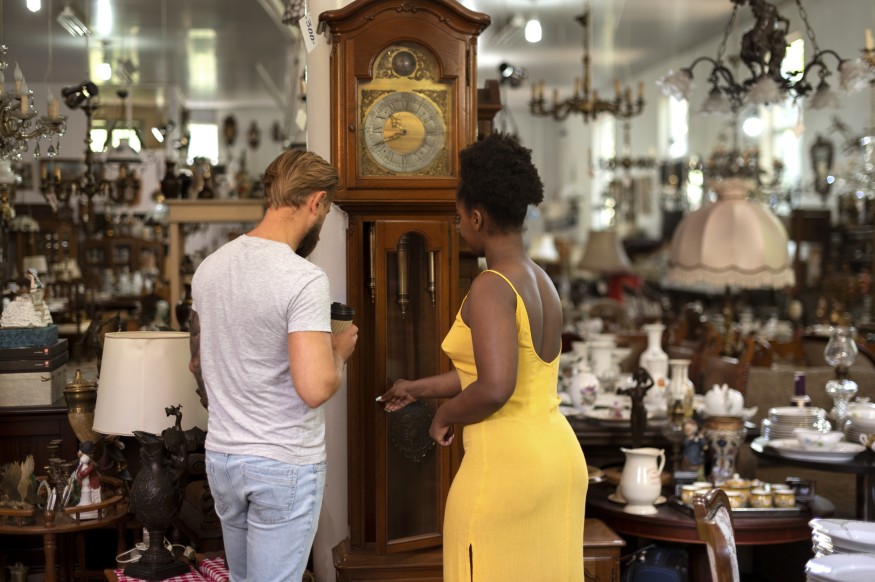
Thrift stores have traditionally appealed to shoppers looking for affordable furniture, vintage accessories, and unique home finds without paying full retail prices. However, the experience of discovering an inexpensive secondhand treasure may be changing. As more consumers embrace vintage interiors, sustainable shopping, and pre-owned furniture, some shoppers are questioning whether thrift stores still offer the bargains that once made them attractive.
Furniture pieces that might previously have been considered inexpensive secondhand purchases can now carry surprisingly high price tags, particularly when they feature recognizable designers, desirable materials, or vintage styling. While some shoppers appreciate the opportunity to purchase distinctive pieces, others feel that the growing popularity of thrifting has made affordable decorating more difficult.
The issue extends beyond furniture. Across the secondhand retail market, shoppers have raised concerns about pricing practices, online resale competition, and the increasing commercialization of thrift shopping. However, experts suggest that several factors influence how secondhand stores determine the value of their merchandise.
Why Are Thrift Store Prices Increasing?
The growing interest in secondhand shopping has changed how retailers approach donated and pre-owned merchandise. Vintage furniture, collectible home accessories, and recognizable design pieces are increasingly viewed as desirable products rather than inexpensive alternatives to new retail purchases.
Online marketplaces have also made it easier for stores to research the potential resale value of individual items. A vintage cabinet, for example, may be priced according to its manufacturer, condition, age, and demand rather than simply being categorized as used furniture.
According to experts interviewed by Martha Stewart, thrift stores may compare their merchandise with prices across online resale platforms when determining what individual pieces should cost.
This approach can make certain items more expensive than shoppers expect, particularly when they are considered collectible or desirable within the current interior design market.
Operating Costs Also Influence Pricing
Another factor behind secondhand pricing is the cost of running a physical retail store. Although many thrift stores operate as nonprofit organizations, they still have expenses associated with rent, utilities, staffing, transportation, inventory management, and daily operations.
Furniture also requires additional handling compared with smaller donated items. Large pieces may need to be transported, inspected, cleaned, repaired, or prepared for display before becoming available for purchase.
These responsibilities can influence the final selling price. Stores with paid employees and larger retail spaces may have different operating expenses from smaller community-run organizations that rely heavily on volunteers.
Nonprofit status also does not necessarily mean every item will be sold at the lowest possible price. Many charitable retailers use sales revenue to support employment programs, community initiatives, and other services.
The Growing Popularity of Vintage Interiors
The renewed interest in vintage and collected interiors has contributed to demand for secondhand furniture. Rather than furnishing an entire home with matching contemporary pieces, many homeowners now incorporate older furniture, antique accessories, and distinctive decorative objects to create more individual spaces.
Vintage wooden cabinets, midcentury chairs, traditional sideboards, and sculptural coffee tables can introduce character that mass-produced furniture may lack.
Social media has also increased exposure to secondhand decorating. Interior creators frequently showcase thrifted transformations, antique shopping discoveries, and furniture restoration projects, encouraging more people to explore pre-owned pieces.
However, greater demand can affect availability and pricing. When a particular furniture style becomes popular, shoppers may encounter more competition for desirable pieces.
This does not mean every secondhand item has become expensive. Rather, the market has become more varied, with everyday used furniture, collectible antiques, and professionally curated vintage pieces occupying different price categories.
Are Thrift Stores Still Worth Visiting?
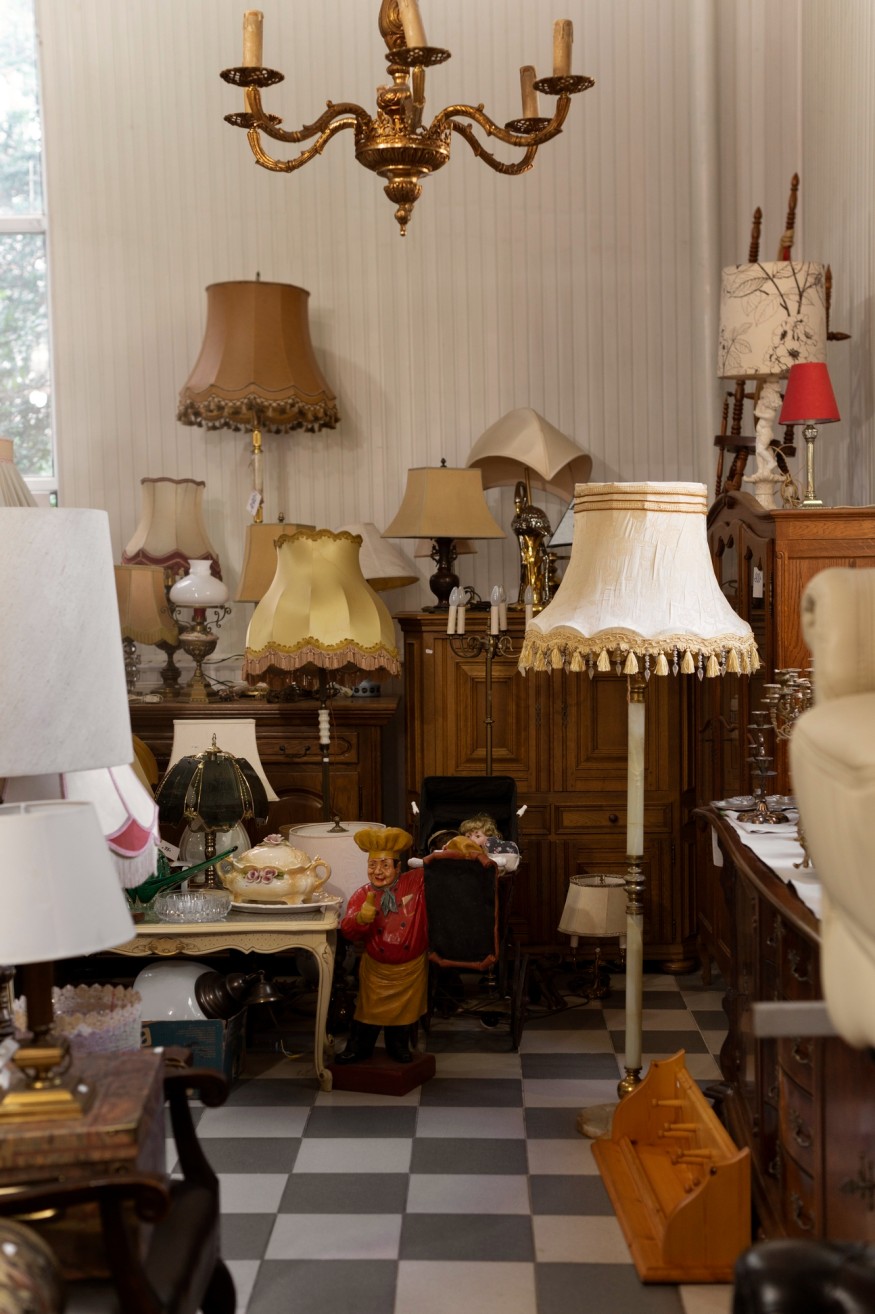
Despite concerns about higher prices, thrift stores can still offer opportunities to find distinctive furniture at competitive prices. Their inventory changes regularly, and individual locations may have different pricing policies, merchandise selections, and donation sources.
Goodwill NYNJ, for example, explains in its official pricing and thrift shopping FAQ that prices can depend on an item's condition, quality, brand, category, and demand. The organization also notes that local Goodwill organizations operate independently, meaning pricing and shopping experiences can vary between locations.
For furniture shoppers, this makes comparing individual pieces particularly important. A secondhand dining table might represent a worthwhile purchase if it is made from solid wood and requires little restoration, even if it costs more than an inexpensive flat-pack alternative.
On the other hand, a damaged or poorly constructed piece may not offer meaningful savings once repair and refinishing costs are considered.
The best approach is to evaluate the actual condition and quality of the furniture rather than assuming that every thrift store purchase represents a bargain.
How to Find Affordable Furniture at Thrift Stores
Shoppers who want to continue furnishing their homes through secondhand stores can make a few adjustments to their approach.
- Look beyond popular vintage styles: Highly recognizable midcentury and designer-inspired pieces may attract higher prices. Less fashionable furniture can offer better opportunities for customization.
- Visit smaller independent stores: Community thrift shops and local charity stores may have different inventory and pricing structures from larger curated resale retailers.
- Consider furniture that needs minor updates: A sturdy wooden table with an outdated finish may become more appealing with simple refinishing.
- Compare prices before purchasing: Check similar items on local marketplaces to understand whether a store's asking price reflects current secondhand values.
- Account for transportation and restoration: Delivery, repairs, upholstery, and replacement hardware can increase the actual cost of a furniture purchase.
These considerations help shoppers distinguish between an attractive vintage find and an item that is simply expensive because it has been labeled collectible.
What Rising Thrift Store Prices Mean for Homeowners
The changing economics of secondhand shopping reflect a broader shift in how consumers view pre-owned furniture. Pieces that were once considered inexpensive alternatives are increasingly appreciated for their craftsmanship, history, materials, and individuality.
For thrift stores, balancing affordability with operating expenses and charitable objectives remains an important consideration. For shoppers, the challenge is determining whether an item offers genuine value rather than relying on the assumption that secondhand automatically means inexpensive.
Thrift stores are unlikely to lose their appeal entirely. Their constantly changing inventory and potential for unexpected discoveries remain part of the experience. However, shoppers may need to approach secondhand furniture shopping with more research and a clearer understanding of what individual pieces are worth.


Meghan Trainor Puts Her Lavish Encino Estate on the Market for Nearly $18 Million

The High-Gloss Paint Trick Designers Use to Make Kitchens Look More Expensive

IKEA's New Art Collection Turns Everyday Home Decor Into Affordable Designer Art

Sherwin-Williams's 2027 Color Forecast Unveils 48 Rich Colors to Refresh Your Home in 2027

Modern Kids' Rooms Are Changing: The Kids' Bedroom Ideas Designers Want Now


