Marshmallow Furniture Is Back: The Curved Furniture Trend Bringing Retro Style Home
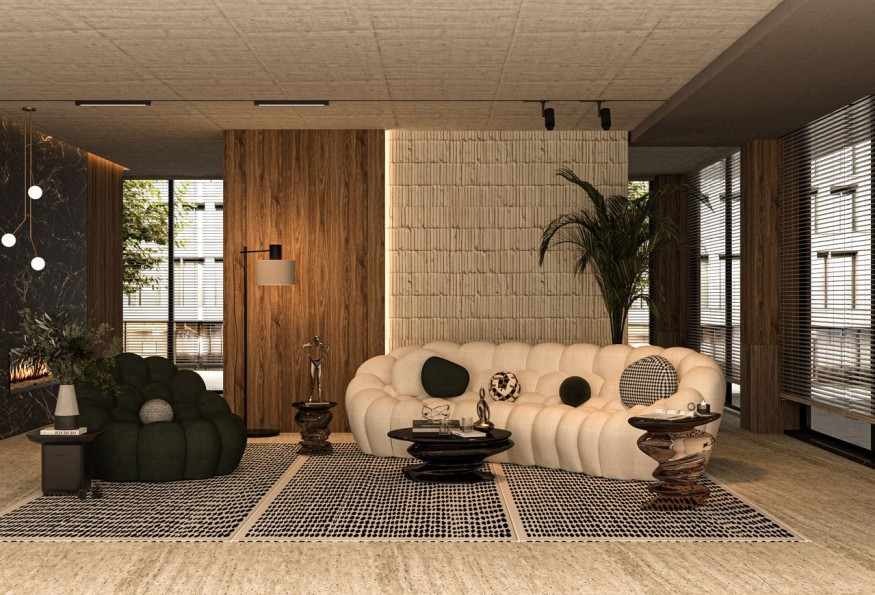
For years, minimalist interiors favored clean lines, hard edges, and streamlined silhouettes. Now, furniture is getting softer. Rounded sofas, pillowy chairs, low-slung sectionals, and generously cushioned pieces are becoming increasingly prominent in contemporary interiors, bringing a sense of comfort and playfulness to rooms.
This renewed interest in marshmallow furniture is part of a broader return to expressive, tactile interiors. Designers are revisiting mid-century and 1970s references while giving them a more contemporary treatment. At the same time, retro furniture trends and vintage furniture trends are gaining momentum as homeowners look for pieces with more character than mass-produced minimalist furnishings.
The result is furniture that looks inviting enough to sink into while functioning as a sculptural focal point.
What Is Marshmallow Furniture?
Marshmallow furniture describes pieces with soft, rounded, generously padded forms. Rather than relying on sharp corners or rigid geometry, these designs use curves, plush upholstery, and substantial proportions to create an almost cloud-like appearance.
The name has a particularly fitting design connection. George Nelson's Marshmallow Sofa, originally produced in 1956, consists of individual cushions arranged across a tubular steel frame and became one of the recognizable examples of early pop-inspired furniture.
Today's interpretation is broader. The term can describe everything from rounded lounge chairs and ottomans to modular sofas with deep cushions and soft, continuous forms.
Where Did the Marshmallow Furniture Trend Come From?
Although the name points to George Nelson's mid-century design, the current revival also draws heavily from the sculptural furniture of 1970s Italy. Designers including Mario Bellini, Tobia Scarpa, Gianfranco Frattini, and Alessandro Becchi explored oversized, enveloping seating that blurred the distinction between furniture and sculpture.
Bellini's Camaleonda is particularly relevant to the resurgence. Its deep, modular sections and generous cushioning capture the relaxed, low-slung quality that has become highly desirable again.
The renewed appreciation for 1970s Italian design is not limited to sofas. Recent design events have shown renewed interest in the decade's organic shapes, expressive materials, and colorful interiors.
Why Is Marshmallow Furniture Making a Comeback?
The appeal goes beyond nostalgia. Soft furniture offers a visual response to years of highly restrained interiors. Instead of making a room feel formal or carefully controlled, rounded pieces can make it feel more relaxed and approachable.
Current furniture trends also emphasize comfort and sculptural forms. Designers are increasingly specifying rounded sofas, organic chairs, and softened edges, making curved furniture trends a significant part of the broader shift.
There is also a practical appeal. A rounded sectional can encourage conversation, while a deep lounge chair naturally creates a dedicated spot for relaxing. In this sense, the resurgence combines aesthetics with how people want their homes to function.
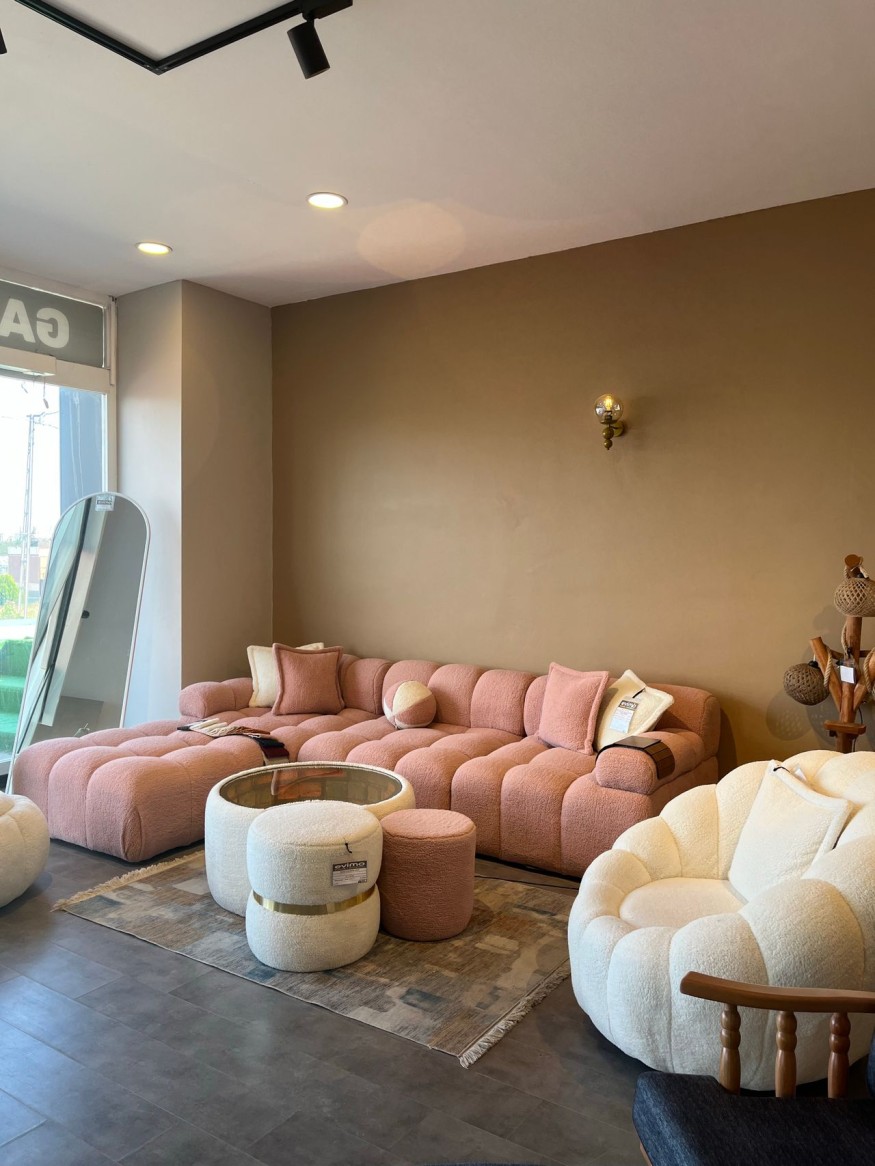
Why Are Curved Furniture Trends So Popular?
Curves have an ability to soften the visual structure of a room. A rounded sofa can break up a space dominated by rectangular windows, walls, and cabinetry, while an oval table can create a more fluid arrangement.
That quality has helped curves remain relevant beyond any single decorating era. Contemporary designers are using them across living rooms, bedrooms, dining areas, and even kitchens.
For homeowners interested in retro interior design, curved furniture also offers an easy way to reference the past without recreating a period room.
How Is Marshmallow Furniture Being Used in Modern Homes?
The key is restraint. A single oversized curved sofa or rounded armchair can establish the look without making an entire room feel themed.
- Pair plush seating with structured tables or cabinetry.
- Mix rounded upholstery with natural wood, stone, or metal.
- Use vintage pieces alongside contemporary furnishings.
- Choose tactile fabrics to emphasize the furniture's softness.
- Let one sculptural piece serve as the room's focal point.
This approach allows marshmallow furniture to work within contemporary, eclectic, mid-century, and even minimalist spaces.
Is Marshmallow Furniture Part of the Retro Design Revival?
Yes, but the current interpretation is less about recreating the past exactly. The resurgence of retro furniture trends is increasingly about selecting recognizable forms and adapting them to modern lifestyles.
The same principle is visible throughout today's vintage furniture trends, where older silhouettes are being paired with contemporary materials, updated colors, and cleaner surroundings. Recent coverage of 2026 interiors has also pointed to renewed interest in 1970s furniture and organic forms.
That mix gives marshmallow-style pieces a more current appearance. A vintage-inspired sofa can sit comfortably beside modern lighting, contemporary art, or streamlined architectural details.
The New Appeal of Marshmallow Furniture
The resurgence of marshmallow furniture reflects a larger change in how interiors are being approached. Homes are becoming less focused on rigid perfection and more interested in comfort, personality, texture, and pieces that create a memorable visual impression.
Its connection to mid-century design, 1970s Italian furniture, and today's curved furniture trends gives the style plenty of historical depth. Yet its renewed popularity comes from how naturally it fits contemporary life. Soft silhouettes can make rooms feel more welcoming while still giving them a distinctly designed quality.
Frequently Asked Questions
1. What is marshmallow furniture?
Marshmallow furniture refers to plush, rounded pieces with soft edges, generous cushioning, and sculptural silhouettes. Sofas, chairs, ottomans, and modular seating can all fall into this category.
2. Is marshmallow furniture retro?
Much of the aesthetic draws from mid-century and 1970s furniture design, making it closely associated with retro interiors. Contemporary versions, however, often combine vintage-inspired shapes with modern materials and styling.
3. Why is curved furniture popular again?
Curved furniture can soften a room's architecture while creating a more relaxed and conversational atmosphere. Its versatility has helped it move across different interior styles.
4. How can marshmallow furniture be styled without making a room look dated?
The easiest approach is to mix one statement piece with contemporary furnishings and natural materials. Combining eras rather than matching every item to the same retro aesthetic keeps the room feeling current.


How Decorative Window Film Can Transform Awkward Windows Into a Stylish Design

Nick and Vanessa Lachey's Tarzana Estate Is Back on the Market for $8.2 Million

Angelina Jolie's Former Cecil B. DeMille Estate Sells for $24.75 Million

The Designer-Friendly Way to Make Halloween Decor Fit Your Home

How to Place Halloween Decorations Without Overdecorating Your Home


