The ‘80s Interior Design Trend Everyone Hated Is Suddenly Back in Style
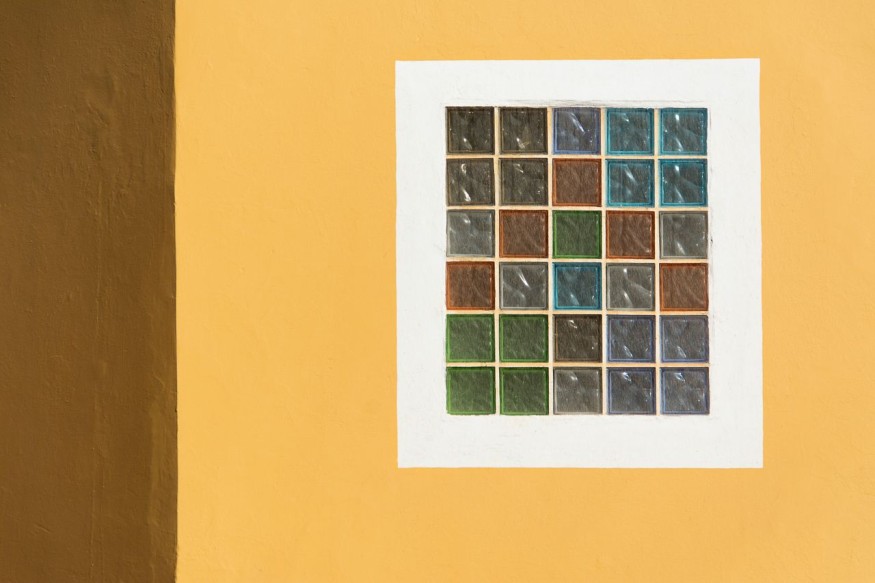
Interior design trends often come full circle, and few eras are making a stronger return than the 1980s. While many homeowners once rushed to remove the decade's bold design choices, designers are now embracing some of its most recognizable features in fresh, sophisticated ways. Among the most surprising revivals is the glass block, a feature that once divided opinions but is now finding new life in modern interiors.
Rather than recreating the look exactly as it appeared decades ago, today's designers are adapting glass blocks with cleaner lines, natural materials, and contemporary finishes. The result is a stylish blend of nostalgia and practicality that fits seamlessly into retro home decor while reflecting the personality driven home design trends 2026.
Why Are '80s Interior Design Trends Coming Back?
Homeowners are moving beyond cookie cutter interiors in favor of spaces that feel personal and memorable. Vintage design offers warmth, character, and a sense of individuality that many modern homes have lacked.
Several factors are fueling the revival.
- Nostalgic styles are influencing architecture, furniture, and decorating.
- Homeowners want unique spaces instead of identical minimalist rooms.
- Vintage pieces often feature quality craftsmanship that stands the test of time.
- Social media has introduced younger generations to iconic design elements from past decades.
Instead of copying the past, designers are selecting standout details that complement today's lifestyles.
Read more: The Best Earthy Color Palette Ideas for a Timeless Neutral Home Style and Rustic Home Interior
The Glass Block Is the Divisive '80s Design Feature Making a Comeback
Glass blocks became popular during the 1980s because they brought natural light into interiors while maintaining privacy. They appeared in bathrooms, entryways, staircases, kitchens, and even exterior walls. Over time, many people viewed them as outdated, replacing them with drywall or clear glass.
Now, designers are giving glass blocks another chance.
Modern versions feature slimmer profiles, cleaner installation methods, and creative layouts that feel architectural rather than nostalgic. Instead of dominating an entire room, glass blocks are often used as striking focal points.
Popular applications include:
- Walk in shower walls
- Kitchen partitions
- Home office dividers
- Entryway accents
- Staircase enclosures
- Indoor courtyards
These installations allow sunlight to travel through a home without sacrificing privacy, making the material both beautiful and functional.
How Designers Are Updating Glass Blocks for Modern Homes
The key to making this classic feature work is thoughtful styling. Today's interiors rely on balance rather than excess.
Pair Glass Blocks With Natural Materials
Wood cabinetry, limestone, travertine, and warm oak flooring soften the cool appearance of glass. This combination creates a welcoming atmosphere instead of the stark aesthetic often associated with the 1980s.
Use Them as an Architectural Accent
Rather than installing an entire wall of glass blocks, designers prefer smaller installations that create visual interest.
Examples include:
- A half wall separating the kitchen and dining room
- A bathroom partition beside a freestanding tub
- An entry feature that filters daylight into the foyer
These subtle applications feel timeless instead of trendy.
Choose Soft Color Palettes
Glass blocks pair well with earthy neutrals, warm whites, muted greens, sandy beiges, and soft terracotta tones. These colors help the feature blend naturally into contemporary interiors.
Mix Vintage With Contemporary Furniture
A home does not need to look like it belongs in the 1980s to embrace one nostalgic detail. Modern furniture with simple silhouettes allows glass blocks to stand out without overwhelming the room.
Why Glass Blocks Fit Home Design Trends 2026
One of the defining characteristics of home design trends 2026 is the shift toward expressive interiors. Designers are encouraging homeowners to create spaces that reflect personality instead of following rigid decorating rules.
Glass blocks align perfectly with this movement because they offer:
- Privacy without sacrificing natural light
- Sculptural architectural interest
- Durable, low maintenance materials
- A distinctive vintage character with modern appeal
As more homeowners seek unique architectural details, features once considered outdated are becoming desirable conversation pieces.
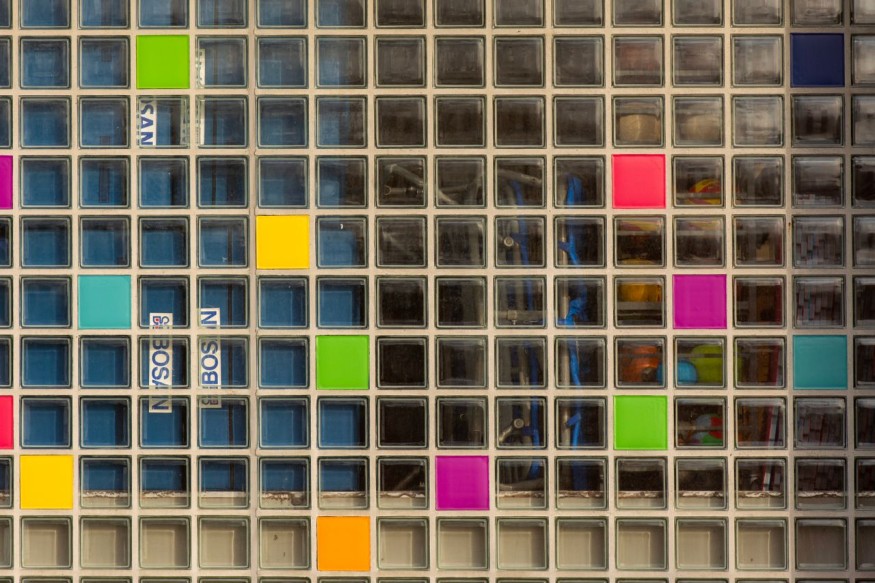
Where Do Glass Blocks Work Best?
Glass blocks are surprisingly versatile when incorporated thoughtfully.
Bathrooms
Bathrooms remain one of the most popular locations. Glass block shower walls create privacy while allowing daylight to brighten the space.
Entryways
An entry wall made from glass blocks creates an inviting first impression and reduces the need for artificial lighting during the day.
Kitchens
Glass block partitions help define open layouts without making rooms feel enclosed.
Home Offices
As flexible living spaces continue to evolve, glass blocks provide visual separation while maintaining an open atmosphere.
How to Incorporate Retro Home Decor Without Looking Dated
Embracing retro home decor does not require filling every room with vintage pieces. Designers recommend focusing on balance.
Some practical ideas include:
- Limit nostalgic features to one statement area.
- Pair vintage architecture with modern lighting.
- Choose furniture with clean lines.
- Add organic textures such as linen, wool, and wood.
- Incorporate greenery to soften geometric materials.
The goal is to create harmony between old and new rather than recreating an entire decade.
Common Mistakes to Avoid
While glass blocks are making a comeback, careful planning is still important.
Avoid these decorating mistakes:
- Installing glass blocks throughout multiple rooms
- Combining too many bold 1980s trends at once
- Ignoring the importance of warm finishes
- Choosing outdated hardware alongside modern materials
- Forgetting to layer lighting throughout the space
Thoughtful design helps the feature feel intentional instead of nostalgic for nostalgia's sake.
Why Glass Blocks Are Becoming the Standout Feature in Retro Home Decor
The return of glass blocks highlights a broader shift in interior design toward creativity, personality, and timeless architectural details. Instead of rejecting features from previous decades, designers are finding ways to reinterpret them through a contemporary lens. With cleaner styling, natural materials, and strategic placement, this once polarizing element has become an elegant addition to modern homes. For anyone exploring retro home decor or following home design trends 2026, glass blocks demonstrate how a forgotten classic can feel surprisingly fresh when thoughtfully reimagined.
Frequently Asked Questions
1. Why are glass blocks becoming popular again?
Designers appreciate their ability to provide privacy while allowing natural light to flow through a space. Updated installation methods and modern styling have also made them more versatile.
2. Do glass blocks only work in vintage homes?
No. Glass blocks complement contemporary, Scandinavian, Japandi, midcentury, and minimalist interiors when paired with modern finishes and furnishings.
3. What rooms are best for glass block installations?
Bathrooms, kitchens, entryways, staircases, and home offices are among the most popular locations because they benefit from additional light and visual separation.
4. How can homeowners add retro home decor without making their interiors look outdated?
Focus on one or two vintage inspired features, combine them with natural materials and contemporary furniture, and use a restrained color palette to create a balanced, modern look.


Bold Patterns, Warm Colors, and Festive Entrances Are Shaping This Season's Home Trends

Malibu's Celebrity Real Estate Market Faces New Challenges From Coastal Erosion

A Room-by-Room Guide to Better Home Lighting With the Right Lamps

Year-Round Garden Design: How to Create a Landscape With Lasting Interest

Built-In Wall Niche Ideas That Make Awkward Recesses Look Intentional


