10 Signs You Have an Eye for Antiques That Will Make Your Home Feel More Collected
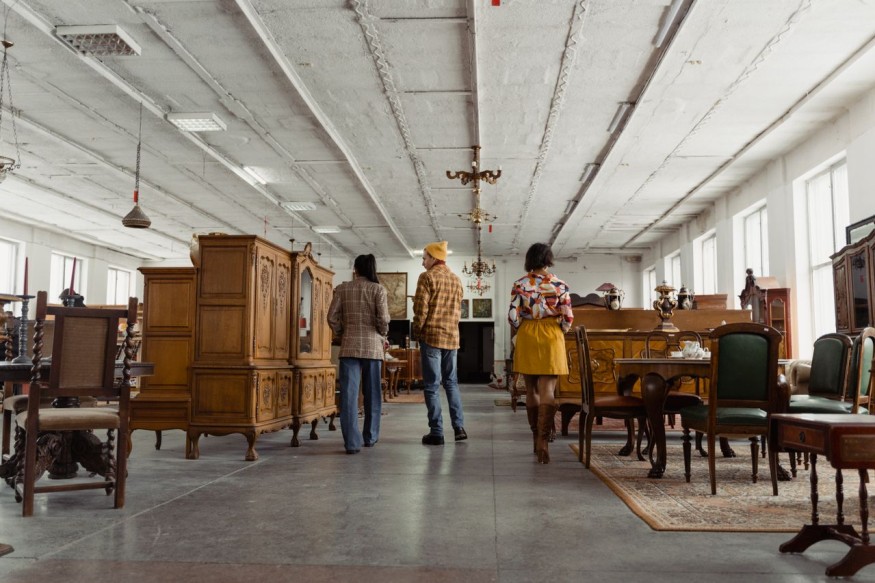
A home filled with antiques does not have to look like a museum. In fact, some of the most inviting interiors use just a few older pieces to add warmth, character, and a sense of history. The challenge is knowing which pieces will actually enhance a room rather than make it feel dated or overly themed.
That is where having an antique collector's eye can make a difference. It does not necessarily mean someone spends weekends hunting for rare treasures or knows the history of every furniture maker. It can simply mean recognizing when an old table, mirror, lamp, chair, or decorative object has the right combination of craftsmanship, character, and visual appeal for a home.
For anyone interested in antique collecting, these are some of the signs that they naturally know how to choose pieces worth bringing home.
1. You Notice Character Before You Notice Age
Someone with a good eye for antiques is often more interested in how a piece looks and feels than in whether it is officially antique. A beautifully worn wood surface, hand-carved detail, faded finish, or slightly irregular shape can immediately make a piece stand out.
That instinct is useful because the goal is not simply to fill a home with old things. The best antique interiors balance older pieces with the rest of the room, allowing character to become part of the design.
Read more: Homespun Interiors Are Trending Again Thanks to the Cottage-Core Interior and Cozy Home Style
2. You Look for Quality, Not Just a Vintage Look
It is easy to confuse something that looks old with something that is genuinely well made. A person with an antique collector's eye tends to examine construction, materials, hardware, joinery, and decorative details before deciding whether a piece deserves a place at home.
Quality craftsmanship is one of the key things antique collectors look for because it can give furniture and decor lasting appeal. A solidly constructed antique table, for example, can often become a much more meaningful addition than a mass-produced piece designed to look vintage.
3. You Always Check the Details
When browsing an antique shop or estate sale, the front of a piece is rarely enough. Someone who knows how to identify antiques will often look underneath, behind, and inside an object.
A drawer may reveal older construction techniques. The back of a cabinet could contain a maker's label. A chair might have distinctive joinery, while a ceramic piece may have a mark on its base.
What details should you look for in an antique?
- Maker's marks, labels, or signatures
- Original hardware and construction
- Natural wear and aging
- Materials appropriate to the object's supposed period
- Unusual craftsmanship or decorative details
None of these details automatically proves authenticity, but together they can provide useful clues.
4. You Appreciate Patina Instead of Looking for Perfection
A collector's eye often recognizes that an antique does not need to look brand new to be beautiful. Scratches, faded finishes, softened edges, and changes in color can give an object the kind of depth that is difficult to reproduce.
Patina can also help an antique feel natural within a contemporary home. A weathered wooden chest can soften a minimalist bedroom, while an aged mirror can add warmth to an otherwise polished entryway.
The key is distinguishing appealing signs of age from damage that could compromise the object's usefulness or structure.
5. You Can Tell When a Piece Will Work With Your Existing Decor
The best antique finds are not necessarily the most elaborate ones. Someone with a strong eye understands scale, proportion, color, and contrast and can imagine how a piece will interact with furniture already in the home.
An ornate antique dresser might work beautifully in a modern bedroom, while a simple wooden bench could bring warmth to a contemporary entryway. The ability to picture an antique outside the shop is often more useful than simply recognizing its age.
6. You Are Curious About Where a Piece Came From
Antiques become more interesting when there is a story behind them. A person with a natural eye may want to know who made a piece, where it originated, how it was used, or what period it represents.
That curiosity can also help with how to identify antiques. Learning about makers, historical styles, materials, and construction methods makes it easier to distinguish an authentic older object from a newer reproduction.
For home decorators, the history does not have to make a piece expensive. A modest antique with an interesting background can have just as much personality as a prestigious find.
7. You Do Not Assume Expensive Means Better
Having an eye for antiques is not the same as having an unlimited decorating budget. Experienced shoppers know that an expensive piece is not automatically the best choice for a particular home.
Condition, craftsmanship, rarity, provenance, design, and personal preference all matter. A reasonably priced antique that fits the room and has beautiful construction may be a better purchase than an expensive object that feels disconnected from the space.
This approach also makes antique decorating more accessible. A home can benefit from one well-chosen antique without requiring an entire collection.
8. You Can Spot Potential in an Unremarkable Setting
A good antique does not always look impressive at first glance. It might be covered in dust at an estate sale, surrounded by mismatched furniture at a flea market, or sitting in the corner of a secondhand shop.
Someone with an antique collector's eye may notice an unusual silhouette, quality wood, old hardware, or beautiful proportions before anyone else does.
That ability to look past presentation is particularly useful for people furnishing their homes because it can lead to distinctive pieces that do not look like everything else in a showroom.
9. You Know When an Antique Is Better Than a New Reproduction
Not every room needs an antique. However, some pieces gain much of their appeal from the evidence of age and craftsmanship.
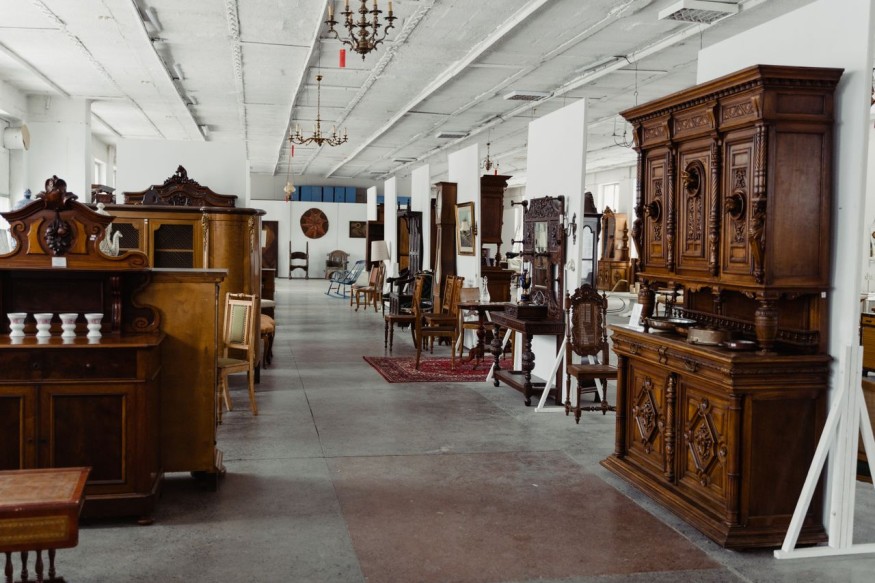
A hand-finished side table, antique mirror, vintage cabinet, or old dining chair can introduce visual depth that a brand-new reproduction may lack. The appeal comes from the combination of function and history.
Knowing when to choose an antique over a reproduction is an important part of developing a personal approach to antique collecting. It is less about following rules and more about understanding what gives a room personality.
10. You Know When to Walk Away
Perhaps the strongest sign of an antique collector's eye is knowing that not every interesting piece belongs in the house.
An antique may be beautiful but too large for the room, heavily altered, structurally compromised, difficult to authenticate, or simply too expensive for its condition. A thoughtful buyer can appreciate the object without feeling obligated to take it home.
That restraint ultimately creates a more successful interior. Instead of accumulating antiques simply because they are old, the homeowner can choose pieces that contribute something meaningful to the room.
How to Build a Home That Feels Collected, Not Cluttered
An eye for antiques is ultimately an eye for balance. A home does not need dozens of old objects to feel layered and interesting. One carved mirror, an aged wooden table, a vintage lamp, or an antique chest can sometimes make more impact than an entire room filled with period furniture.
For homeowners, the most useful part of antique collecting is learning to recognize pieces that combine history with everyday appeal. By paying attention to craftsmanship, condition, proportions, patina, and provenance, they can make more confident choices.
Learning how to identify antiques can also make shopping more enjoyable. Instead of asking only whether something is old, the better questions are whether it is well made, whether its character suits the home, and whether it adds something that a newer piece cannot.
Frequently Asked Questions
1. What makes an antique look good in a modern home?
The right proportions, materials, and amount of visual contrast can help an antique work in a modern interior. Simple antiques can pair particularly well with contemporary furniture because they introduce warmth without overwhelming the space.
2. What are the things antique collectors look for?
Collectors commonly examine craftsmanship, condition, originality, maker's marks, materials, rarity, provenance, and distinctive design details. Homeowners should also consider whether the piece suits their existing space.
3. How can someone learn how to identify antiques?
Studying furniture periods, materials, construction methods, maker's marks, and authentic examples can build identification skills. Visiting reputable antique dealers and museums can also provide useful firsthand experience.
4. Do antiques have to be expensive to improve a home?
No. An antique's design, craftsmanship, scale, and character can matter more to an interior than its price. Smaller decorative pieces and modest furniture can introduce plenty of personality without requiring a major investment.


How Architects Hide Gutters Without Sacrificing Roof Drainage

Halloween Mantel Decorating Ideas That Feel Stylish, Not Spooky-Store Basic

Nick and Vanessa Lachey's Tarzana Estate Is Back on the Market for $8.2 Million

The Designer-Friendly Way to Make Halloween Decor Fit Your Home

The Design Tricks That Make a Backyard Feel Like Part of the Home


