Thinking About DIY Home Repairs? These Unexpected Costs Could Change Your Mind

Do-it-yourself projects are often presented as a practical way to improve a home while keeping renovation expenses under control. From repainting kitchen cabinets to installing new flooring, homeowners can find countless tutorials promising professional-looking results without the professional price tag.
However, a new report suggests that DIY projects can sometimes create unexpected expenses, particularly when homeowners underestimate the complexity of a repair or attempt work beyond their experience.
Angi's first-ever Home Oops Report, released in November 2026, examines the unexpected home maintenance and improvement mistakes experienced by American homeowners. Based on a survey of 1,000 homeowners, the report highlights how seemingly manageable projects can develop into expensive problems.
According to the findings, 78% of respondents have experienced at least one home-related mishap. The average homeowner reported more than three such incidents, while 22% experienced five or more.
Perhaps more concerning is the financial impact of DIY mistakes. Homeowners who needed to correct their own project errors spent an average of $1,171, with more than half eventually requiring professional assistance.
The findings offer a reminder that saving on labor does not automatically mean saving money overall.
1. DIY Mistakes Can Create Additional Repair Expenses
One of the biggest financial risks associated with DIY home improvements is the possibility of having to pay twice for the same project.
A homeowner might initially choose to install flooring, repair a plumbing fixture, or replace electrical components independently to avoid contractor fees. However, mistakes during installation can create additional work that requires professional intervention.
The Angi report found that homeowners spent an average of $1,171 fixing DIY mistakes.
These expenses can include purchasing replacement materials, correcting improper installations, and paying professionals to undo or repair unsuccessful work.
The financial consequences may be particularly significant when the original mistake affects other parts of the home.
For instance, an improperly installed plumbing fixture could cause water damage to cabinets, flooring, or surrounding walls. What initially appeared to be a relatively inexpensive improvement could eventually require a much larger repair.
This is why homeowners should evaluate the complexity of a project before deciding whether DIY is the most economical approach.
2. Delaying Repairs Can Make Problems More Expensive
Another important finding concerns postponed home maintenance.
Many homeowners delay repairs because of budget limitations, scheduling difficulties, or the belief that a minor issue can wait until a more convenient time.
However, relatively small problems can become more complicated when left unattended.
According to the report, 30% of homeowners knowingly postponed a necessary repair that eventually became worse. Among those who delayed repairs, 83% ended up paying significantly more than they would have if the issue had been addressed earlier.
The average additional expense was $1,645.
Roof problems and plumbing leaks are among the maintenance issues that homeowners frequently put off.
A small roof leak, for example, can gradually affect insulation, ceiling materials, and structural components. Similarly, a minor plumbing leak can contribute to moisture accumulation, damaged cabinetry, and mold growth.
The longer these problems remain unresolved, the more extensive the required repairs may become.
Regular inspections and timely maintenance can therefore be more cost-effective than waiting until visible damage develops.
3. Previous Owners' DIY Mistakes Can Become New Homeowners' Problems
DIY mistakes do not always originate with the current homeowner.
The Angi report found that 28% of respondents had discovered a previous owner's mistake, shortcut, or concealed problem.
Some of the most common issues involved essential household systems, including:
- Plumbing: Improper connections, poorly executed repairs, and concealed leaks can create problems behind walls and beneath floors.
- Electrical systems: Incorrect wiring and inadequate installations can introduce safety concerns and require professional correction.
- Water damage and mold: Previous leaks or improperly addressed moisture problems can remain hidden until visible damage appears.
- Structural repairs: Inadequate workmanship can affect the performance and longevity of building components.
- Concealed maintenance issues: Cosmetic improvements may disguise problems that require more extensive investigation.
These findings are particularly relevant to prospective homebuyers.
A property that looks recently renovated may still contain underlying problems if previous work was completed without appropriate expertise or permits.
Professional home inspections can help identify concerns before a purchase is finalized.
4. Tools, Materials, and Time Can Reduce the Savings
Labor is only one component of a home improvement budget.
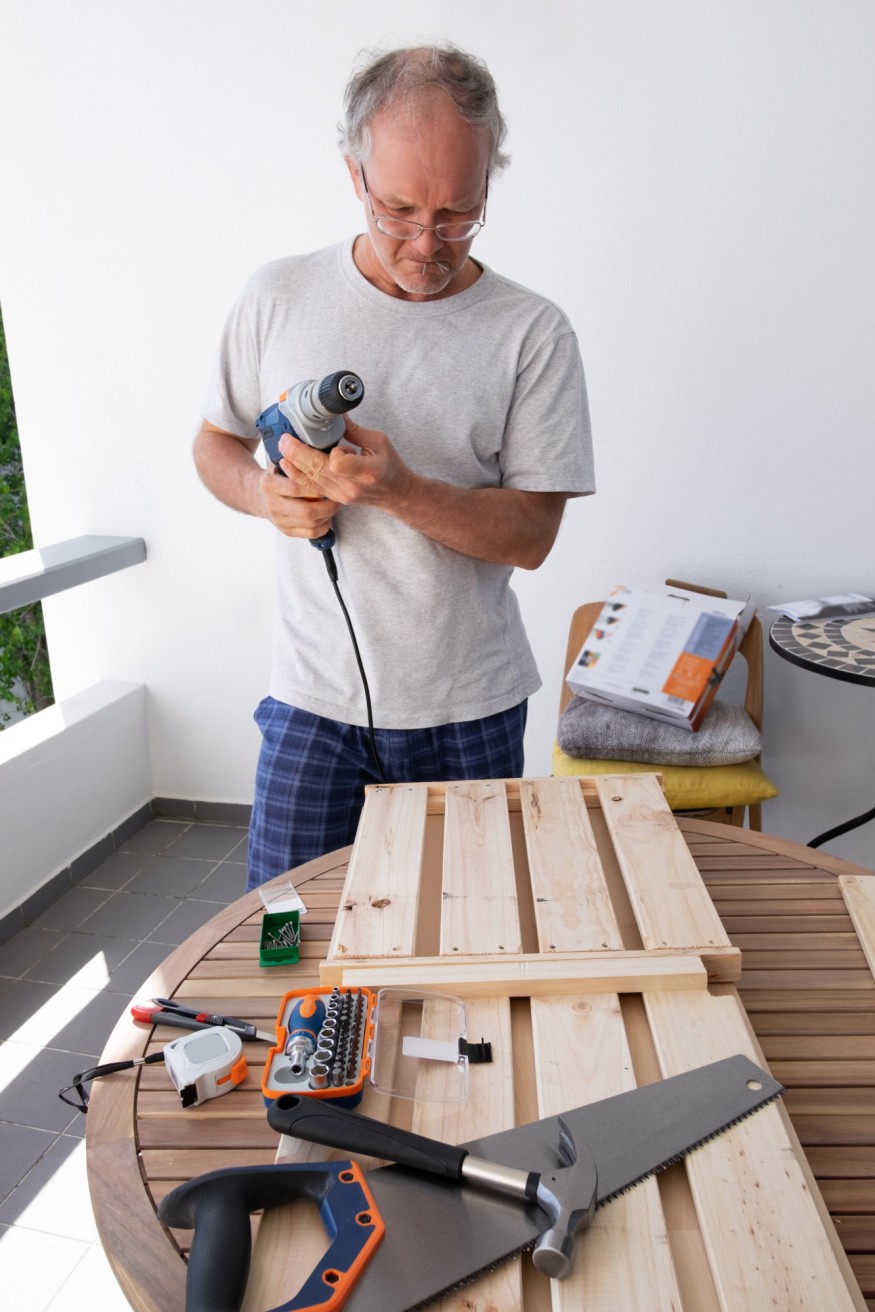
DIY projects also require materials, equipment, transportation, preparation, and time. These expenses can become significant when homeowners need specialized tools or discover that their initial material estimates were inaccurate.
For example, installing tile may appear straightforward in an online tutorial. However, the project can require tile cutters, leveling systems, appropriate adhesives, grout, waterproofing materials, and surface preparation.
Homeowners who do not already own these tools may need to purchase or rent them.
There is also the possibility of material waste. Incorrect measurements, damaged supplies, and installation mistakes can increase the amount of material needed to complete the project.
Time is another important consideration.
A professional contractor may complete a project in a few days, while an inexperienced homeowner could spend several weekends working on the same task.
That time commitment can affect work schedules, household routines, and the availability of other home improvement projects.
5. Knowing When to Hire a Professional Can Protect the Budget
DIY projects are not inherently expensive or impractical. Many cosmetic improvements remain suitable for homeowners with basic tools and adequate preparation.
Painting a small room, replacing cabinet hardware, assembling furniture, and installing simple decorative accessories are examples of projects that can be manageable without professional assistance.
However, work involving plumbing, electrical systems, structural modifications, roofing, or potentially hazardous materials requires greater caution.
Homeowners should consider whether they have the necessary skills, equipment, and understanding of applicable building regulations before starting.
Angi co-founder Angie Hicks recommends assessing available time, tools, and abilities before committing to a project. Her advice reinforces the importance of choosing improvements that match a homeowner's actual capabilities.
It is also useful to obtain professional estimates before starting complicated work. Comparing labor charges against the full DIY budget can reveal whether the expected savings are realistic.
Making Smarter Decisions Before Starting a Home Project
The financial appeal of DIY home improvements is understandable, particularly as homeowners look for ways to manage renovation and maintenance expenses.
However, the Angi findings demonstrate that mistakes, delayed repairs, and underestimated project requirements can quickly reduce potential savings.
The most cost-effective approach is not necessarily completing every project independently. Instead, homeowners benefit from understanding which tasks are manageable and which require specialized expertise.
By evaluating project complexity, accounting for materials and equipment, and addressing maintenance problems early, homeowners can make more informed decisions about where DIY efforts are worthwhile.
Frequently Asked Questions
1. Are DIY home improvement projects cheaper than hiring professionals?
DIY projects can reduce labor expenses, but materials, equipment, mistakes, and additional repairs can reduce or eliminate the savings. The final cost depends on the project's complexity and the homeowner's experience.
2. What DIY projects should homeowners avoid?
Projects involving electrical systems, major plumbing changes, structural modifications, roofing, and gas lines generally require qualified professionals because mistakes can create safety risks and expensive damage.
3. How much do homeowners spend fixing DIY mistakes?
According to Angi's 2026 Home Oops Report, homeowners spend an average of $1,171 correcting DIY mistakes.


These 11 Bedroom Design Trends Will Make Your Space Feel More Elevated

Why Designers Are Trading Cool Gray for These Richer, Warmer Shades

Designers Ditching Perfectly Minimal Kitchens for This Lived-In Look

Bella Hadid Buys $5.5 Million Colorado Mountain Home in Crested Butte

Move Over, Bows: Tassels Are Bringing Texture and Luxury to Christmas Decor in 2026


