Moss on Patio Is More Than an Eyesore. Here’s What It Can Do to Your Outdoor Space
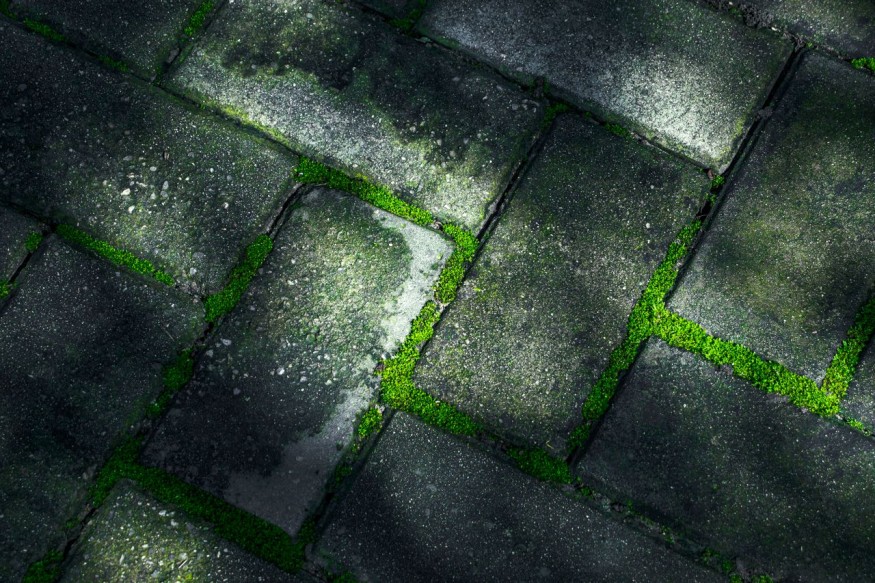
A little greenery can make an outdoor space feel charming, especially when moss begins creeping across an older patio. Its soft texture and natural color can even complement gardens and stone pathways. But while moss on patio surfaces may look harmless, allowing it to spread unchecked can create maintenance problems and, in some cases, contribute to surface damage.
Moss thrives in damp, shaded areas, which means its presence can also point to underlying issues such as poor drainage, limited sunlight, or moisture that lingers after rain. For homeowners trying to keep an outdoor space in good condition, understanding when moss becomes a problem can make patio maintenance much easier.
Is Moss on a Patio Bad?
Moss is not automatically damaging simply because it grows on a patio. A small amount on a well-maintained stone surface may mainly be an aesthetic concern. The problem develops when moss becomes thick, widespread, or consistently damp.
Because moss retains moisture, it can keep patio surfaces wet for longer periods. This can encourage additional organic growth and create slippery conditions, particularly after rain. Moss may also grow into joints and small cracks between pavers, making those areas more difficult to maintain.
The type of patio matters, too. Porous materials such as concrete, natural stone, and some types of brick can be more affected by prolonged moisture and organic growth than smoother, less porous surfaces.
What Happens If Moss Is Left on a Patio?
Leaving a small patch alone is unlikely to cause immediate structural problems. However, neglected growth can become more difficult to remove as it spreads across larger areas.
One of the biggest concerns is safety. A moss-covered patio can become slick when wet, increasing the possibility of slips. Moss can also obscure cracks, uneven pavers, or deteriorating joints that would otherwise be easier to spot during routine inspections.
Persistent growth can also make patio cleaning more challenging. Once moss becomes established between paving stones or along edges, removing it may require more time and effort than dealing with it when it first appears.
Does Moss Cause Damage to Concrete Patios?
Moss itself does not necessarily destroy concrete. However, the damp conditions associated with persistent moss can contribute to an environment where surface problems are more likely to develop.
Small cracks and joints can collect moisture and organic debris, while repeated exposure to wet conditions can make existing deterioration more noticeable over time. In colder climates, water that enters cracks and freezes can expand and contribute to cracking or surface deterioration.
This does not mean every patio with moss will experience moss damage. The material's condition, drainage, climate, exposure to sunlight, and quality of installation all influence how serious the problem becomes.
Should Moss Be Removed From a Patio?
In most cases, removing established moss is a sensible part of routine outdoor home maintenance. It can improve the appearance of the patio, reduce slippery areas, and make it easier to identify cracks or other maintenance concerns.
Early patio moss removal is generally simpler than waiting until moss has covered extensive areas. It also provides an opportunity to determine why the moss is growing in the first place. If a patio remains consistently damp, removing the moss without addressing the moisture source may only provide a temporary solution.
How to Remove Moss From a Patio
The appropriate cleaning method depends on the patio material. A stiff outdoor brush can often loosen surface moss without the risks associated with aggressive cleaning equipment. For more persistent growth, a patio-safe cleaning product may be appropriate when used according to its instructions.
Pressure washing can also work on certain hard surfaces, but excessive pressure may damage concrete, loosen joint material, or affect delicate natural stone. Testing a small, inconspicuous area first is a useful precaution.
- Sweep away leaves, soil, and loose debris before cleaning.
- Brush moss from the surface and joints.
- Use a cleaner suitable for the specific patio material when necessary.
- Rinse away loosened debris and cleaning residue.
- Allow the surface to dry so remaining moss and problem areas are easier to identify.
How Can Homeowners Prevent Moss Growth?
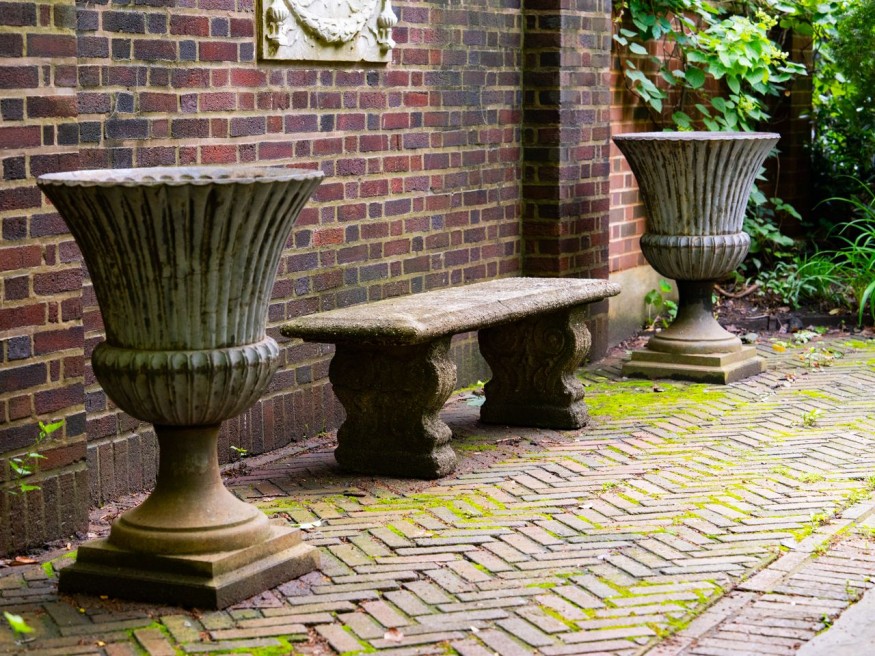
Keeping a patio dry and free of accumulated debris can make it less inviting to moss. Regular sweeping removes leaves and organic material before they settle into joints. Trimming nearby vegetation can also allow more sunlight and airflow to reach the surface.
Drainage deserves particular attention. Water that repeatedly pools in the same location can indicate a grading or drainage issue that should be addressed as part of broader outdoor home maintenance.
Routine inspections are also useful. Checking patio joints, cracks, shaded corners, and areas near downspouts can help homeowners catch early growth before it becomes extensive.
Outdoor Cleaning Tips for a Cleaner Patio
Regular care does not have to mean intensive cleaning every week. Simple seasonal attention can prevent minor problems from becoming more difficult jobs.
Sweeping the surface, clearing nearby gutters and downspouts, removing leaves, and checking for standing water can all support a cleaner outdoor area. After periods of heavy rain, inspecting shaded sections can also reveal new moss before it spreads.
The goal is not necessarily to create a completely sterile patio. Instead, consistent outdoor cleaning tips and preventative care can help preserve the surface while keeping the space safer and more attractive.
A Cleaner Patio Starts With Dealing With the Cause
Moss does not always signal serious damage, but persistent moss on patio surfaces should not simply be ignored. Removing established growth can improve traction, reveal hidden maintenance issues, and make the patio easier to care for.
The most effective approach combines patio moss removal with preventative measures. Better drainage, regular patio cleaning, improved airflow, and routine inspections can help prevent moss growth from becoming a recurring problem. For homeowners, addressing both the moss and the conditions that encourage it is a practical part of maintaining a durable outdoor living space.
Frequently Asked Questions
1. Can moss ruin a patio?
Moss does not automatically ruin a patio, but extensive growth can contribute to persistent moisture, slippery conditions, and maintenance issues. Existing cracks and deteriorating joints may also become harder to identify or maintain.
2. What is the easiest way to remove moss from a patio?
For light growth, sweeping and brushing with a stiff outdoor brush may be sufficient. More established moss may require a suitable patio cleaner or carefully controlled pressure washing, depending on the surface material.
3. Why does moss grow between patio pavers?
Moss commonly develops in shaded, damp areas where moisture and organic debris collect. The joints between pavers can provide an especially suitable environment when drainage and airflow are limited.
4. How can moss be prevented from coming back?
Regular sweeping, removing leaves and debris, improving drainage, and reducing excessive shade can help. Checking the patio regularly also allows homeowners to address small patches before they spread.


These 5 Common Household Items Could Be Making Your Home Feel Cluttered

Dry Creek Bed Landscaping Ideas That Make Backyard Drainage Look Beautiful

Kitchen Backsplash Design: 7 Things to Consider Before You Choose

5 Expert-Backed Ways to Create a Calmer, Cozier Home This Winter

How Smart Architectural Design Helps Buildings Handle Heavy Rain


