Stamped Concrete Driveway or Gravel? Budget Driveway Ideas That Deliver the Best Value
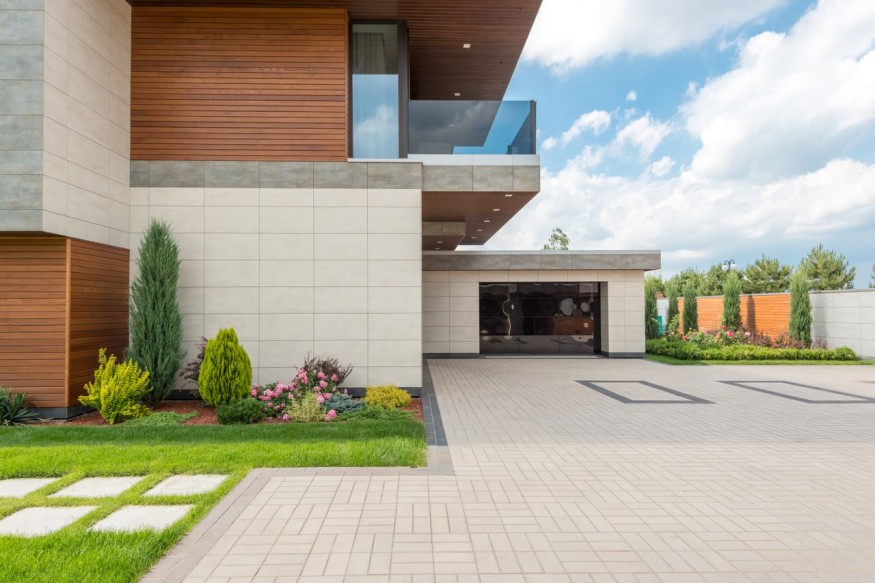
A driveway does more than provide a place to park. It shapes the first impression of a home, influences curb appeal, and affects long term maintenance costs. Fortunately, upgrading a worn or outdated driveway does not always require a large investment. Many homeowners are exploring budget driveway ideas that improve appearance while staying within a realistic renovation budget.
Among the most popular choices are gravel, brick, and stamped concrete. Each material offers its own balance of cost, durability, maintenance, and style. Understanding the strengths and tradeoffs of each option makes it easier to choose the right surface for a home's needs.
Why Driveway Material Matters
The right driveway material can make everyday use easier while complementing the home's exterior. Before selecting a surface, homeowners should consider several factors beyond appearance.
Important considerations include:
- Initial installation cost
- Long-term maintenance needs
- Climate and drainage conditions
- Vehicle traffic and daily use
- Overall design of the property
- Expected lifespan
Choosing the least expensive material is not always the most economical decision over time. Maintenance and repair costs can influence the total investment for years to come.
Read more: Open the Door to Good Chi: Feng Shui Entryway Ideas That Fill Your Home With Positive Energy
Gravel Driveways: The Most Affordable Choice
Gravel remains one of the most practical budget driveway ideas because of its relatively low installation cost and flexible design options. It works particularly well for rural homes, cottages, and properties with long driveways, where paving costs can add up quickly.
Understanding Gravel Driveway Cost
The total cost of a gravel driveway depends on factors such as driveway size, gravel type, site preparation, and local labor rates. Additional expenses may include grading, edging, drainage improvements, and weed barriers.
Although gravel typically has the lowest upfront cost among common driveway materials, routine maintenance should also be factored into the overall budget.
Benefits of Gravel
Gravel offers several practical advantages.
- Affordable installation
- Quick construction process
- Excellent drainage during rainy weather
- Easy to expand or repair
- Available in different colors and stone sizes
- Creates a natural, rustic appearance
These qualities make gravel an attractive option for homeowners seeking functional improvements without extensive construction.
Potential Drawbacks
Despite its affordability, gravel requires ongoing attention.
- Stones can shift over time.
- Ruts may develop in heavily used areas.
- Weeds may grow without proper maintenance.
- Snow removal can be more challenging in colder climates.
Regular raking and occasional replenishment help keep a gravel driveway looking neat.
Brick Driveways Bring Timeless Character
Brick has remained a favorite driveway material because of its classic appearance and impressive durability. Individual pavers create visual interest while complementing traditional, colonial, cottage, and craftsman-style homes.
Unlike poured surfaces, damaged bricks can often be replaced individually rather than resurfacing the entire driveway.
Advantages of Brick
Homeowners often choose brick because it offers:
- Elegant curb appeal
- Long service life
- Easy spot repairs
- Strong resale appeal
- Natural slip resistance
Brick also develops character over time, making it appealing for homes with mature landscaping.
Things to Consider
Brick installation generally requires more labor than gravel or concrete. Over time, individual pavers may settle unevenly if the base is not properly prepared. Weed growth between joints may also require occasional maintenance.
Although brick costs more initially, many homeowners appreciate its long lasting appearance.
Stamped Concrete Offers Style Without Natural Stone Prices
A stamped concrete driveway combines the strength of concrete with decorative patterns that resemble stone, slate, brick, or cobblestone. This option allows homeowners to achieve an upscale look without installing natural materials throughout the driveway.
Modern stamping techniques also offer a wide range of colors and textures that complement various architectural styles.
Why Homeowners Choose a Stamped Concrete Driveway
A stamped concrete driveway appeals to homeowners seeking decorative finishes and fewer joints than brick or pavers.
Popular advantages include:
- Wide variety of patterns
- Decorative appearance
- Smooth driving surface
- Durable under normal residential traffic
- Lower maintenance than loose gravel
Many homeowners appreciate that stamped concrete can mimic premium materials while remaining easier to maintain.
Maintenance Requirements
Stamped concrete performs best when properly maintained.
Helpful care practices include:
- Clean the surface regularly.
- Reseal according to the manufacturer's recommendations.
- Address small cracks before they expand.
- Avoid harsh deicing products that may damage the finish.
Routine maintenance helps preserve both appearance and durability.
Which Driveway Material Costs Less Over Time?
The initial installation price tells only part of the story. Long-term ownership costs often influence the choice of a better investment.
Gravel usually has the lowest starting cost, but regular replenishment and grading add ongoing expenses.
Brick requires a higher upfront investment, yet individual repairs are often straightforward, helping extend its lifespan.
Stamped concrete generally falls between gravel and brick in overall ownership costs. Periodic sealing adds maintenance expenses, but the surface typically remains attractive with proper care.
Homeowners should compare lifetime value instead of focusing solely on installation costs.
Choosing the Best Driveway for Climate and Lifestyle
Local weather plays an important role in driveway performance.
Gravel performs well in areas with heavy rainfall because water drains naturally through the surface. Brick adapts well to seasonal movement when installed correctly, while stamped concrete offers excellent durability but benefits from proper expansion joints and sealing.
Lifestyle also influences the decision.
A busy household with multiple vehicles may prioritize durability and easier snow removal. Homeowners focused on appearance may prefer brick or decorative concrete, while those seeking affordable upgrades may find gravel provides the best balance of value and function.
Budget-Friendly Ways to Improve Any Driveway
Even without replacing the entire driveway, several upgrades can improve appearance and functionality.
Consider these affordable improvements:
- Add decorative edging with brick or stone.
- Install solar pathway lighting.
- Refresh landscaping along driveway borders.
- Repair cracks before they become larger.
- Pressure wash paved surfaces.
- Apply fresh sealer where appropriate.
- Improve drainage around the driveway.
Small improvements often create a noticeable visual impact without requiring a complete renovation.
Common Mistakes to Avoid During a Driveway Upgrade
Planning ahead helps homeowners avoid unnecessary expenses.
Some common mistakes include:
- Ignoring drainage problems before installation
- Choosing materials based only on appearance
- Skipping proper base preparation
- Underestimating future maintenance needs
- Hiring contractors without checking references or previous work
Careful planning often results in a driveway that performs well for many years.
Budget Driveway Ideas That Add Lasting Value
Selecting the right driveway material depends on balancing appearance, maintenance, durability, and overall cost. Gravel remains one of the strongest budget driveway ideas for homeowners seeking affordability. A stamped concrete driveway delivers decorative appeal with long lasting performance, while brick continues to stand out for timeless character and excellent curb appeal. Comparing each option carefully, including expected gravel driveway cost and ongoing maintenance, helps homeowners choose an upgrade that fits both their property and long term renovation goals.
Frequently Asked Questions
1. Is gravel the cheapest driveway material?
In many cases, gravel has the lowest installation cost, making it one of the most popular budget-friendly driveway materials. Ongoing maintenance should still be considered when comparing long-term value.
2. How long does a stamped concrete driveway last?
A properly installed and maintained stamped concrete driveway can remain in excellent condition for many years. Regular cleaning and resealing help extend its lifespan.
3. Does a brick driveway increase home value?
A well-maintained brick driveway can improve curb appeal and create a premium appearance that many prospective buyers appreciate.
4. What is the best driveway option for homeowners on a budget?
Gravel is often the most affordable choice, while stamped concrete provides a balance between decorative style and durability. The best option depends on the home's location, maintenance expectations, and renovation budget.


The Architectural Details Every Homebuyer Should Understand Before Buying

How to Declutter Every Room in Your Home, From the Entryway to the Garage

How Architects Hide Gutters Without Sacrificing Roof Drainage

Halloween Mantel Decorating Ideas That Feel Stylish, Not Spooky-Store Basic

Nick and Vanessa Lachey's Tarzana Estate Is Back on the Market for $8.2 Million


