From Condensation to Mold: How to Prevent Moisture Problems and Protect Your Home
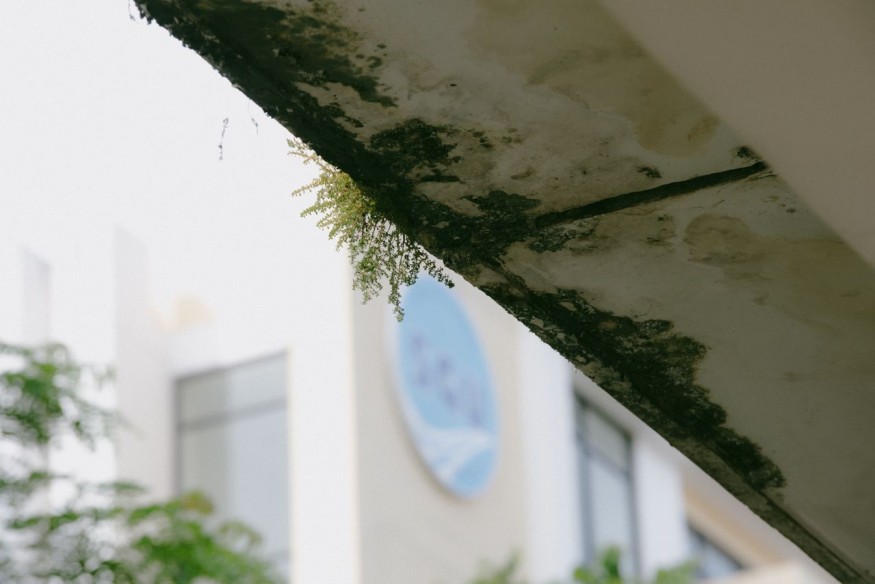
Moisture is a normal part of everyday life, but too much of it inside or around a house can become a serious maintenance concern. A steamy bathroom, condensation on windows, a slow plumbing leak, or water collecting near the foundation may seem harmless at first. Over time, however, persistent dampness can contribute to mold growth, unpleasant odors, damaged finishes, warped wood, and deteriorating building materials.
Preventing moisture problems in home spaces is largely about identifying where excess water or humidity comes from and addressing it before damage spreads. Good ventilation, routine inspections, proper drainage, and sensible humidity management can all play a role in home moisture control. Knowing the warning signs also helps homeowners respond before a small issue becomes an expensive repair.
What Causes Moisture Problems in the Home?
Moisture can enter a home through several different sources. Plumbing leaks are an obvious culprit, but they are not the only concern. Roof leaks, poorly sealed windows, foundation drainage issues, and inadequate ventilation can also allow moisture to accumulate.
Daily activities can contribute as well. Showering, cooking, washing clothes, and drying wet items indoors all release water vapor into the air. When warm, humid air comes into contact with cold surfaces, condensation in home spaces can develop on windows, walls, pipes, and other surfaces.
The location and pattern of dampness can provide useful clues. A stain appearing after heavy rain may point toward an exterior water issue, while recurring condensation around bathroom windows may indicate excess indoor humidity or inadequate ventilation.
What Are the Signs of Too Much Moisture in a House?
Some moisture problems are easy to spot, while others develop gradually. Musty odors, peeling paint, discolored walls, warped flooring, and persistent condensation can all warrant closer inspection.
Mold or mildew is another important warning sign. Although visible growth can sometimes be cleaned, repeatedly returning mold often indicates that the underlying moisture source has not been addressed. Effective mold preventiontherefore begins with controlling moisture rather than simply treating the visible result.
How Do You Prevent Moisture Problems in Your Home?
Several straightforward practices can help homeowners reduce the risk of moisture damage and keep dampness from becoming a recurring problem.
Fix Leaks Before They Become Bigger Problems
Small leaks should not be dismissed simply because they produce little visible water. A dripping pipe beneath a sink, a leaking washing machine hose, or a damaged roof can expose surrounding materials to moisture for long periods.
Regularly checking plumbing connections, appliance hoses, ceilings, windows, and roof areas is one of the simplest home maintenance tips for identifying trouble early. Any unexplained water stain or damp area deserves attention, particularly when it repeatedly appears in the same location.
Improve Ventilation in Moisture-Prone Rooms
Bathrooms, kitchens, and laundry areas naturally produce more humidity than other parts of a home. Exhaust fans can help remove moisture-laden air, particularly while showering or cooking. Windows can also provide additional ventilation when weather and home design allow.
Good airflow is especially useful in bathrooms, where lingering steam can settle on walls, ceilings, mirrors, and other cool surfaces. Keeping these areas ventilated can help prevent moisture problems before they contribute to larger issues.
How Do You Stop Condensation in Your House?
Condensation occurs when humid air meets a colder surface. Windows are particularly susceptible, but condensation can also appear around pipes, exterior walls, and poorly insulated areas.
Reducing indoor humidity, improving airflow, and addressing unusually cold surfaces can help limit recurring condensation. Persistent condensation should not simply be wiped away indefinitely. If it keeps returning, the source of the excess moisture or the cold surface should be investigated.
Keep Rainwater Away From the Foundation
Exterior drainage is an important part of efforts to prevent water damage. Gutters should be kept clear so rainwater can flow freely, while downspouts should direct water away from the foundation.
The ground around a home also matters. Water that consistently collects next to exterior walls can eventually find its way into basements, crawl spaces, or foundation materials. Regularly inspecting gutters, downspouts, grading, and visible foundation areas can help identify drainage concerns early.
Control Everyday Sources of Indoor Humidity
Homeowners can also reduce moisture by paying attention to ordinary household activities. Cooking with lids on pots, using kitchen ventilation, allowing wet laundry to dry in appropriately ventilated areas, and keeping bathrooms aired out can all help manage indoor moisture.
A humidity monitor can provide useful information when a home frequently feels damp or develops recurring condensation. However, a dehumidifier should not be viewed as a substitute for repairing a leak or correcting a ventilation or drainage problem.
Can Moisture Cause Mold in a House?
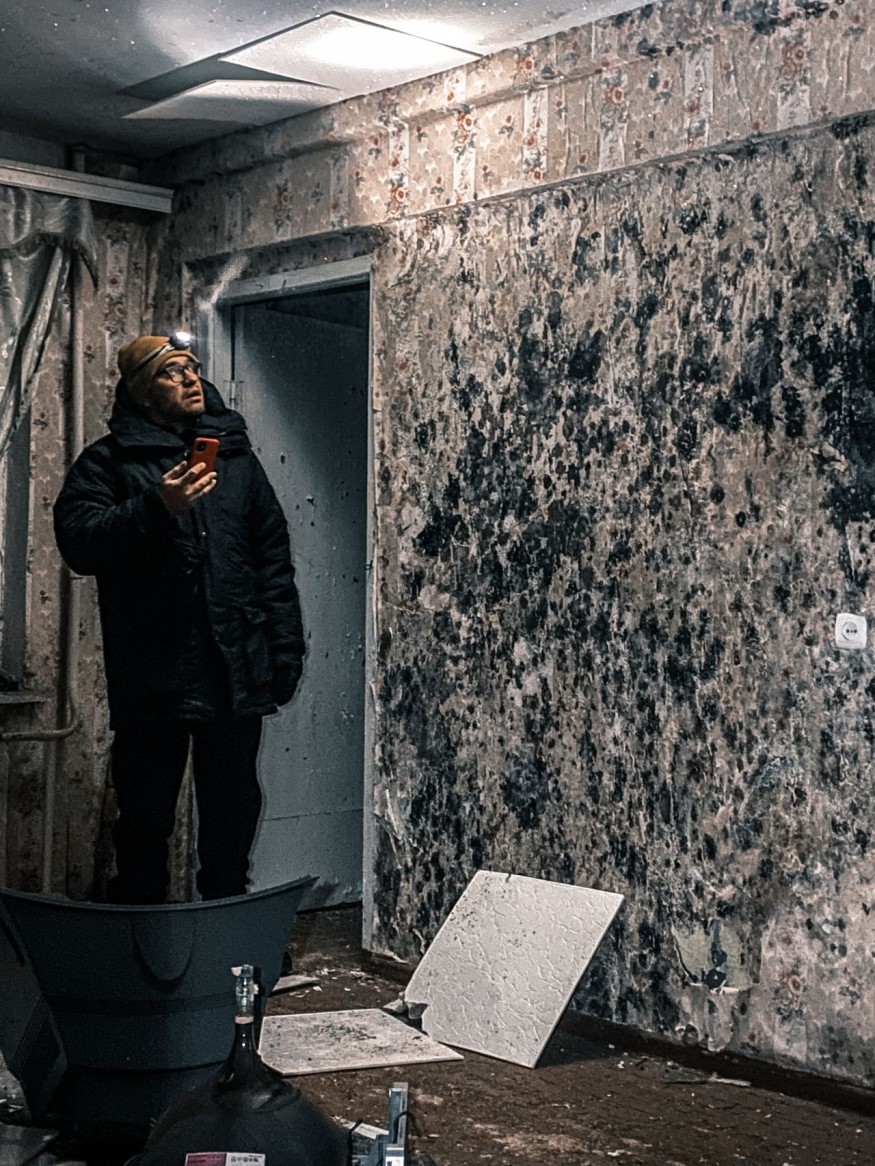
Moisture and mold are closely connected because mold can grow when materials remain damp. This makes moisture management one of the most important parts of mold prevention.
If mold repeatedly returns after cleaning, the source of moisture should be investigated. Simply removing visible growth without addressing a leak, condensation problem, or persistent dampness may only provide a temporary solution.
Areas affected by significant water intrusion may also require professional assessment, especially when porous materials have remained wet or when the source of the moisture is difficult to identify.
What Areas of the Home Are Most Vulnerable to Moisture?
Bathrooms and kitchens are naturally exposed to humidity, while basements and crawl spaces can face moisture from the surrounding soil or foundation. Attics may develop problems related to roof leaks, ventilation, or condensation. Windows and exterior walls can also become vulnerable when water intrusion or cold surfaces are involved.
Knowing these high-risk areas makes routine inspections more targeted. Instead of waiting for obvious damage, homeowners can periodically check locations where moisture problems are more likely to develop.
When Is Moisture a Sign of a Bigger Home Problem?
Persistent dampness deserves more attention when it continues despite ordinary ventilation and maintenance. Recurring stains, unexplained odors, damaged wood, repeated mold growth, or water appearing after rainfall can indicate a deeper issue.
Professional help may be appropriate when the source cannot be identified, water intrusion is extensive, or structural materials appear damaged. Addressing the cause early can help limit the spread of moisture damage and reduce the likelihood of more extensive repairs.
A Drier Home Starts With Consistent Moisture Control
The best approach to moisture problems in home spaces is prevention. Fixing leaks promptly, improving ventilation, managing indoor humidity, maintaining exterior drainage, and checking vulnerable areas regularly can help protect a home from avoidable damage. These simple habits also make it easier to spot problems while they are still manageable. Rather than treating dampness as an inevitable part of homeownership, consistent home moisture control gives homeowners a practical way to protect finishes, building materials, and indoor spaces for years to come.
Frequently Asked Questions
1. What causes excess moisture in a house?
Common causes include plumbing leaks, roof leaks, poor ventilation, high indoor humidity, condensation, and water entering through foundations or poorly drained areas.
2. How can homeowners prevent moisture problems?
Regular inspections, prompt leak repairs, adequate ventilation, proper drainage, and humidity management can help prevent moisture problems before they lead to significant damage.
3. Does condensation mean a house has too much moisture?
Recurring condensation can indicate excess indoor humidity, inadequate ventilation, or surfaces that are unusually cold. Persistent condensation should be investigated rather than continually wiped away.
4. How can moisture damage be prevented?
Preventing moisture damage starts with finding and correcting water sources quickly. Maintaining gutters, checking plumbing, improving ventilation, and addressing damp areas early can help prevent water damage and mold growth.


Move Over Beige: Farrow & Ball Says Purple Is About to Take Over Home Design

Have a Window in Your Shower? Here's What Designers Say You Should Do With It

The Retro Conversation Pit Is Back, and It Could Transform the Modern Living Room

Why Smart Gardeners Are "Banking" Their Gardens This Fall for a Better Spring

10 Feng Shui Office Ideas That Can Help Your Workspace Feel More Productive


