Want a Brighter Room? 7 Designer Tricks That Don’t Involve Repainting
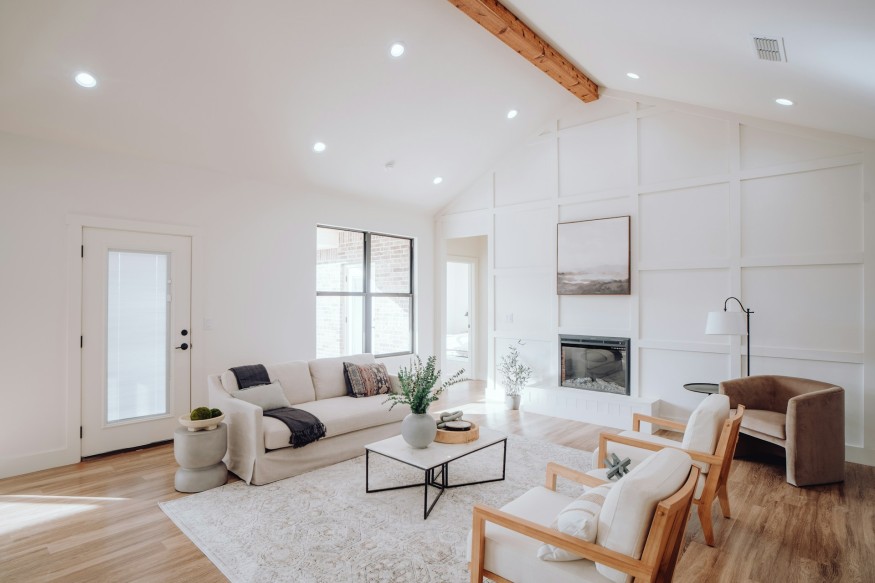
A room does not necessarily need a fresh coat of paint to feel brighter. While wall color plays an important role in how a space looks, the amount of natural light, placement of furniture, window treatments, reflective surfaces, and even the type of light bulbs used can dramatically change the overall impression of a room.
This is useful for homeowners who like their existing paint color but feel that the space looks darker than expected. Instead of repainting, a few strategic design changes can help distribute available light and make the room feel more open and luminous.
From reconsidering heavy window treatments to adding reflective finishes, these designer-approved strategies can brighten an interior while keeping its existing color palette intact.
1. Make the Most of Natural Light
The simplest way to make a room feel brighter is to avoid blocking the natural light that is already available.
Heavy curtains, oversized furniture, and decorative objects near windows can reduce the daylight reaching the rest of the room. Keeping window areas visually open can therefore make a noticeable difference.
Window treatments are particularly important. Instead of dense, opaque curtains, consider lightweight linen, cotton or sheer panels that soften sunlight without completely eliminating it.
You can also mount curtains closer to the ceiling and extend them beyond the window frame. This can make the window look larger while leaving more glass exposed when the curtains are open.
2. Add Mirrors Where They Can Reflect Light
Mirrors are one of the most established ways to make an interior feel brighter because they reflect both natural and artificial light.
However, adding a mirror to an empty wall isn't always the most effective approach. Placement matters.
A mirror positioned opposite or adjacent to a window can reflect daylight deeper into the room. In darker spaces, a large mirror can also create the visual impression of another opening or add depth to a wall.
You can group smaller mirrors, while oversized designs can serve as architectural focal points. The frame should complement the existing decor rather than compete with it.
3. Replace Heavy Window Treatments
Window treatments deserve special attention because they can dramatically affect how much daylight enters a room.
If a space feels gloomy despite having reasonably sized windows, bulky drapes may be contributing to the problem. Replacing them with lighter materials can let in more daylight without altering the walls.
For homeowners who need privacy, layered treatments can provide flexibility. Sheer curtains can remain closed during the day while heavier panels are reserved for nighttime.
You can also choose blinds and shades with light control in mind. A design that allows daylight to filter through while maintaining privacy can help balance functionality and brightness.
4. Introduce Reflective Surfaces
Mirrors aren't the only surfaces that reflect light. Glass, polished metal, glossy ceramic, and certain lacquered finishes can all help distribute light around an interior.
A glass coffee table, metallic lamp base, or reflective decorative object can introduce small points of brightness without changing the room's primary color.
The trick is moderation. Covering an entire room in highly reflective materials can create a visually busy effect. A handful of carefully selected finishes can provide enough contrast and light reflection without overwhelming the existing design.
5. Layer the Lighting
A single ceiling fixture rarely provides enough illumination to make a room feel bright and balanced.
Interior designers commonly use several layers of lighting, including ambient, task, and accent lighting. This approach lets light reach different areas of a room rather than concentrating it overhead.
Table lamps can brighten darker corners, while floor lamps can illuminate areas around seating. Wall sconces can add another light source without taking up floor space.
Under-cabinet lighting can also be useful in kitchens, while picture lights can highlight artwork and architectural details.
Using multiple sources creates a more evenly illuminated environment, particularly after sunset.
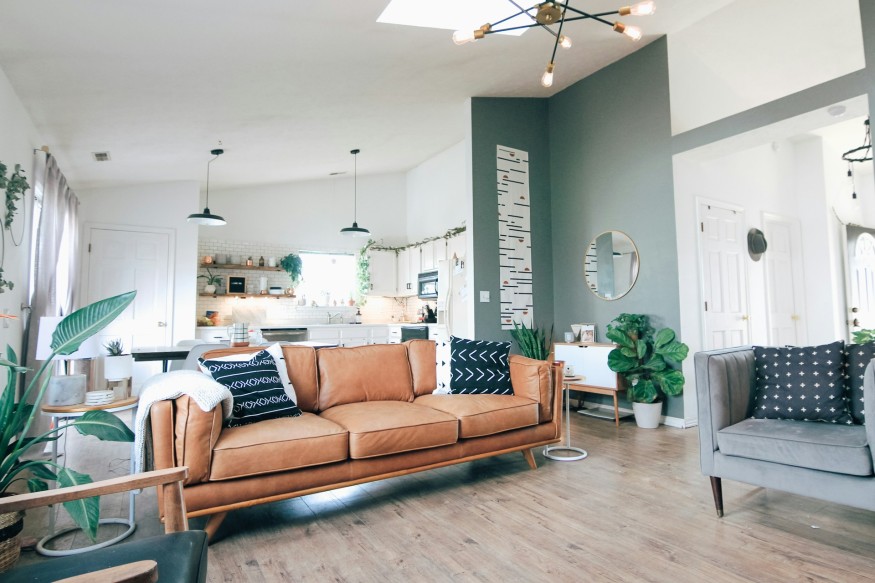
6. Choose Light Bulbs Carefully
A light bulb's color temperature and brightness can change the look of an entire room.
Warm lighting can create a cozy atmosphere, but extremely warm bulbs may make certain spaces appear darker or more yellow than intended. Cooler light can appear brighter, although overly cool lighting can sometimes feel stark.
The best choice depends on the room and the atmosphere homeowners want to create. Rather than relying solely on the wattage listed on a package, pay attention to the bulb's lumens, which indicate how much visible light it produces.
Using bulbs with appropriate brightness throughout the room can make existing finishes appear clearer without changing their color.
7. Reconsider Dark and Bulky Furniture Placement
Furniture can unexpectedly affect how bright a room feels.
A large sofa, bookcase, or cabinet placed directly in front of a window can obstruct daylight. Even when furniture does not physically cover a window, a crowded arrangement can prevent light from visually traveling through the space.
Creating clearer pathways around windows and keeping furniture slightly away from walls can make a room feel more open.
Furniture finishes matter too. Pieces with glass, lighter wood, metal or reflective details can help maintain a sense of visual openness.
This does not mean homeowners need to replace dark furniture. Simply rearranging existing pieces can sometimes make a noticeable difference.
Small Design Changes Can Transform a Darker Room
Making a room feel brighter does not always require repainting. Natural light, reflective surfaces, layered lighting, and thoughtful furniture placement can all influence how a space is perceived while leaving the existing color completely untouched.
The most effective approach is often a combination of several small adjustments. Opening up the windows, introducing a strategically positioned mirror, and adding a lamp to a dark corner may have a greater impact together than any single change.
For homeowners who already like their wall color, these strategies offer a practical way to refresh the atmosphere without starting over.
Frequently Asked Questions
1. How can a room look brighter without repainting?
Increasing natural light, adding mirrors, using lighter window treatments, introducing reflective surfaces and improving artificial lighting can all make a room appear brighter without changing its wall color.
2. Where should a mirror be placed to brighten a room?
A mirror placed opposite or near a window can reflect natural light into the room. Its effectiveness depends on the position of the window, the mirror and other objects that may block the reflected light.
3. Do lighter curtains make a room brighter?
Lightweight or sheer curtains generally let more daylight through than heavy, opaque window treatments. They can therefore help a room feel brighter while still providing some privacy.
4. What type of lighting makes a room look brighter?
Layered lighting is generally more effective than relying on one overhead fixture. Combining ceiling lights with table lamps, floor lamps, sconces or accent lighting can create more even illumination.


Dunn-Edwards' 2027 Color of the Year Is a Rich Brown With a Subtle Plum Undertone

6 Timeless Home Décor Choices That Will Still Look Good 10 Years From Now

Brise-Soleil Is Back: The Architectural Sun-Shading Feature Designers Are Using Again

How Breezeways Are Transforming Modern Homes With Air, Light and Outdoor Connection

Tyler Perry's 22.5-Acre Beverly Hills Estate Hits the Market for $57 Million


