Is Your Bedroom Keeping You Awake? Experts Reveal What to Remove

A bedroom should be one of the most comfortable and relaxing spaces in a home, but certain everyday items could be making it harder to get a good night's rest. While mattresses and pillows are usually the first things people consider when evaluating sleep quality, the surrounding environment also plays an important role. Lighting, electronics, decorative accessories, and even the choice of bedding can influence how easily the body transitions into sleep.
Interior designers increasingly emphasize the importance of creating bedrooms that balance aesthetics with functionality. A beautifully decorated space may look inviting during the day, but if it introduces unnecessary light, noise, heat, or distractions at night, it may not provide the conditions needed for restful sleep.
According to the Sleep Foundation, an ideal sleep environment should be cool, quiet, and dark. This means some popular bedroom accessories and decorating choices deserve a closer look.
1. Bright Overhead Lighting
A dramatic ceiling fixture can make a bedroom feel sophisticated, but relying exclusively on bright overhead lighting may create an environment that feels too stimulating before bedtime.
Exposure to artificial light in the evening can interfere with the body's natural circadian rhythm, which helps regulate the sleep-wake cycle. Bright lighting signals that it is still time to remain alert, potentially making it harder to wind down.
Designers recommend incorporating layered lighting instead of depending on one powerful ceiling fixture. Bedside lamps, wall sconces, and dimmable fixtures provide more control over the atmosphere.
Warm-toned bulbs can also create a softer environment, particularly during the hours leading up to bedtime. The goal is to make the bedroom feel comfortable and relaxing without sacrificing the lighting needed for reading or other activities.
2. Televisions and Other Electronic Devices
Televisions are common bedroom additions, especially in homes where the bedroom doubles as a personal entertainment space. However, watching television late at night can introduce several potential sleep distractions.
The light emitted by screens can affect the body's natural sleep signals, while the content itself may keep the mind engaged long after someone intends to go to bed. Smartphones, tablets, and laptops can create similar problems.
A more sleep-friendly approach is to keep electronic devices away from the immediate sleeping area. If removing a television is not practical, homeowners can establish a cutoff time for watching it and avoid leaving screens running overnight.
Charging stations can also be moved away from the bedside table to reduce the temptation to check notifications before sleeping.
3. Uncomfortable Decorative Pillows
Decorative pillows can make a bed look professionally styled, but an excessive number may become inconvenient when it is time to sleep.
Large arrangements of accent cushions can take up valuable space, requiring people to remove and relocate them every evening. They may also create unnecessary visual clutter, particularly in smaller bedrooms.
This does not mean decorative pillows need to disappear completely. Instead, homeowners can prioritize practical bedding arrangements, keeping only a few accent pieces that complement the room's design.
4. Mattresses That Have Lost Their Support
A mattress is one of the most important bedroom investments, yet it is also something homeowners sometimes keep long after its condition has deteriorated.
Visible sagging, uneven surfaces, persistent discomfort, and waking up with stiffness may indicate that a mattress is no longer providing adequate support.
However, the most expensive mattress is not necessarily the best choice. Comfort depends on several factors, including body weight, sleeping position, preferred firmness, and individual support requirements.
Memory foam, latex, and traditional innerspring mattresses offer different sleeping experiences. Testing options before purchasing can help homeowners identify what feels most comfortable.
5. Heavy Bedding That Traps Too Much Heat
Layered bedding can make a bedroom look luxurious, especially during colder months. However, thick comforters, synthetic fabrics, and excessive blankets may cause overheating.
Body temperature naturally decreases as a person prepares for sleep. An excessively warm sleeping environment can interfere with this process and contribute to nighttime discomfort.
Breathable materials such as cotton and linen are popular alternatives because they allow better airflow. Homeowners who tend to sleep hot may also benefit from lighter blankets and moisture-managing fabrics.
The ideal bedding arrangement should reflect the local climate, room temperature, and personal preferences rather than simply following a decorating trend.
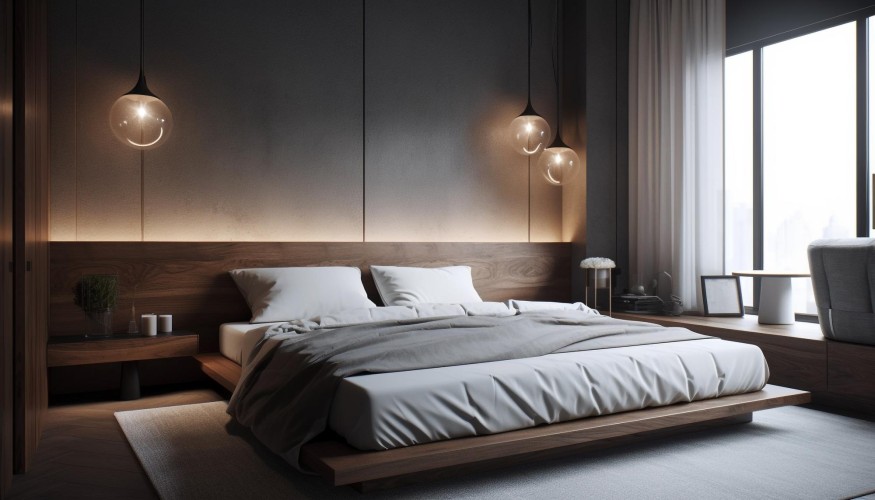
6. Cluttered Nightstands and Excessive Decorations
A bedside table filled with books, accessories, charging cables, skincare products, and miscellaneous belongings can make a bedroom feel visually overwhelming.
Although clutter does not automatically cause poor sleep, a disorganized environment may make it harder for some people to relax. The Sleep Foundation identifies reducing clutter as one way to create a more restful bedroom.
Interior designers often recommend keeping nightstands functional, with only essential items such as a lamp, an alarm clock, and a book.
Closed storage can help conceal everyday belongings while maintaining a clean appearance. This is particularly useful in compact bedrooms where every surface serves multiple purposes.
7. Light-Leaking Curtains
Beautiful curtains are an important part of bedroom design, but decorative window treatments may not provide enough darkness for comfortable sleeping.
Streetlights, outdoor security lighting, and early morning sunlight can enter through thin fabrics or poorly fitted window coverings.
Blackout curtains or properly fitted blinds can help reduce unwanted light. Homeowners who prefer the appearance of sheer curtains can combine them with a more substantial blackout layer.
8. Noisy or Poorly Positioned Bedroom Equipment
Fans, air-conditioning units, televisions, and other household equipment can introduce unwanted noise into the bedroom.
Even relatively low-level sounds may disturb sleep, particularly when they are inconsistent or occur unexpectedly. A noisy appliance can become especially frustrating in a bedroom intended for relaxation.
Homeowners should consider the placement and maintenance of bedroom equipment. Cleaning fans, servicing air-conditioning units, and choosing quieter appliances can help minimize unnecessary disturbances.
For additional guidance, the Centers for Disease Control and Prevention's recommendations for creating a good sleep environment include managing noise, keeping the room cool, and choosing comfortable bedding.
How to Create a More Sleep-Friendly Bedroom
Creating a comfortable bedroom does not necessarily require a complete renovation. Small adjustments can make the space more practical without compromising its visual appeal.
The most effective starting point is to evaluate the bedroom based on how it functions at night. Homeowners can replace overly bright lighting, remove unnecessary electronics, simplify bedside storage, and choose bedding appropriate for their sleeping preferences.
It is also important to remember that the ideal bedroom environment varies from person to person. Some people prefer complete silence, while others find consistent background noise more comfortable. Similarly, preferred temperatures and mattress firmness differ.
The Sleep Foundation's guide to designing an ideal bedroom for sleep offers additional recommendations for improving lighting, temperature, air quality, and overall comfort.
Ultimately, a bedroom should be designed around the needs of the people using it. A space that looks beautiful but feels uncomfortable at night may need a few thoughtful changes to become the restful retreat it is intended to be.
Frequently Asked Questions
1. What items should not be in a bedroom?
Excessive electronics, bright lighting, uncomfortable bedding, and unnecessary clutter can make a bedroom less conducive to sleep. Removing or repositioning these items may help create a more relaxing environment.
2. Does bedroom lighting affect sleep quality?
Yes. Bright artificial light at night can interfere with the body's circadian rhythm. Dimmable lighting and warm-toned bulbs can help create a more relaxing atmosphere before bedtime.
3. What is the ideal bedroom temperature for sleeping?
A comfortably cool environment is generally recommended. The Sleep Foundation identifies approximately 60 to 71 degrees Fahrenheit as a suitable range for many adults, although individual preferences vary.


IKEA Reveals Its 2027 Color of the Year, and It's a Bold New Direction for Interiors

Bella Hadid Buys $5.5 Million Colorado Mountain Home in Crested Butte

Brussels Furniture Fair 2026 Showcases New Collections and European Design

Lady Gaga's Former NYC Penthouse in the Historic Hit Factory Lists for $6.995 Million

Move Over, Bows: Tassels Are Bringing Texture and Luxury to Christmas Decor in 2026


