Brussels Furniture Fair 2026 Showcases New Collections and European Design
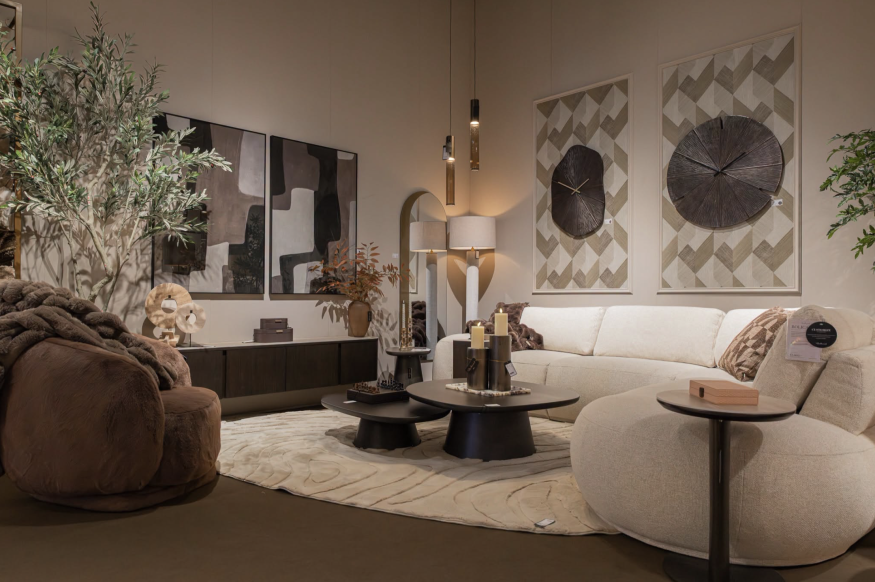
The European furniture industry gathered in Brussels from November 8 to 11 for the 2026 edition of Brussels Furniture Fair, an annual trade event showcasing new collections, contemporary furniture, and developments across the residential and contract design markets.
Held at Brussels Expo in Belgium, the event brought together furniture manufacturers, retailers, designers, and industry professionals looking to explore new products and establish business connections. Its format covered multiple areas of the furniture industry, from contemporary seating and bedroom furniture to outdoor collections and emerging Belgian design talent.
The 2026 edition continued the fair's emphasis on connecting established manufacturers with retailers and professionals seeking commercially relevant furniture collections. Rather than focusing exclusively on experimental design, the event offered a broad selection of products intended for the European furniture market.
According to the official Brussels Furniture Fair website, the event was organized around eight distinct segments, giving visitors a structured way to explore different furniture categories and design directions.
Eight Segments Cover Different Areas of Furniture Design
One of the defining features of Brussels Furniture Fair is its division into specialized exhibition areas. This approach allows visitors to navigate the event according to their professional interests, whether they are searching for contemporary living room furniture, bedroom collections, or outdoor products.
The 2026 edition featured eight segments: Urban, Brussels By Night, Blend, Patio, Terra, Select, Soft Living, and Belgian Design Island.
Each section represented a different part of the furniture market.
Urban: Contemporary Furniture and Seating
Urban focused on contemporary furniture and seating, offering visitors access to collections designed for modern residential interiors.
The segment reflected the importance of adaptable furniture in today's homes, where living areas frequently serve several purposes. Seating collections, modular arrangements, and contemporary furniture silhouettes remain relevant to manufacturers serving homeowners who want both visual appeal and everyday functionality.
Brussels By Night: Bedroom Furniture and Sleep Design
Brussels By Night was dedicated to the bedroom and sleep industry.
The segment provided a specialized platform for bedroom furniture manufacturers and sleep-related businesses. Beds, mattresses, and bedroom furnishings are important categories within the wider residential furniture market, making this exhibition area relevant to retailers and professionals working with private residential projects.
Bedroom design also continues to evolve alongside changing expectations around comfort, wellness, and the use of residential space.
Blend: Atmospheric Living
Blend explored atmospheric living, highlighting the relationship between furniture, materials, and the overall character of an interior.
The segment provided an opportunity to consider how individual furniture pieces contribute to a broader residential environment. This is particularly relevant to contemporary interior design, where homeowners increasingly approach rooms as coordinated spaces rather than collections of unrelated products.
Patio and Terra: Outdoor Furniture and Living
Outdoor furniture received attention through the Patio and Terra segments.
Patio brought together manufacturers, while Terra focused on outdoor furniture, lighting, and decoration.
These categories reflect the continuing importance of outdoor living areas in residential design. Gardens, terraces, and balconies are increasingly treated as extensions of indoor spaces, creating demand for furniture that balances durability with the visual qualities of interior furnishings.
Outdoor lighting and decorative accessories also play an important role in making these spaces usable beyond daylight hours.
Select and Soft Living: Accessibility and Value
Select focused on budget-conscious and trend-oriented furniture, while Soft Living highlighted accessible design as an alternative within the wider furniture market.
These segments are relevant to retailers serving consumers with different budgets and furnishing requirements.
Accessible furniture design does not necessarily mean sacrificing visual appeal. Manufacturers can explore practical construction, flexible configurations, and approachable materials while maintaining contemporary aesthetics.
Belgian Design Island Highlights Established and Emerging Talent
Another important part of the event was Belgian Design Island, a dedicated area bringing together recognized designers and emerging creative talent.
The exhibition provided a platform for discovering work associated with Belgium's furniture and product design scene.
Belgium has a long-standing relationship with architecture, craftsmanship, and contemporary design. Its furniture industry includes both established manufacturers and independent designers exploring materials, proportions, and new approaches to everyday objects.
By bringing different generations of design talent into one exhibition area, Belgian Design Island offered visitors an opportunity to explore a wider range of creative approaches.
For retailers and design professionals, these presentations can also provide insight into emerging directions in furniture production and product development.
Manufacturers Introduce New Materials and Collections
Alongside the wider exhibition, individual manufacturers used the event to present new furniture offerings and material developments.
One example was Belgian furniture manufacturer Mobitec, which highlighted updates to its Select range.
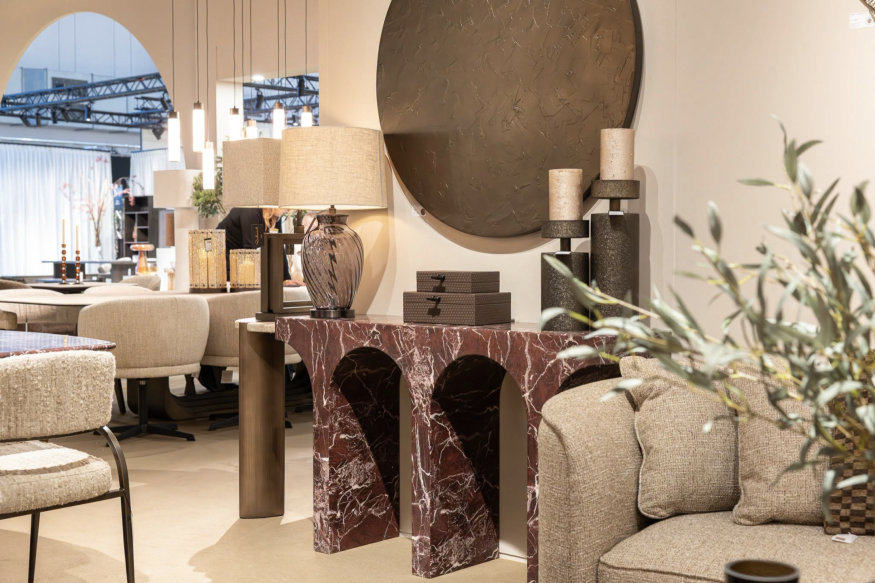
The company's presentation included ceramic surfaces sourced from manufacturers such as Florim, Inalco, and Dekton by Cosentino. The materials featured realistic patterns, refined textures, and softly rounded edges.
Mobitec also presented Fabric Select, a collection of upholstery textiles chosen for their weaving techniques, prints, textures, and tactile qualities.
The company's participation illustrates how furniture manufacturers are continuing to explore customization through surface finishes and upholstery materials.
For consumers and interior designers, these details matter because they influence the appearance, comfort, and practical performance of furniture.
The ability to select different fabrics and finishes also makes it easier to coordinate furniture with existing interior palettes.
Further details about these introductions are available through Mobitec's Brussels Furniture Fair 2026 presentation.
Why Furniture Trade Fairs Remain Important to the Design Industry
Furniture exhibitions continue to play an important role in connecting manufacturers with the wider design and retail industries.
Although digital catalogs and online product presentations have made furniture collections easier to discover, physical exhibitions offer something different. Visitors can examine construction details, assess upholstery textures, compare finishes, and experience the proportions of furniture in person.
These interactions are particularly valuable when evaluating products that depend heavily on material quality and physical comfort.
Trade fairs also provide manufacturers with opportunities to introduce new products to potential retail partners and strengthen existing industry relationships.
For interior designers, the exhibitions offer a concentrated opportunity to discover manufacturers, evaluate product specifications, and identify furniture suitable for future residential and commercial projects.
Brussels Continues to Support European Furniture Design
The 2026 Brussels Furniture Fair concluded on November 11 after four days of exhibitions and industry meetings.
Its eight-part structure brought together contemporary furniture, bedroom design, outdoor living, accessible collections, and Belgian creative talent within one event.
The exhibition also demonstrated the continuing importance of material selection and customization in the furniture industry.
As manufacturers respond to changing residential needs, trade events such as Brussels Furniture Fair provide an opportunity to examine how furniture design, production, and retail are developing across Europe.


Bella Hadid Buys $5.5 Million Colorado Mountain Home in Crested Butte

Thinking About DIY Home Repairs? These Unexpected Costs Could Change Your Mind

Move Over, Bows: Tassels Are Bringing Texture and Luxury to Christmas Decor in 2026

Lady Gaga's Former NYC Penthouse in the Historic Hit Factory Lists for $6.995 Million

Brussels Furniture Fair 2026 Showcases New Collections and European Design


