From Bold Paint to Wood Paneling: Ceiling Ideas That Elevate Interiors
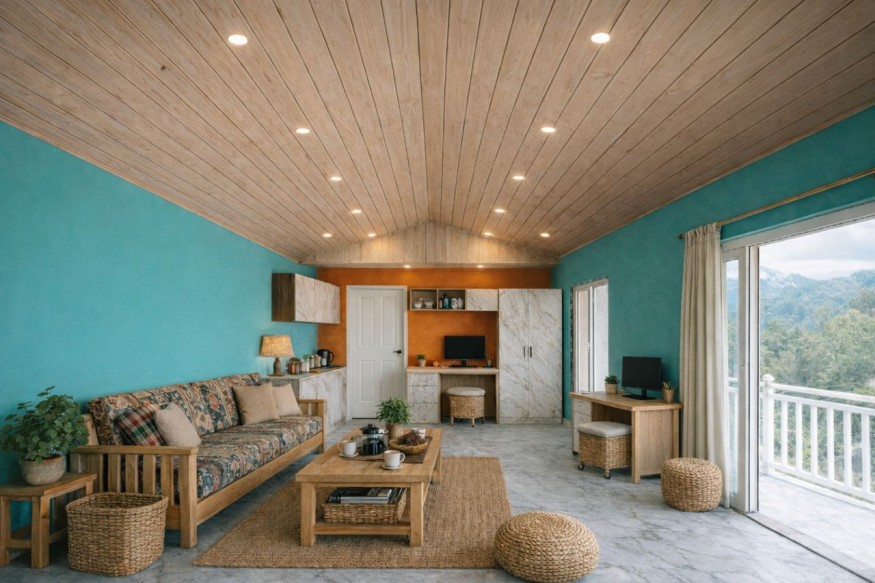
A ceiling can do far more than conceal wiring, support lighting fixtures, and complete a room's basic structure. Often called the fifth wall, it offers an overlooked opportunity to introduce color, texture, architectural character, and visual interest into a home. With the right treatment, even a relatively simple room can feel more considered and distinctive without requiring an extensive renovation.
Ceiling design has become an important part of creating cohesive interiors, particularly as homeowners look for ways to make familiar spaces feel more personal. Options range from a fresh coat of paint to decorative moldings, wood paneling, wallpaper, and sculptural lighting. The best approach depends on the room's proportions, existing finishes, natural light, and overall design style.
According to Architectural Digest's guide to creative ceiling ideas, the fifth wall can serve as a focal point through unexpected geometry, textured materials, and expressive finishes. The key is choosing a treatment that enhances the room rather than competing with everything beneath it.
Why Ceiling Design Deserves More Attention
Walls, flooring, and furniture typically receive most of the attention during a decorating project. However, ceilings occupy a significant portion of a room's visible space, influencing how its proportions and finishes are perceived.
A thoughtfully designed ceiling can help establish a room's mood, reinforce its architectural character, and connect different elements of the interior. For example, a warm wood ceiling can complement natural flooring, while a painted ceiling can echo an accent color found in upholstery or artwork.
Ceiling treatments can also influence perceived proportions. Vertical details, carefully placed lighting, and subtle changes in finish can draw the eye upward, while darker colors may create a more intimate atmosphere. These effects depend on ceiling height, illumination, and the surrounding palette, so the finish should be selected with the room as a whole in mind.
Creative Ceiling Treatments That Change a Room
1. Painted Ceilings That Introduce Color
Painting a ceiling is one of the most accessible ways to make it a design feature. White remains a versatile choice, but muted greens, dusty blues, warm terracotta, and soft pinks can introduce personality without overwhelming the room.
A ceiling painted in the same color as the walls creates a continuous effect that can feel enveloping, particularly in bedrooms, reading rooms, and compact spaces. A contrasting shade creates a more defined focal point, especially when paired with restrained furnishings.
For a subtle result, homeowners can select a ceiling color that is a lighter or deeper variation of the wall color. More adventurous interiors can use a saturated shade, provided the lighting and other finishes support the choice.
2. Wallpaper That Adds Pattern and Personality
Ceiling wallpaper offers an opportunity to introduce pattern without covering every wall. Botanical prints, geometric designs, delicate stripes, and traditional motifs can make a room feel more expressive.
This treatment works particularly well in powder rooms, bedrooms, entryways, and dining areas, where a decorative ceiling can establish a distinct atmosphere. In rooms with patterned upholstery or elaborate wall finishes, a smaller-scale print or a coordinated color palette can prevent visual competition.
Before installation, homeowners should confirm that the ceiling surface is suitable for wallpaper and that the adhesive and material are appropriate for the room's humidity conditions. Professional installation may be worthwhile for complex patterns or difficult ceiling angles.
3. Wood Paneling for Warmth and Texture
Wood ceilings bring natural texture into interiors and can complement contemporary, rustic, Scandinavian, coastal, or traditional homes. Options include narrow boards, tongue-and-groove paneling, and larger wood panels with visible grain.
Light wood finishes can reinforce an airy, relaxed atmosphere, while darker timber can give a room a more dramatic, established character. Wood paneling also provides a useful connection between architectural details, furniture, and flooring.
Material selection matters. Solid wood, engineered products, and wood-look alternatives have different costs, installation requirements, and maintenance needs. Homeowners should also account for the ceiling's weight capacity, moisture exposure, and any applicable fire-safety requirements before installation.
4. Decorative Beams and Coffered Details
Architectural details can give a ceiling depth and definition. Exposed beams are often associated with farmhouse, rustic, and industrial interiors, although streamlined versions also work in contemporary homes.
Coffered ceilings use a grid of recessed panels to introduce structure and rhythm. They can be particularly effective in larger living rooms, dining rooms, and spaces with sufficient ceiling height.
These treatments require careful attention to scale. Oversized beams or elaborate coffers can overwhelm a low ceiling, while smaller, simpler details may provide the desired character without making the room feel crowded. Decorative beams should also be distinguished from structural elements, which require appropriate professional assessment before any alteration.
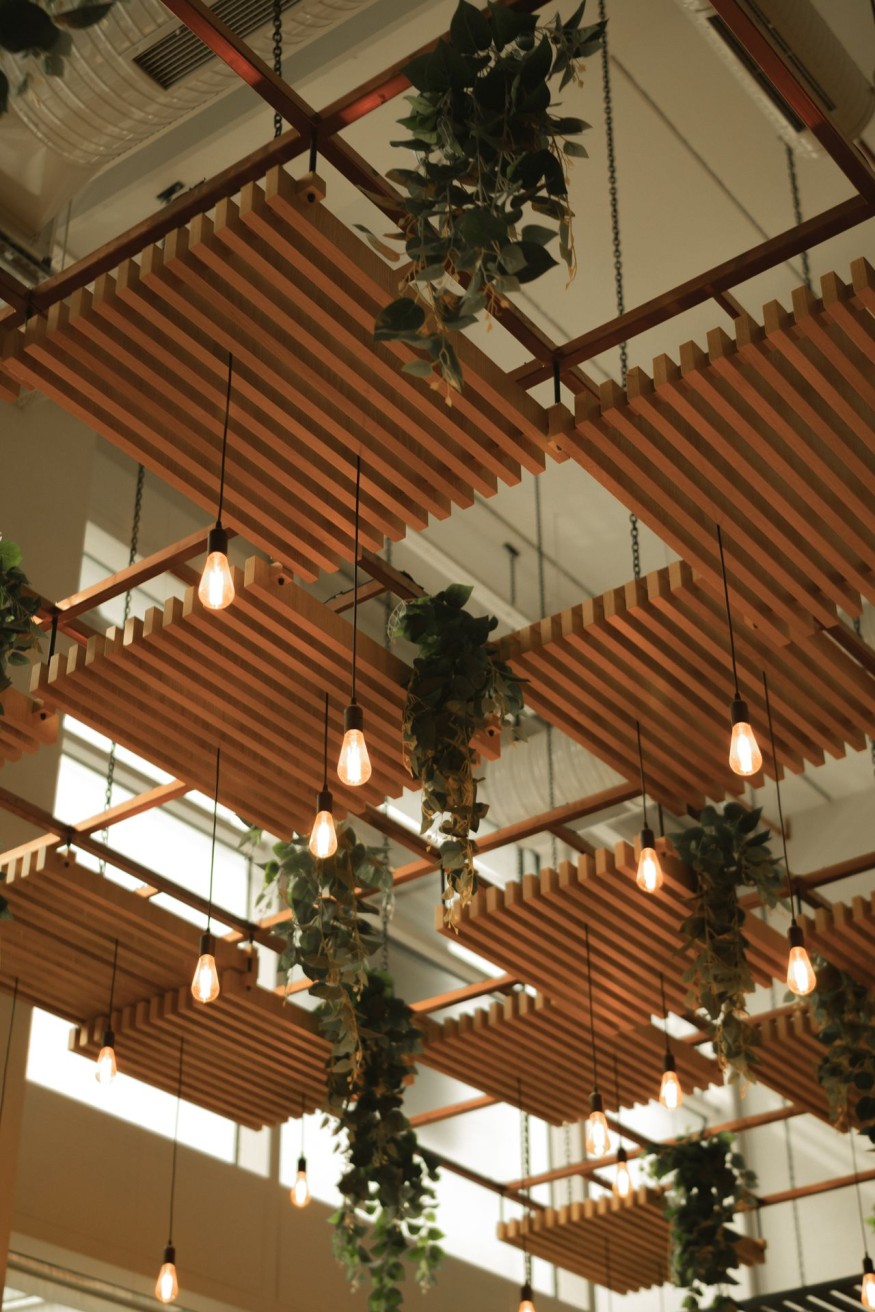
5. Sculptural Lighting and Subtle Architectural Finishes
Lighting can transform a ceiling without covering its entire surface. A pendant light, chandelier, or coordinated arrangement of fixtures can create a focal point while supporting the room's practical needs.
Recessed lighting, concealed LED strips, and wall washers can highlight ceiling textures, moldings, and changes in elevation. Cove lighting, for example, produces indirect illumination that can soften the transition between the ceiling and walls.
Other options include decorative plasterwork, ceiling medallions, and subtle geometric details. These finishes can be especially effective in older homes, where they complement existing architectural character, or in newer interiors that need an additional layer of visual interest.
Choosing the Right Treatment for the Space
The most successful ceiling designs respond to the room's architecture instead of treating the ceiling as an isolated surface. Homeowners should consider the following factors before committing to a finish.
- Ceiling height: Low ceilings generally benefit from restrained detailing, while taller rooms can accommodate beams, elaborate moldings, and larger fixtures.
- Natural light: Dark finishes can feel dramatic in bright rooms but may make poorly lit spaces feel heavier.
- Existing materials: Wood, stone, tile, flooring, and cabinetry should work together with the ceiling finish.
- Maintenance requirements: Wallpaper, exposed timber, textured plaster, and decorative lighting have different cleaning and upkeep needs.
- Budget and installation: Paint is usually less expensive than custom paneling or elaborate architectural work, although preparation and labor affect the final cost.
Homeowners should also consider practical building conditions. Ceiling alterations may conceal electrical wiring, plumbing, ventilation equipment, or other services that need access for maintenance. More substantial changes should be planned with qualified contractors.
Bringing the Fifth Wall Into the Overall Design
A statement ceiling does not have to dominate the room. In many interiors, a subtle finish provides a stronger result because it complements the furniture, lighting, and architecture instead of competing with them.
A bedroom might benefit from a softly painted ceiling and simple wood detailing, while a dining room could accommodate patterned wallpaper and a pendant fixture. In a living room, decorative beams or understated coffers may provide enough structure to distinguish the space without requiring additional ornament.
The most effective treatment is one that suits both the room's proportions and the way it is used. By considering the ceiling alongside walls, flooring, and lighting from the beginning, homeowners can create interiors that feel more cohesive and intentional.
Frequently Asked Questions
1. What is the fifth wall in interior design?
The fifth wall refers to the ceiling. Designers use the term to emphasize its potential as a decorative surface through paint, wallpaper, paneling, architectural details, and lighting.
2. What is the easiest way to upgrade a plain ceiling?
Painting is often the simplest option because it requires relatively little material compared with paneling or custom architectural work. A decorative light fixture or ceiling medallion can also add character without changing the entire surface.
3. Do dark ceilings make rooms look smaller?
Dark ceilings can create a more intimate atmosphere and may appear lower, especially in rooms with limited natural light. However, their effect depends on the room's proportions, lighting, and relationship between ceiling and wall colors.


Kohler and Aerin Lauder Introduce Delft-Inspired Floral Bathroom Fixtures

Benjamin Moore's 2027 Color of the Year Is a Nature-Inspired Green With Timeless Appeal

How to Host and Style a Party That Feels Warm, Welcoming, and Effortlessly Stylish

California Considers New Restrictions on Engineered Stone Countertops Over Silica Risks

From Craft Rooms to Music Studios: Why Dedicated Hobby Spaces Are Trending


