Wood-Paneled Walls Are Back: How Wood Wall Design Trends Are Warming Up Modern Homes
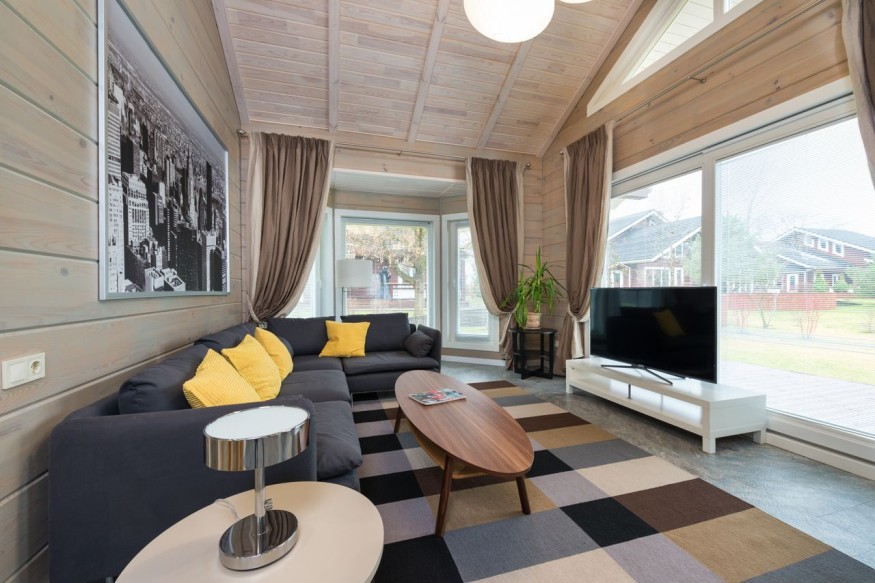
For years, wood-paneled walls were associated with dark interiors, dated basements, and retro decorating schemes. Now, the material is making a noticeable return in contemporary homes. Instead of recreating the heavy paneling of decades past, today's designers are using wood in more thoughtful ways, pairing natural finishes with clean lines, soft colors, and modern furnishings.
The renewed interest in wood-paneled walls reflects a larger shift in how interiors are being designed. After years of minimalist spaces dominated by cool neutrals and sleek surfaces, homeowners are increasingly drawn to rooms that feel warmer, more layered, and connected to natural materials.
The latest wood wall design trends show that paneling can feel sophisticated, architectural, and current when the right material, finish, and placement are chosen.
Why Are Wood-Paneled Walls Making a Comeback?
The appeal of wood lies partly in its ability to add warmth without requiring a room to become visually busy. Natural grain introduces texture and character, giving plain walls an architectural quality that paint alone cannot always provide.
This renewed interest also reflects changing preferences in modern interior design trends. Contemporary spaces are becoming less focused on stark minimalism and more interested in comfort, craftsmanship, and materials that create a sense of permanence.
Wood also works across decorating styles. A pale oak wall can complement a Scandinavian-inspired room, while walnut can bring depth to a more sophisticated living space. Fluted panels can provide a contemporary architectural detail without making a room feel overly decorative.
Read more: From 'The Odyssey' to Your Home: 5 Ancient Greek Interior Design Ideas That Never Go Out of Style
Are Wood-Paneled Walls Outdated?
Wood paneling itself is not outdated. The appearance depends heavily on the type of wood, finish, scale, and surrounding decor.
Older paneling often relied on dark stains, glossy finishes, and wall-to-wall applications. Modern interpretations tend to use lighter woods, visible grain, matte finishes, and more selective placement.
The result is a wall treatment that feels intentional rather than nostalgic. Designers may use wood behind a bed, along a living room wall, or around an architectural feature instead of covering every available surface.
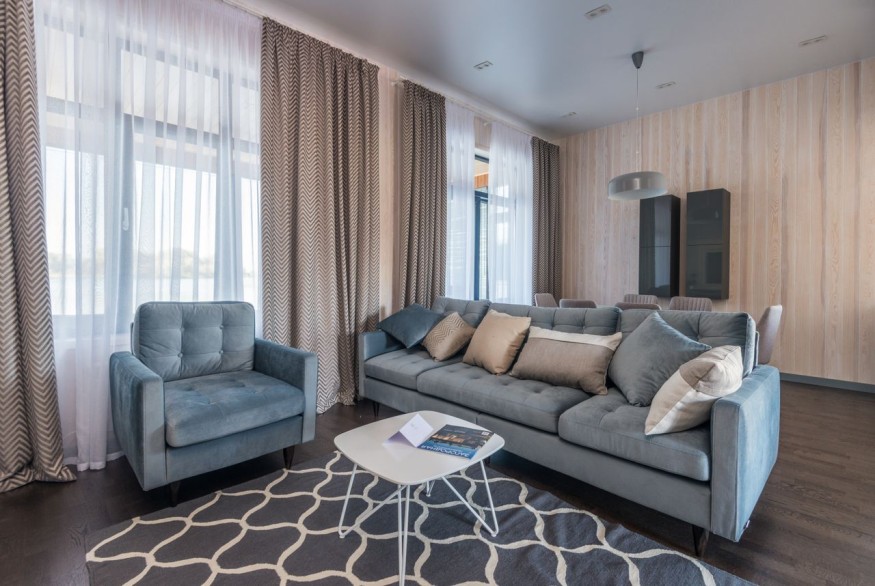
Furniture also makes a significant difference. Contemporary sofas, sculptural lighting, streamlined cabinetry, and simple textiles can prevent wood paneling from feeling overly traditional.
What Is the Modern Way to Use Wood Paneling?
Today's approach is generally more restrained. Rather than treating wood as a complete room covering, designers often use it to emphasize one particular area.
A bedroom wall behind the bed can become a natural focal point, while a living room panel can frame a television or fireplace. In an entryway, wood can provide texture and establish a warmer atmosphere from the moment someone enters the home.
The direction of the boards can also influence the room. Vertical applications can draw the eye upward, while horizontal boards can emphasize the width of a space. Slatted and fluted designs introduce another layer of texture while maintaining a clean appearance.
Which Wood Wall Design Trends Are Popular Now?
Several contemporary approaches are helping wood paneling move beyond its retro reputation:
- Light natural wood: Oak and other pale finishes create an airy, contemporary appearance.
- Vertical slats: Narrow vertical boards add texture and can make ceilings appear taller.
- Fluted wood: Reeded surfaces introduce subtle shadows and architectural dimension.
- Warm walnut: Richer wood tones add depth to living rooms, bedrooms, and offices.
- Geometric panels: Carefully arranged shapes can turn a wood wall into an understated design feature.
These treatments demonstrate how flexible the material has become. The latest wood wall design trends are less about following one specific aesthetic and more about using natural texture to give a room greater character.
Is Wood Paneling Good for a Modern Interior?
Wood can be particularly effective in contemporary interiors because it balances harder architectural materials. Concrete, glass, metal, and stone can create a sophisticated appearance, but too many hard surfaces may make a room feel cold.
A wood-paneled wall introduces an organic element that softens those materials. This is one reason wood continues to appear across modern interior design trends, particularly in homes emphasizing comfort and natural finishes.
Wood can also serve as a neutral backdrop. Unlike strongly patterned wallpaper or brightly painted walls, natural timber allows furniture, artwork, and decorative objects to remain the focus.
What Colors Work Best With Wood-Paneled Walls?
The surrounding color palette should complement the undertones of the wood. Warm woods generally work well with cream, beige, taupe, terracotta, and earthy greens. Cooler or pale woods can pair naturally with soft whites, muted blues, gray-green shades, and other understated colors.
Dark wood can also work in modern spaces, particularly when balanced with lighter upholstery, reflective surfaces, and adequate lighting. The goal is to create contrast without allowing the wall treatment to dominate the room.
Where Should Wood Paneling Be Used?
Wood paneling can work in almost any area of the home when the material is appropriate for the environment. Living rooms and bedrooms are particularly well suited because wood can contribute to a cozy atmosphere.
Dining rooms can benefit from a paneled feature wall, while home offices can use wood to create a more visually substantial background. In bathrooms, moisture-resistant wood products and appropriate installation are essential.
The scale of the room should also influence the choice. A heavily textured or dark panel may feel overwhelming in a small space, whereas a pale, finely detailed treatment can provide interest without making the room appear smaller.
How Can Wood Paneling Look More Contemporary?
The easiest way to keep wood paneling current is to balance it with modern elements. Simple furniture, uncluttered surfaces, contemporary lighting, and restrained accessories can make traditional materials feel fresh.
It is also useful to consider the natural character of the wood rather than trying to conceal it. Visible grain, subtle variations, and matte finishes tend to create a more relaxed appearance than highly polished surfaces.
Most importantly, wood does not need to cover an entire room. A single feature wall can have enough visual impact to transform an otherwise ordinary interior.
Why Wood-Paneled Walls Feel Right for Today's Homes
The return of wood-paneled walls is part of a broader movement toward interiors that feel warmer, more tactile, and more personal. Today's versions have little in common with the heavy paneling that once defined dated interiors.
Instead, contemporary wood treatments focus on natural grain, thoughtful proportions, and selective placement. They can add architectural interest while making a room feel more comfortable and connected to nature.
As wood wall design trends continue to evolve, the material is likely to remain relevant because it works with rather than against the principles shaping modern interior design trends. Its appeal is not simply nostalgic. Wood offers something many contemporary spaces need: warmth, texture, and a sense of character that does not depend on excessive decoration.
Frequently Asked Questions
1. Are wood-paneled walls still in style?
Yes. Modern wood paneling is increasingly used as an architectural feature in contemporary homes. Lighter finishes, natural grain, vertical slats, and fluted designs can give wood walls a current appearance.
2. What type of wood is best for wall paneling?
Oak, walnut, pine, and other wood species can work well depending on the desired appearance and budget. The finish and grain pattern are just as important as the species when creating a particular design style.
3. Do wood-paneled walls make a room look smaller?
Dark or heavily textured paneling can make a small room feel more enclosed. Lighter woods and streamlined panel designs can help maintain an open appearance while still adding warmth and texture.
4. Can wood paneling work with modern furniture?
Yes. Contemporary furniture can provide an effective contrast to natural wood. Clean-lined sofas, minimalist lighting, modern artwork, and simple textiles can keep the overall room feeling fresh and balanced.


10 Low-Light Houseplants That Can Thrive in Your Home's Shadiest Corners

Staud Home Has Arrived With Playful Ceramics, Leather Goods and More

Don't Leave Your Empty Fireplace Bare: Designers Share What to Do Instead

Cold Minimalism Is Losing Ground. This Is What Designers Want Instead

The Essential Guide to Designing a Root Cellar for Winter Produce


