The Best Recessed Lighting Alternatives for Timeless, Better-Looking Home Interiors
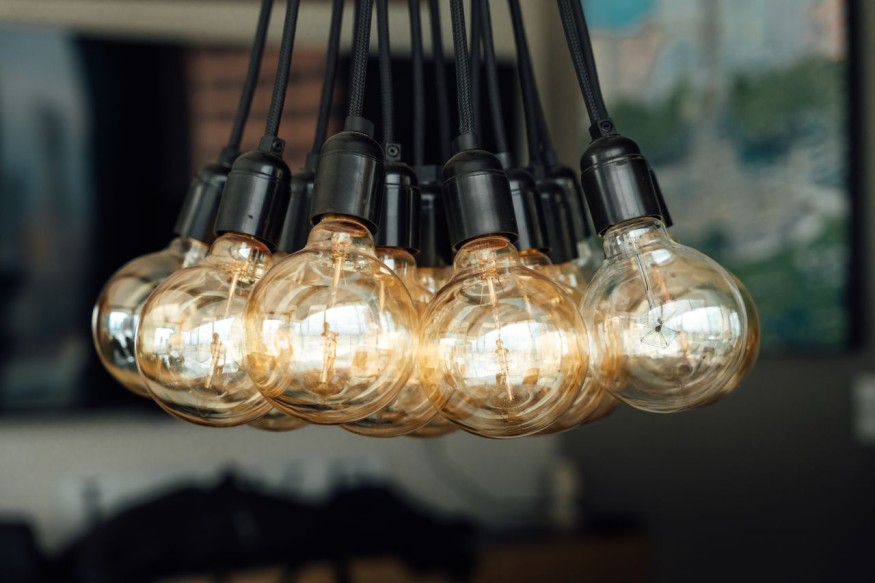
Recessed lighting has become a default choice in many modern homes. The low-profile fixtures disappear into the ceiling, provide plenty of illumination and can work well in spaces where a streamlined look is the goal. But when an entire room relies on rows of recessed lights, the result can sometimes feel less thoughtfully designed.
The issue is not that recessed lighting is inherently unattractive or outdated. Rather, using it as the only source of illumination can leave a room without much visual interest. Decorative ceiling light fixtures can add shape, texture and personality while still providing practical overhead lighting.
Among the most versatile recessed lighting alternatives are flush-mount and semi-flush-mount fixtures. These classic options have returned to the spotlight as homeowners look for lighting that feels intentional instead of purely functional.
Are Recessed Lights Going Out of Style?
Recessed lights are not necessarily going out of style. They remain useful for kitchens, hallways, bathrooms and other areas that benefit from focused illumination. Their unobtrusive design also makes them suitable for homes with minimalist interiors.
However, current interior lighting trends increasingly emphasize layered illumination and fixtures that contribute to a room's overall aesthetic. Instead of treating the ceiling as a blank surface that needs to be filled with lights, designers are considering lighting as part of the architecture and decor.
A ceiling covered with evenly spaced recessed fixtures can also create a predictable appearance. In rooms that already contain furniture, artwork and decorative details, a more distinctive light fixture can provide an additional focal point.
What Is the Best Alternative to Recessed Lighting?
A flush-mount ceiling fixture is one of the easiest alternatives to consider. It sits close to the ceiling but remains visible, allowing its shape and materials to contribute to the room.
Classic flush mounts can feature frosted glass, linen shades, aged metal, ceramic details or sculptural silhouettes. Because they do not hang significantly from the ceiling, they can work in rooms where a chandelier or pendant would be impractical.
Semi-flush fixtures offer another option. These extend slightly from the ceiling, creating more dimension while maintaining a relatively compact profile. They can be particularly effective in bedrooms, entryways, dining areas and living rooms.
The advantage of both styles is that they provide functional overhead illumination without disappearing completely into the ceiling.
Why Are Classic Ceiling Light Fixtures Making a Comeback?
Lighting has increasingly become an opportunity to introduce character into otherwise simple rooms. A carefully selected fixture can bring warmth to a contemporary space or reinforce the architectural character of an older home.
Classic lighting fixtures also tend to have staying power because their appeal does not depend entirely on a short-lived decorating trend. A simple opal-glass globe, traditional lantern or understated brass fixture can complement several design styles over time.
This does not mean every room needs an ornate chandelier. The idea is to select a fixture with enough visual presence to feel intentional without competing with the rest of the room.
Material matters, too. Glass can soften the appearance of a fixture, while metal can provide definition. Fabric shades can create a warmer glow, making them especially appealing in bedrooms and living spaces.
What Are the Most Stylish Recessed Lighting Alternatives?
Flush-Mount Fixtures
Flush mounts are practical for rooms with low or standard-height ceilings. Their close-to-ceiling construction keeps the profile tidy while allowing decorative details to remain visible.
Semi-Flush Fixtures
A semi-flush fixture provides slightly more depth than a flush mount. It can create a stronger decorative statement without requiring the ceiling height needed for a pendant or chandelier.
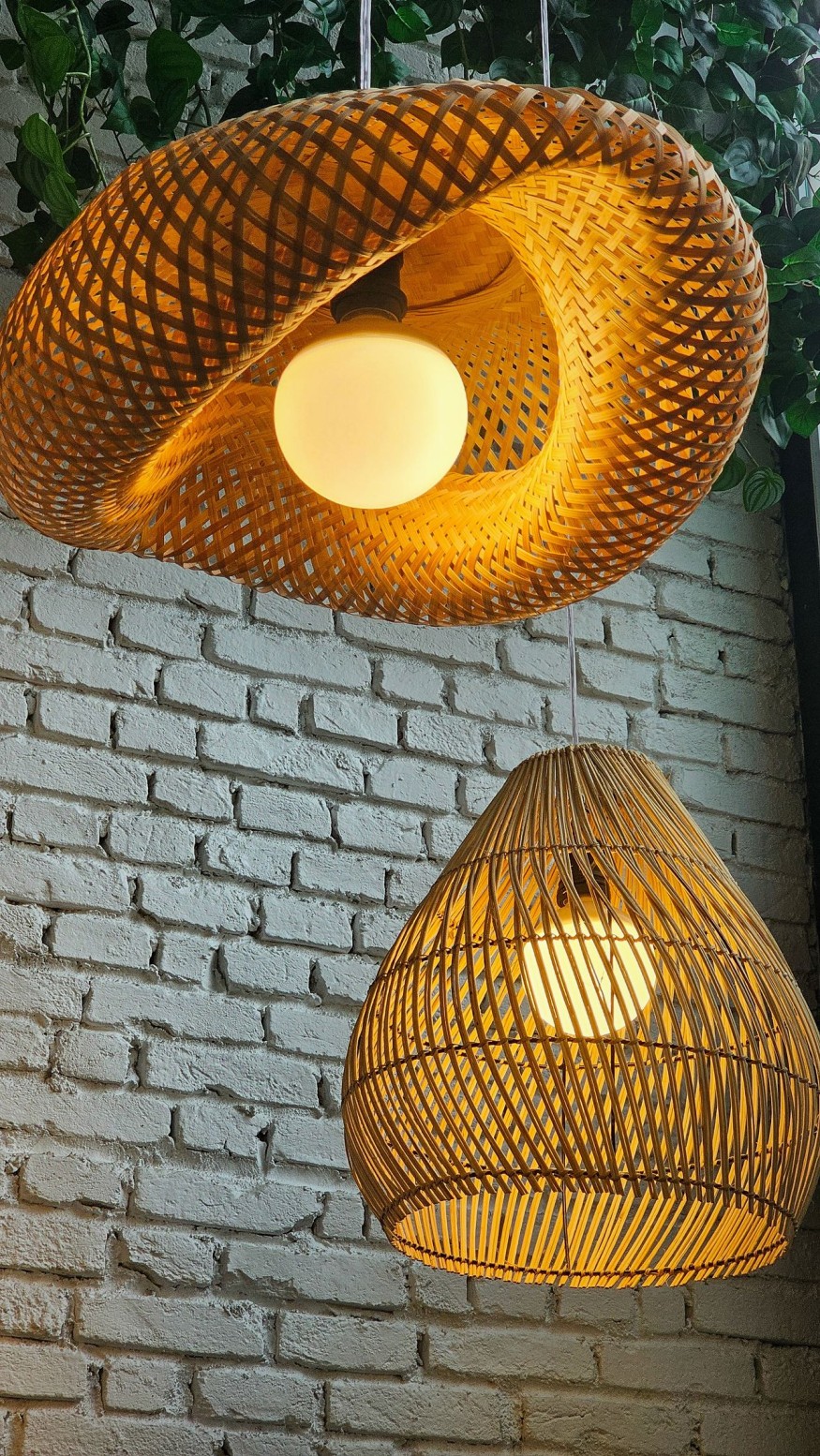
Pendant Lights
Pendants can provide both illumination and visual definition. They are particularly useful above kitchen islands, dining tables and entryways, where the fixture can help establish a focal point.
Chandeliers
Modern chandeliers are no longer limited to formal dining rooms. Smaller designs can bring personality to bedrooms, living rooms and even compact entryways.
Wall Sconces
Sconces move some of the lighting away from the ceiling altogether. They can provide softer, eye-level illumination while adding another decorative element to the room.
How Do You Choose the Right Ceiling Light Fixture?
The right fixture depends on more than appearance. Ceiling height, room dimensions, existing finishes and the purpose of the space all influence the choice.
In a room with a lower ceiling, a flush mount can provide overhead lighting without making the space feel crowded. A taller room may have enough vertical space for a semi-flush fixture, pendant or chandelier.
Scale is equally important. A fixture that is too small can disappear visually, while one that is too large can overwhelm the furniture and architectural features.
The finish should also relate to the room. Aged brass can complement traditional interiors, while black metal can work well in contemporary and transitional spaces. Glass fixtures can bridge different decorating styles because of their relatively simple appearance.
Light quality deserves equal attention. A beautiful fixture will not improve a room if it produces harsh or inadequate illumination. Warm-toned bulbs, diffused shades and dimmer controls can make decorative fixtures considerably more versatile.
Can Recessed Lights and Classic Fixtures Work Together?
There is no need to completely eliminate recessed lighting. In fact, combining different types of illumination can produce a more balanced result.
A kitchen, for example, might use recessed lights for targeted work areas while a pair of pendants provides visual interest over an island. A living room could combine a decorative ceiling fixture with floor lamps and wall sconces.
This approach creates layers rather than depending on one type of light for everything. It also allows different areas of a room to serve different purposes throughout the day.
The most successful home lighting ideas generally consider ambient, task and accent lighting together. Recessed lights can remain part of the plan, but they do not have to dominate the ceiling.
Home Lighting Ideas for a More Intentional Look
- Replace excessive rows of recessed lights with a decorative flush or semi-flush fixture where practical.
- Use pendant lights to define kitchen islands, dining areas or other functional zones.
- Add wall sconces to introduce illumination at eye level.
- Combine overhead fixtures with floor and table lamps for a softer layered effect.
- Install dimmers where compatible to adjust lighting for different activities and times of day.
A Classic Fixture Can Give the Ceiling More Character
Recessed lighting still has a place in well-designed homes, but it does not have to carry the entire lighting plan. A thoughtfully chosen flush-mount, semi-flush, pendant or other decorative fixture can provide practical illumination while giving the ceiling a stronger sense of personality.
For homeowners exploring recessed lighting alternatives, the best solution may not be eliminating recessed lights altogether. Instead, incorporating distinctive ceiling light fixtures and other classic lighting fixtures can create a more layered, comfortable and visually considered interior.
Frequently Asked Questions
1. Are recessed lights making homes look dated?
Not necessarily. Recessed lights remain practical and appropriate in many spaces. The problem can arise when they are used excessively or without other forms of lighting, leaving a room feeling visually repetitive.
2. What can be used instead of recessed lights?
Popular alternatives include flush-mount fixtures, semi-flush ceiling lights, pendants, chandeliers and wall sconces. The best option depends on ceiling height, room function and the desired design style.
3. Are flush-mount lights better than recessed lights?
Neither is universally better. Flush mounts provide a visible decorative element, while recessed fixtures offer a more discreet appearance. Combining both can provide functional and layered illumination.
4. What lighting is best for a timeless home?
Simple fixtures with versatile shapes and durable-looking materials tend to have lasting appeal. A combination of decorative ceiling fixtures, sconces and lamps can also create a balanced lighting scheme that adapts to changing interiors.


Farrow & Ball's New Heritage Wallpapers Bring Historic Patterns Into Modern Homes

Little Greene Names Marle Its 2027 Color of the Year, a Warm Brown Made for Cozy Homes

8 Stylish Halloween Staircase Decor Ideas That Make a Dramatic Statement

The Best Prime Day Furniture Deals to Look for Before Refreshing Your Home

Tyler Perry's 22.5-Acre Beverly Hills Estate Hits the Market for $57 Million


