Sad Beige Baby Trend: Why Neutral Nurseries Are Dividing Parents and Designers
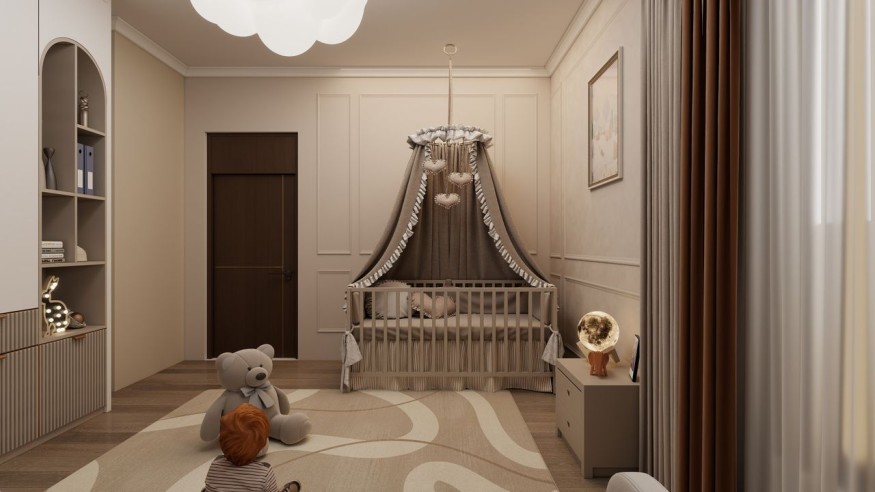
The "sad beige baby" trend has become one of social media's most recognizable interior design debates, raising questions about whether a nursery should complement a home's carefully curated aesthetic or embrace the bright colors traditionally associated with childhood. Defined by muted palettes, natural materials, minimalist toys, and understated furniture, the look favors a restrained approach to decorating children's spaces.
Although the name suggests that beige interiors are inherently dull, the trend is more complicated than its viral nickname implies. Neutral nurseries can feel warm, sophisticated, and adaptable, but a room dominated by similar shades may lack the contrast, visual variety, and personal details that make a child's environment feel engaging.
For designers, the challenge is not necessarily choosing between beige and bright primary colors. Instead, it is understanding how color, texture, lighting, furniture, and playful details can work together to create a room that feels cohesive without sacrificing personality.
What Is the Sad Beige Baby Trend?
The sad beige baby aesthetic describes nurseries, playrooms, children's clothing, and toys styled primarily in cream, ivory, beige, taupe, warm gray, and other muted shades. Natural wood, linen, cotton, wool, woven baskets, and simple silhouettes are common features.
In interiors, the approach often extends beyond the nursery walls. A wooden crib, neutral upholstered chair, soft-toned bedding, and understated artwork can create a consistent palette that blends with the rest of a home. Toys and storage accessories may follow the same color scheme, replacing the saturated reds, blues, yellows, and greens traditionally associated with children's products.
The term gained widespread attention through comedian and creator Hayley DeRoche, who began satirizing the aesthetic in social media videos in 2021. Her parodies highlighted the increasingly subdued appearance of children's products and interiors, using deliberately dramatic narration to poke fun at the trend.
Despite the criticism, the aesthetic remains appealing to households that prefer calm interiors, coordinated furnishings, and versatile design choices.
Why Neutral Nurseries Appeal to Homeowners
One reason behind the trend is its compatibility with contemporary interior styles. Neutral palettes work well with Scandinavian-inspired spaces, organic modern interiors, minimalist homes, and rooms that emphasize natural materials.
Beige also offers flexibility. Unlike a nursery built around a highly specific theme, a neutral room can accommodate different bedding, artwork, toys, and accessories as a child grows. Parents can introduce new interests without replacing major furniture pieces or repainting the entire room.
The palette can also make a small nursery feel visually cohesive. Similar tones help connect different surfaces and furnishings, while natural textures prevent the space from appearing overly uniform.
However, the success of a neutral interior depends on how its elements are combined. A room featuring only flat beige surfaces and matching accessories may feel monotonous, while a similar palette layered with tactile fabrics, varied finishes, contrasting wood tones, and thoughtful lighting can appear considerably richer.
Neutrality, therefore, is not the same as a lack of design.
What Do Interior Designers Really Think?
Designers' perspectives on the sad beige baby trend are varied, but a recurring principle is that a children's room should serve its occupants rather than function exclusively as a backdrop for adult preferences.
A restrained palette can provide a practical foundation for a nursery, particularly when parents want a room that complements the rest of the home. Yet a design becomes less successful when maintaining a particular aesthetic takes priority over comfort, accessibility, storage, and opportunities for play.
Educational designers also emphasize the importance of considering how a space supports different activities. A nursery or playroom may need quiet areas for reading and rest, accessible storage for toys, and surfaces that encourage drawing, building, or imaginative play.
The central takeaway is that neither extreme is necessary. A child's room does not have to be entirely beige to feel sophisticated, nor does it need to be filled with competing colors and patterns to encourage play.
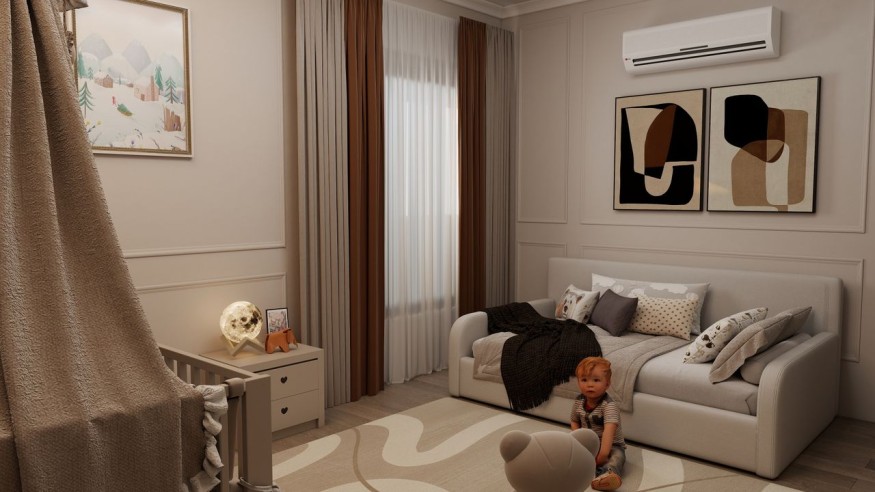
How to Make a Neutral Nursery Feel More Engaging
Homeowners who appreciate the sad beige aesthetic can retain its understated character while introducing greater depth and individuality.
Layer Different Textures and Materials
Texture can prevent a neutral room from appearing flat. Linen curtains, knitted blankets, wool rugs, woven baskets, timber furniture, and upholstered seating introduce visual variety without requiring a dramatic change in color.
Combining matte and slightly reflective finishes can also help distinguish individual elements. The goal is to create contrast through materials, rather than relying exclusively on different hues.
Introduce Color Through Small Details
Color does not have to dominate a room to make an impact. Muted sage green, dusty blue, terracotta, soft yellow, or pale pink can complement a cream or beige foundation.
Artwork, cushions, bedding, books, and toys offer relatively simple ways to introduce these accents. Because the additions are easy to change, the room can adapt as a child's interests develop.
Create Space for Play and Personal Expression
A well-designed nursery should leave room for the child's belongings and interests. Picture books, colorful toys, family photographs, handmade decorations, and children's artwork can bring individuality to an otherwise restrained interior.
Storage also matters. Open shelves and accessible baskets can help children locate and return toys as they become more independent. Closed storage can keep less frequently used items organized without making the room feel crowded.
Why the Best Children's Rooms Go Beyond a Color Palette
The sad beige baby trend reflects a broader conversation about the relationship between personal style and functional interior design. Social media has made highly coordinated homes more visible, encouraging homeowners to treat every room as part of a unified visual identity.
Yet a children's space has different demands from a formal living room or adult bedroom. It must accommodate changing routines, toys, movement, rest, and creative activities, often within a limited footprint.
A thoughtful design can balance those requirements with a homeowner's preferred aesthetic. Neutral colors may establish continuity, while contrasting textures, accessible storage, playful objects, and personal details make the space feel lived-in.
Ultimately, beige is neither the problem nor the solution. The quality of a nursery depends on how well its design supports everyday life, not whether its palette follows a viral trend. A room can be calm without being monotonous, colorful without feeling chaotic, and stylish without losing sight of the child who uses it.
Frequently Asked Questions
1. What does "sad beige baby" mean?
The term describes a social media trend featuring babies' rooms, clothing, and toys in muted shades such as beige, cream, taupe, and gray, often paired with minimalist decor and natural materials.
2. Why do parents choose neutral nursery designs?
Neutral palettes can complement existing interiors, create a cohesive appearance, and provide flexibility as furniture, accessories, and a child's interests change.
3. Do nurseries need bright colors to look engaging?
No. Neutral rooms can feel engaging through texture, contrasting materials, artwork, books, toys, and personalized details. A combination of muted shades and carefully chosen accent colors can also provide visual variety.
4. How can homeowners update a sad beige nursery without redesigning it?
Start with small changes, such as adding colorful bedding, illustrated books, playful artwork, textured rugs, or storage that keeps favorite toys accessible. These additions can introduce personality without replacing the room's main furniture or repainting its walls.


Bold Patterns, Warm Colors, and Festive Entrances Are Shaping This Season's Home Trends

Malibu's Celebrity Real Estate Market Faces New Challenges From Coastal Erosion

A Room-by-Room Guide to Better Home Lighting With the Right Lamps

Year-Round Garden Design: How to Create a Landscape With Lasting Interest

Built-In Wall Niche Ideas That Make Awkward Recesses Look Intentional


