Florals, Gingham, and Chintz Are Among the Biggest Pattern Trends for 2027
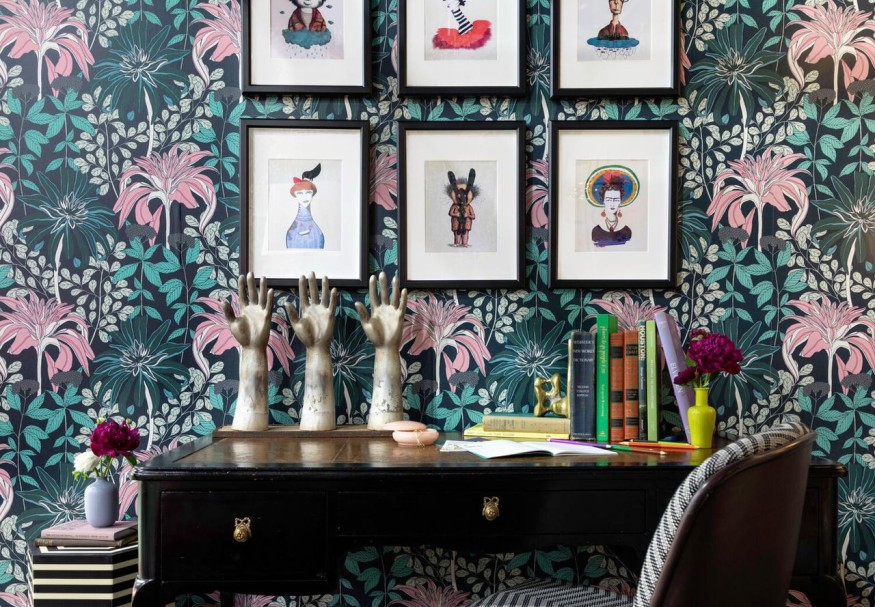
Interior design in 2027 is expected to embrace a more expressive approach to decorating, with patterns bringing personality, color, and visual interest into residential spaces. After several years of popularity for restrained palettes and understated finishes, designers are anticipating renewed enthusiasm for decorative surfaces that make interiors feel more individual.
From traditional florals to playful gingham and elaborate wall murals, the upcoming pattern trends suggest that homeowners will have more opportunities to experiment with different motifs and combinations.
Rather than treating patterned fabrics and wallpapers as occasional decorative accents, designers are increasingly considering them important elements of a room's overall character. The approach is less about following a perfectly coordinated aesthetic and more about creating interiors that feel collected, comfortable, and personal.
According to Homes & Gardens, designers are anticipating five notable pattern directions for 2027: gingham, small-scale motifs, traditional florals, whimsical murals, and chintz. Together, these styles reflect a growing appreciation for heritage-inspired decoration with a contemporary perspective.
1. Traditional Florals Bring a Softer Touch to Interiors
Floral patterns are expected to remain an important part of interior design in 2027, particularly those inspired by traditional botanical illustrations and heritage textiles.
Rather than relying exclusively on oversized tropical prints or contemporary abstract flowers, the upcoming direction favors more familiar motifs. Roses, hollyhocks, delicate branches, and other garden-inspired designs can introduce a sense of nostalgia without making a room feel outdated.
Floral patterns can be incorporated through wallpaper, upholstered furniture, curtains, bedding, and decorative cushions. For a more restrained approach, a floral accent chair or upholstered headboard can provide visual interest without overwhelming the surrounding decor.
The key is to consider scale. Smaller floral prints can create a subtle decorative effect, while larger botanical designs can become a defining feature of a room.
Pairing florals with natural wood, linen, and understated solid fabrics can also prevent the overall look from becoming overly decorative.
2. Gingham Moves Beyond Traditional Country Interiors
Gingham is gaining a more versatile identity as designers explore ways to incorporate the familiar checkered pattern into contemporary homes.
Traditionally associated with country kitchens, picnic textiles, and cottage-inspired interiors, gingham is expected to move beyond its conventional red-and-white and blue-and-white combinations.
For 2027, unexpected color pairings and playful combinations with floral prints are expected to make the pattern feel more current. Softer greens, warm browns, muted pinks, and richer tones can give the familiar design a different personality.
Gingham works particularly well on curtains, upholstered seating, table linens, and bedroom textiles. It can also be introduced through wallpaper in smaller spaces, such as powder rooms and entryways.
Mixing gingham with complementary patterns is another way to make the look feel more contemporary. Combining checks with stripes or small florals creates a layered appearance while maintaining a sense of visual balance.
3. Small-Scale Motifs Create Subtle Visual Interest
Not every pattern trend needs to make an immediate statement. Small-scale motifs are expected to become an important design direction for homeowners who prefer understated decoration.
These patterns include tiny florals, delicate geometric shapes, miniature checks, and intricate repeating designs. Their appeal comes from the detail they introduce without competing with larger furniture pieces or architectural features.
Small-scale patterns are particularly useful in rooms where homeowners want to introduce visual texture without relying on strong colors or oversized graphics.
They can work beautifully on upholstered dining chairs, window treatments, wallpaper, and bedding. Layering them with larger patterns can also create depth.
4. Whimsical Murals Turn Walls Into Artistic Features
Wall murals offer another opportunity for homeowners to make their interiors more distinctive in 2027.
Unlike conventional repeating wallpaper patterns, murals can transform an entire wall into an artistic composition. Nature-inspired landscapes, imaginative botanical scenes, decorative illustrations, and painterly designs are among the possibilities.
The growing interest in murals reflects a broader appreciation for interiors that incorporate artistic expression. Instead of relying entirely on framed artwork, homeowners can use walls themselves as decorative canvases.
A landscape mural can introduce a sense of depth to a dining room, while an illustrated botanical design can make a bedroom feel more inviting. Smaller-scale murals can also bring character to hallways, reading corners, and powder rooms.
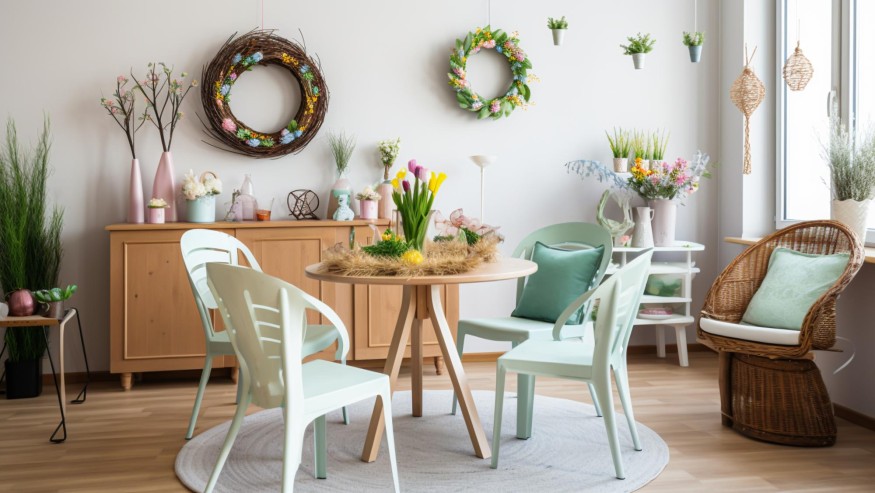
5. Chintz Returns With a More Contemporary Perspective
Chintz is another traditional decorative style expected to regain attention in 2027. Recognized for its colorful floral designs and association with classic interiors, the pattern is finding new relevance through more selective applications.
Rather than covering every surface in matching floral fabric, designers are expected to use chintz more strategically.
An upholstered armchair, decorative cushions, or a statement sofa can introduce the pattern without making the entire room feel overly formal. Combining chintz with plain fabrics, contemporary furniture, or graphic patterns can also create a more balanced appearance.
Color selection plays an important role. Homeowners can choose patterns that complement existing finishes rather than attempting to match every decorative element.
How to Mix Patterns Without Overwhelming a Room
The return of decorative patterns does not mean every surface needs to compete for attention. Successful pattern mixing depends on understanding proportion, color, and visual balance.
A useful starting point is selecting a dominant pattern that establishes the room's overall direction. Smaller complementary motifs can then be introduced through furniture, textiles, and accessories.
Repeating one or two colors across different patterns helps create a cohesive appearance. For instance, floral wallpaper, striped curtains, and checked cushions can work together when they share complementary tones.
Texture also matters. Combining patterned fabrics with natural wood, woven materials, stone, and plain upholstery prevents an interior from feeling visually crowded.
Homeowners should also consider the scale of the room. Large-scale murals and oversized prints can work beautifully in spacious interiors, while smaller patterns may be more appropriate for compact spaces.
Patterns Bring New Personality to the Home
The expected return of expressive patterns signals a shift toward interiors with more visual depth and individuality. Whether through traditional floral wallpaper, playful checks, or artistic murals, decorative motifs can make residential spaces feel more welcoming and distinctive.
For 2027, the goal is not simply to incorporate more patterns, but to use them thoughtfully to create interiors that feel layered, timeless, and personal.
Frequently Asked Questions
1. What are the biggest pattern trends for 2027?
Some of the anticipated pattern trends include traditional florals, gingham, small-scale motifs, whimsical wall murals, and chintz. These styles combine heritage-inspired decoration with more contemporary applications.
2. Are floral patterns still fashionable in 2027?
Yes. Traditional floral patterns are expected to remain popular, particularly botanical designs featuring roses, garden flowers, and delicate natural motifs.
3. How can different patterns be mixed in one room?
Homeowners can combine different patterns by maintaining a consistent color palette, varying the scale of the motifs, and balancing decorative fabrics with solid colors and natural textures.


Oheka Castle, Featured in Taylor Swift's 'Blank Space' Video, Sells for $72 Million

El Niño Gardening Guide: Ways to Protect Your Lawn and Plants From Heat and Drought

Florals, Gingham, and Chintz Are Among the Biggest Pattern Trends for 2027

IKEA's New Art Collection Turns Everyday Home Decor Into Affordable Designer Art

Sherwin-Williams's 2027 Color Forecast Unveils 48 Rich Colors to Refresh Your Home in 2027


