The Discreet Electrical Feature Designers Are Adding to Modern Kitchen Islands
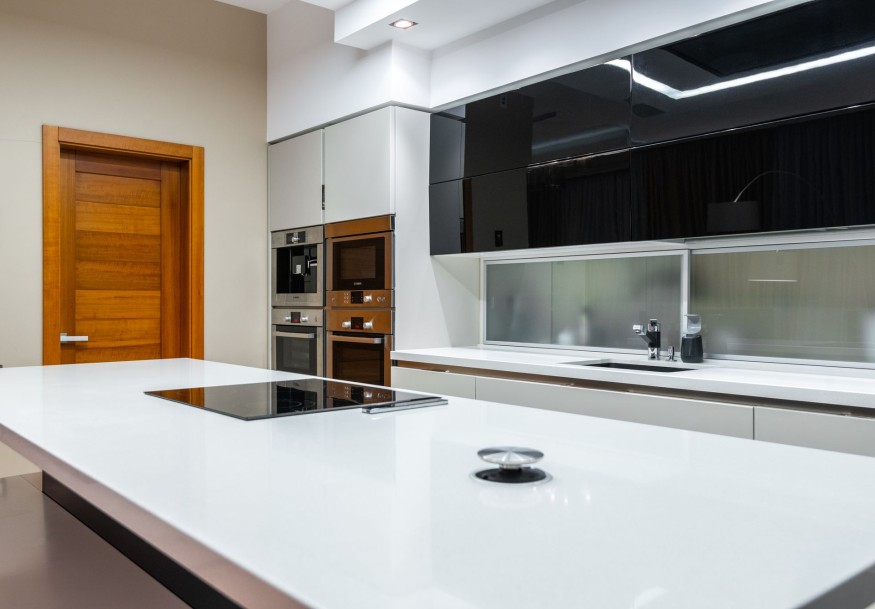
Kitchen design increasingly focuses on making everyday tasks easier without compromising the appearance of the space. From concealed storage to integrated appliances, homeowners are embracing features that reduce visual clutter while improving functionality.
One increasingly useful detail is the pop-up electrical outlet. Installed directly into a countertop or kitchen island, these retractable outlets provide convenient access to power when needed and disappear into the surface when not in use.
For homeowners who want to keep their kitchens looking streamlined, pop-up outlets offer an alternative to conventional wall-mounted receptacles. They can be particularly useful in kitchens with large islands, limited backsplash space, or layouts where traditional electrical outlets are difficult to access.
What Are Pop-Up Kitchen Outlets?
Pop-up outlets are retractable electrical receptacles designed to sit within a countertop, island, or other suitable work surface. Depending on the model, they can be raised manually or through a push-button mechanism.
When extended, the unit provides access to electrical sockets, allowing homeowners to plug in small appliances, charge devices, or use kitchen equipment. When finished, the outlet can be lowered or closed to create a more discreet appearance.
Some models also incorporate USB charging ports, making them useful for households that regularly charge smartphones, tablets, and other electronic devices.
Their concealed design makes them particularly appealing in contemporary kitchens, where uninterrupted countertop surfaces are often a priority.
Why Pop-Up Outlets Work Particularly Well on Kitchen Islands
Kitchen islands frequently serve several purposes beyond food preparation. They can function as breakfast counters, homework stations, entertaining areas, and additional workspaces.
However, these activities often require access to electricity.
A pop-up outlet can make an island more versatile by providing power exactly where it is needed. Homeowners can use it for countertop appliances, laptop chargers, or temporary food preparation equipment without relying entirely on wall outlets.
It can also reduce the need for visible extension cords running across the kitchen.
For islands that include seating, strategically positioned outlets can make the surface more convenient for people working remotely or using electronic devices.
5 Benefits of Installing Pop-Up Outlets
Pop-up outlets offer several practical advantages when incorporated into a well-planned kitchen.
- A cleaner countertop appearance: Retractable outlets help minimize visible electrical fixtures when they are not being used.
- Convenient appliance access: They provide power close to food preparation and serving areas.
- More versatile kitchen islands: An island can become a functional workspace for cooking, charging devices, and other household activities.
- Additional charging options: Selected models include USB ports that accommodate compatible electronic devices.
- Flexible placement: Depending on the product and countertop construction, outlets can be positioned in locations that suit the kitchen's layout.
Where Should Pop-Up Outlets Be Installed?
Placement is one of the most important considerations when planning this upgrade.
Kitchen islands are among the most practical locations because they often lack direct access to wall outlets. Installing a retractable unit in an appropriate section of the countertop can make the entire workspace more functional.
However, the outlet should not interfere with food preparation, seating arrangements, or frequently used appliances.
Homeowners should also consider the countertop material and the space available underneath the surface. Pop-up units require sufficient clearance for their housing and electrical connections, which means cabinets, drawers, structural supports, and plumbing must be considered before installation.
A professional installer can help determine the most appropriate position.
Are Pop-Up Outlets Safe for Kitchens?
Although pop-up outlets offer convenience, their installation requires careful attention to electrical safety.
Kitchens are environments where water, heat, food preparation, and electrical equipment frequently come into contact. Choosing a product specifically listed and approved for countertop installation is therefore essential.
UL guidance explains that countertop pop-up receptacle assemblies undergo testing that includes mechanical endurance and spill testing. Certain hard-wired models also undergo ground-fault circuit interrupter testing.
GFCI protection is particularly important in areas where electrical equipment may be exposed to moisture. Homeowners should consult a licensed electrician to determine the applicable requirements for their location.
Installation instructions also vary by manufacturer. Some products require dedicated wiring, specific countertop openings, or particular clearances.
A pop-up outlet should never be installed as an improvised DIY electrical project simply because the mechanism appears straightforward.
What to Consider Before Buying One
Not all retractable outlets offer the same features. Homeowners should compare the product's dimensions, electrical specifications, materials, and installation requirements before making a purchase.
The countertop itself also matters. Stone, quartz, wood, and other surfaces may require different cutting methods and installation considerations.
It is equally important to evaluate how frequently the outlet will be used. A kitchen island that regularly accommodates small appliances may benefit from multiple power options, while a smaller countertop might only need one discreet charging station.
The design should complement the kitchen rather than create an unnecessary obstruction.
A Small Upgrade That Makes a Kitchen More Functional
Pop-up outlets demonstrate how relatively small design decisions can improve the usability of a kitchen. By providing convenient access to electricity without permanently occupying valuable countertop space, they offer a practical solution for modern households.
When properly selected and professionally installed, these retractable receptacles can help kitchen islands and work surfaces accommodate a wider range of everyday activities.
For homeowners planning a kitchen renovation, they are worth considering alongside other integrated features that make the space more adaptable.
Frequently Asked Questions
1. What is a pop-up outlet in a kitchen?
A pop-up outlet is a retractable electrical receptacle installed into a countertop or island. It can be raised when needed and concealed when not in use.
2. Can pop-up outlets be installed in kitchen islands?
Yes. Kitchen islands are common locations for these outlets, provided the countertop, cabinetry, wiring, and product specifications accommodate the installation.
3. Are pop-up kitchen outlets waterproof?
Not all models are waterproof. Their resistance to spills and moisture varies by product, so homeowners should check the manufacturer's specifications and installation requirements.
4. Do pop-up outlets require professional installation?
Hard-wired models generally require professional electrical installation. A licensed electrician can assess wiring, GFCI protection, product suitability, and local electrical requirements.


From Maximalism to Renovation Advice: 11 Interior Design Books Worth Reading in 2026

Costco's 10 Best Holiday Décor Finds for a Designer-Looking Christmas

IKEA's New Art Collection Turns Everyday Home Decor Into Affordable Designer Art

Angelina Jolie's Former Cecil B. DeMille Estate Sells for $24.75 Million

Modern Kids' Rooms Are Changing: The Kids' Bedroom Ideas Designers Want Now


