Build Your Own Eames House: New Prefab Kit Lets You Own a Design Classic
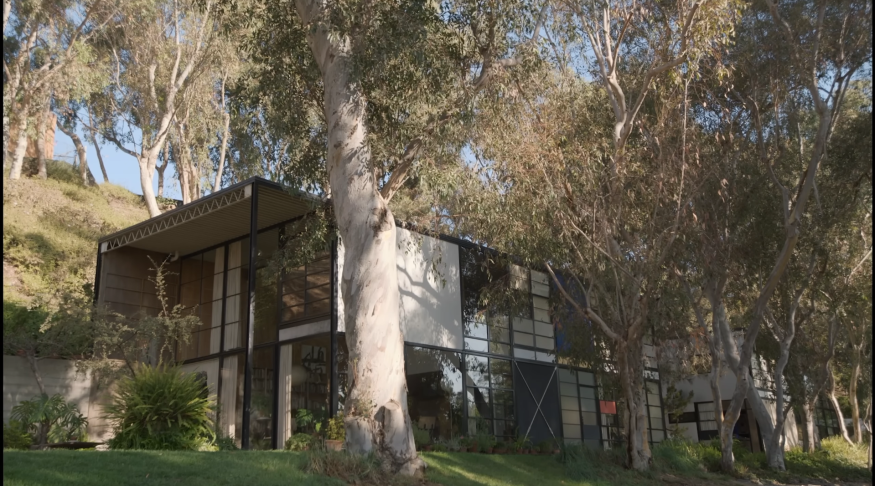
The Eames house kit brings one of modern architecture's most influential ideas into a buildable reality. Inspired by the legacy of Charles and Ray Eames, the Eames house design translates the original Case Study House principles into a modular system that blends aesthetics with functionality. Through the new Eames Pavilion System, individuals can now build their own Eames house using prefabricated components that reflect the original vision while adapting to modern needs.
Rooted in the idea of scalable architecture, this approach connects deeply with prefab modern homes and the evolution of modular construction. What once existed as a singular architectural experiment has become a flexible system available for residential, commercial, and creative spaces. The result is a design philosophy that bridges history, engineering, and accessibility in a practical, globally adaptable format.
What Is the Eames house kit and Pavilion System?
The Eames house kit is a modular building system developed by the Eames Office in collaboration with Kettal, built around the concept of the . It takes inspiration from the iconic and other experimental designs to create a flexible framework for modern construction.
At its core, the system uses a structured grid based on modular 2-meter units, allowing users to build spaces of varying sizes. These components form the foundation of a scalable architectural approach that reflects classic Eames house design principles while meeting contemporary standards.
Key features of the Eames house kit:
- Aluminum I and H beams replace heavier materials, improving durability and transportability
- Interchangeable panels include glass, polycarbonate, and wood for design flexibility
- Triple-glazed panels improve insulation and energy efficiency
- Modular grid allows expansion into multi-bay structures
- Designed for global compliance across different climates and building codes
Prefab modern homes built with this system require professional installation to ensure structural integrity. Whether used for small studios or larger installations, the Eames house kit emphasizes precision, adaptability, and long-term usability.
How does Eames house design translate to modern prefab construction?
The Eames house design follows a modular philosophy that makes it ideal for prefab modern homes. Its grid-based structure allows for flexible layouts that can scale up or down depending on the user's needs.
Using the principles of the Eames Pavilion System, builders can customize spaces while maintaining the visual identity associated with the original design. This includes the use of black structural beams, color-blocked panels, and open interior layouts that emphasize light and space.
Core design elements in modern prefab construction:
- Modular grid system (2m x 2m) for flexible spatial planning
- Interlocking aluminum beams with precise engineering tolerances
- Customizable panels for windows, walls, and exterior finishes
- Structural cross-bracing for stability in various environments
- Adaptable roof designs influenced by original Eames experiments
Modern updates to the system include improved insulation, weather-resistant materials, and compliance with international building codes. These upgrades allow the Eames house kit to function in regions with seismic activity, heavy snowfall, or high humidity, making it a versatile solution for global portable modern homes.
Why did Charles and Ray Eames design prefab modern homes systems?
The idea behind prefab modern homes originated from a pressing need to address housing shortages while maintaining quality and accessibility. Charles Eames envisioned a system that could be mass-produced and assembled efficiently, reducing construction costs and time.
The original Case Study House program served as a testing ground for these ideas. Through experimental designs, including the famous Eames House and other concepts, the goal was to demonstrate that good design could be both affordable and scalable.
Key motivations behind Eames prefab concepts:
- Addressing housing shortages through industrial production methods
- Creating scalable designs using standardized components
- Making modern architecture accessible to a wider audience
- Exploring the balance between form, function, and efficiency
Unbuilt concepts like the Shelter House and other prototypes highlight how the Eameses consistently worked toward a universal system of design. The Eames house kit and Eames Pavilion System carry forward this vision, turning what was once experimental into a functional and accessible reality.
Own Eames house design through modern prefab architecture
The Eames house kit makes modern architecture more accessible by combining modular engineering with timeless Eames house design principles. This system allows users to build their own Eames house in a way that fits both personal and professional needs, while staying true to the original vision of flexible, functional design.
From compact meeting rooms to large multi-bay layouts, prefab modern homes offer a wide range of possibilities. Rather than simply replicating an iconic structure, the system extends a design philosophy centered on adaptability, simplicity, and efficiency. The result is an approach to architecture that reflects the Eames legacy while meeting modern expectations for sustainability, scalability, and global usability.
Eames house kit and the future of prefab modern homes
The Eames house kit reimagines one of the most important architectural ideas of the 20th century. By transforming the Eames house design into a modular, buildable system, the Eames Pavilion System opens new possibilities for prefab modern homes across the world.
This approach preserves the spirit of innovation while adapting to modern construction standards. It offers a practical way to bring iconic design into everyday use, whether for homes, offices, or creative spaces.
Frequently Asked Questions
1. What is included in an Eames house kit?
An Eames house kit includes modular beams, panels, and structural components that form the basis of the Eames Pavilion System. These parts are designed to be assembled into customizable structures. The kit supports different layouts depending on user needs. Professional installation is required to ensure proper construction and safety.
2. Can you really build your own Eames house with this system?
Yes, the system is designed to allow users to build their own Eames house using prefabricated components. However, it is not a DIY project in the traditional sense. Certified professionals handle engineering, permits, and installation. This ensures that the final structure meets local building codes.
3. How does the Eames house design influence modern architecture?
The Eames house design introduced modularity, open spaces, and industrial materials into residential architecture. These ideas influenced the development of prefab modern homes worldwide. The Pavilion System continues this legacy by applying the same principles in a modern context. It blends aesthetics with functionality in a scalable format.
4. Is the Eames house kit available worldwide?
The system is designed for global availability through Kettal's manufacturing and distribution network. It can be adapted to different climates and regional building regulations. The modular design makes it suitable for various environments. Availability may depend on local regulations and production timelines.


The Architectural Details Every Homebuyer Should Understand Before Buying

How to Declutter Every Room in Your Home, From the Entryway to the Garage

How Architects Hide Gutters Without Sacrificing Roof Drainage

Halloween Mantel Decorating Ideas That Feel Stylish, Not Spooky-Store Basic

Nick and Vanessa Lachey's Tarzana Estate Is Back on the Market for $8.2 Million


