The Sustainable Interior Design Revolution: Bold Green Building Materials for Real Homes
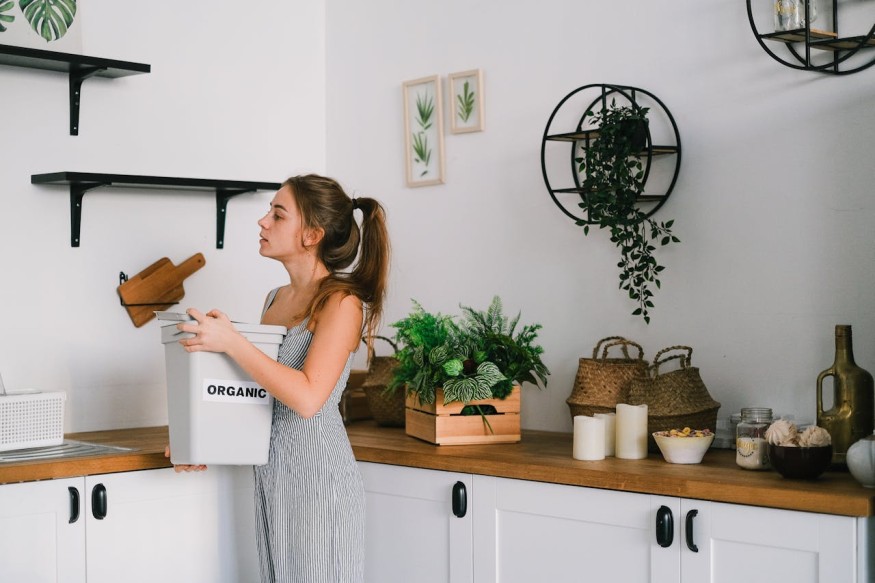
Modern homes are increasingly shaped by environmental awareness and material responsibility. In this shift, sustainable interior design has become a guiding principle for architects, designers, and homeowners who want spaces that balance aesthetics with environmental care. Rather than focusing only on visual appeal, interior planning now considers sourcing, durability, and lifecycle impact of materials.
This movement has also expanded the role of eco-friendly home decor, encouraging choices that reduce waste, improve indoor air quality, and support long-term livability. As housing demand grows, so does the importance of integrating green building materials into everyday design decisions.
Understanding Eco-Friendly Interior Design
Eco-friendly interiors refer to design practices that minimize environmental harm while enhancing functionality and comfort. This approach considers how materials are sourced, processed, used, and eventually disposed of or reused.
Key principles include:
- Responsible sourcing of raw materials
- Reduced reliance on synthetic compounds
- Energy-conscious design decisions
- Reusability and recyclability of interior elements
At its core, sustainable interior design aims to create interiors that support both human well-being and environmental balance without compromising style or usability.
Why Sustainable Materials Matter in Interior Spaces
The choice of materials directly influences environmental impact, health conditions inside the home, and long-term maintenance needs. Traditional materials often involve heavy processing or chemical treatments that affect air quality and increase waste.
Sustainable alternatives provide practical advantages:
- Improved indoor air quality through reduced toxins
- Lower environmental strain during production
- Increased durability and longevity
- Better compatibility with circular design systems
For many homeowners, eco-friendly home decor also becomes a lifestyle extension, reflecting conscious living through furniture, finishes, and decorative choices.
Best Sustainable Materials Transforming Modern Interiors
The evolution of green building materials has introduced a wide range of natural, recycled, and rapidly renewable options that are reshaping interior environments.
Reclaimed wood
Reclaimed wood is sourced from old structures and repurposed into flooring, wall panels, or furniture. It reduces the demand for newly harvested timber and adds a distinct aged texture that enhances character in interiors.
Common uses include:
- Accent walls
- Dining tables and shelving
- Flooring with natural patina
Bamboo
Bamboo is widely used due to its rapid regrowth cycle and strength. It works well in both structural and decorative applications, making it a versatile choice in sustainable interior design.
It is often used for:
- Flooring systems
- Cabinetry and furniture frames
- Decorative wall finishes
Cork
Cork is harvested from tree bark without damaging the tree itself. Its natural elasticity and acoustic properties make it highly functional in interior environments.
Benefits include:
- Natural insulation for floors and walls
- Sound absorption in living spaces
- Comfortable underfoot texture
Recycled glass and metal
Recycled materials bring industrial waste back into usable form. Glass can be transformed into countertops and tiles, while metals are reshaped into lighting fixtures and furniture structures.
Applications include:
- Kitchen surfaces and backsplashes
- Decorative lighting designs
- Structural accents in modern interiors
Natural stone alternatives and responsibly sourced stone
While natural stone remains popular, sustainable sourcing and local extraction help reduce transportation impact. Designers often prioritize regional materials to maintain environmental efficiency.
Role of Green Building Materials in Interior Planning
Green building materials extend beyond decorative elements and influence the structural integrity of interiors. These materials often improve energy efficiency and reduce long-term maintenance requirements.
Examples include:
- Hemp-based composites used for insulation
- Recycled steel for structural support
- Cellulose insulation derived from paper waste
- Energy-efficient glass that improves thermal performance
These materials contribute to homes that are not only visually appealing but also environmentally responsible in construction and operation.
Eco-Friendly Home Decor Trends in Modern Spaces
The rise of eco-friendly home decor has influenced how interiors are styled and personalized. Designers are increasingly focusing on simplicity, natural textures, and sustainable sourcing.
Popular trends include:
- Minimalist layouts that reduce material consumption
- Biophilic design that incorporates natural elements
- Upcycled furniture pieces with restored finishes
- Organic textiles such as cotton, linen, and hemp
Indoor plants also play a functional role by improving air quality and bringing natural balance into living environments.
How to Select Sustainable Materials for Interiors
Choosing materials requires careful consideration of both environmental and practical factors. A thoughtful approach ensures long-term satisfaction and reduced environmental strain.
Important factors include:
- Source transparency and certification labels
- Material durability and maintenance needs
- Recyclability or biodegradability potential
- Compatibility with existing interior design themes
Homes designed with sustainable interior design principles often prioritize long-lasting materials over short-term trends.
Cost Considerations in Sustainable Interior Design
Sustainable materials may involve higher initial investment in some cases, but they often balance costs through durability and reduced maintenance. Over time, this approach can support financial efficiency alongside environmental responsibility.
Key considerations include:
- Long-term replacement cycles
- Energy savings from efficient materials
- Reduced repair and maintenance frequency
Challenges in Adopting Eco-Friendly Interiors
Despite growing awareness, certain barriers still affect adoption rates. Availability, sourcing complexity, and limited regional access can influence material selection.
Common challenges include:
- Limited access to certified sustainable products in some areas
- Higher upfront costs for premium materials
- Lack of awareness among consumers about material impact
Even with these limitations, demand for eco-friendly home decor continues to grow steadily.
Future Direction of Sustainable Interior Design
The future of interiors is increasingly tied to innovation in material science and circular design systems. New developments are focusing on biodegradable composites, carbon-neutral production methods, and smart materials that respond to environmental conditions.
As green building materials evolve, interior spaces are expected to become more adaptive, efficient, and environmentally aligned without compromising design quality.
Sustainable Interior Design Shaping Future Homes
Homes designed with environmental responsibility reflect a shift in how spaces are built and experienced. Sustainable interior design is no longer limited to niche projects but is becoming a standard approach in residential planning. With continued innovation in materials and growing awareness of environmental impact, interiors are increasingly shaped by thoughtful sourcing, long-term usability, and responsible design choices.
Frequently Asked Questions
1. What makes interior design sustainable?
Sustainable interior design focuses on reducing environmental impact through responsible material selection, energy efficiency, and waste reduction. It prioritizes durable and recyclable components over disposable or high-impact materials.
2. Which materials are commonly used in eco-friendly home decor?
Common materials include reclaimed wood, bamboo, cork, recycled glass, and natural textiles. These materials support both functionality and environmental responsibility in interior spaces.
3. How does sustainable interior design improve home living?
It improves indoor air quality, reduces exposure to harmful chemicals, and creates healthier living environments. It also supports long-term durability and lower maintenance requirements.
4. Is eco-friendly interior design suitable for all budgets?
Yes, sustainable design can be adapted to different budgets. While some materials have higher upfront costs, alternatives such as reclaimed or locally sourced options can provide cost-effective solutions.


Angelina Jolie's Former Cecil B. DeMille Estate Sells for $24.75 Million

How Decorative Window Film Can Transform Awkward Windows Into a Stylish Design

The Designer-Friendly Way to Make Halloween Decor Fit Your Home

Nick and Vanessa Lachey's Tarzana Estate Is Back on the Market for $8.2 Million

Designers Say Stained Glass Can Make a New Build Feel Instantly More Timeless


