How to Choose Artwork That Complements Your Interior Design Style
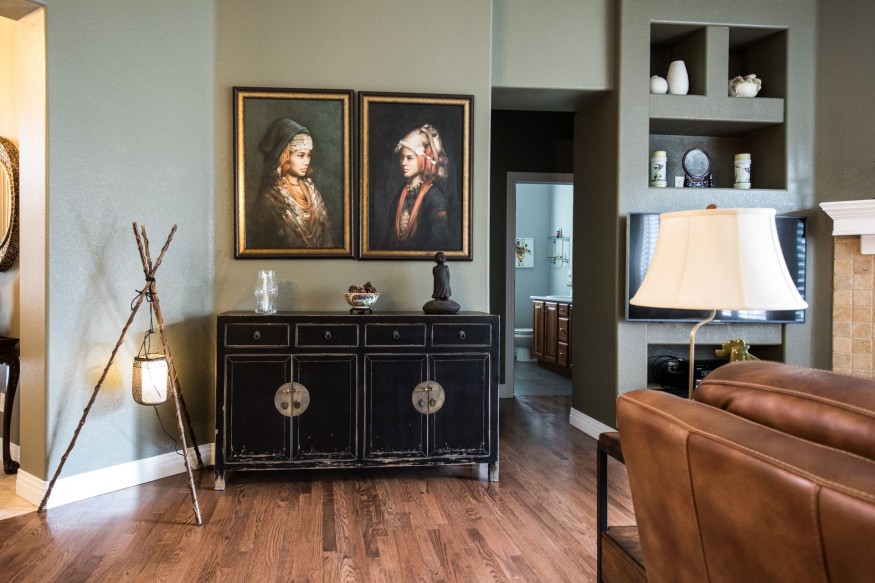
Artwork is one of the most personal elements of interior design. While furniture, flooring, and architectural finishes establish the foundation of a room, paintings, photography, prints, and sculptural wall pieces introduce personality and visual interest. The right artwork can make a space feel more considered, connect contrasting design elements, and create a focal point that gives a room its identity.
However, selecting artwork involves more than finding a piece that looks attractive. Its size, color palette, subject matter, frame, and placement all influence how it interacts with the surrounding interiors. A beautiful painting can feel disconnected when it is too small for a wall or clashes with the room's visual direction.
Start With the Overall Interior Design Style
Before purchasing artwork, it helps to identify the existing design language of the room. Contemporary interiors, traditional homes, minimalist spaces, and eclectic environments each provide different opportunities for displaying art.
In minimalist interiors, artwork often becomes a defining decorative feature. A large abstract painting, monochromatic photograph, or understated line drawing can introduce character without disrupting the room's simplicity. Pieces with generous negative space and restrained compositions are particularly suitable for interiors where visual clutter is kept to a minimum.
Traditional interiors may benefit from landscapes, portraits, botanical illustrations, still-life paintings, and framed prints. Ornate frames, antique finishes, and classical subject matter can complement architectural details such as decorative molding, paneled walls, and hardwood flooring.
Contemporary homes offer more flexibility. Sculptural pieces, experimental photography, geometric compositions, and oversized abstract works can create contrast against streamlined furniture and simple architectural finishes.
For eclectic interiors, artwork can bring together different periods, colors, and influences. A carefully arranged collection of vintage prints, contemporary paintings, and personal photographs can make a room feel collected rather than overly coordinated.
Consider the Existing Color Palette
Color is one of the easiest ways to establish a relationship between artwork and interior design.
A painting does not need to reproduce the exact shade of a sofa, rug, or wall covering. Instead, it can introduce complementary tones or repeat smaller accents already present in the room.
For example, a neutral living room featuring beige upholstery, natural oak furniture, and cream walls could benefit from artwork containing muted terracotta, olive green, or warm brown. These colors add depth without overwhelming the understated palette.
In rooms with stronger colors, artwork can either reinforce the existing scheme or provide visual contrast. A deep blue dining room might accommodate artwork featuring warm ochre or rust tones, while a room with green cabinetry could benefit from botanical prints or abstract compositions with softer natural colors.
Black-and-white photography is another versatile option. It can introduce contrast into colorful interiors and reinforce the clean appearance of contemporary spaces.
Choose the Right Artwork Size and Scale
Scale is particularly important because artwork needs to relate to the dimensions of the wall and the furniture surrounding it.
A small painting placed above a large sectional sofa can appear visually disconnected. Conversely, an oversized canvas may overwhelm a narrow wall or compete with nearby architectural features.
A useful starting point is to select artwork or a gallery arrangement that occupies approximately two-thirds to three-quarters of the width of the furniture beneath it. This is a flexible design guideline rather than a strict requirement.
For instance, artwork above a wide sofa should have enough visual presence to balance the furniture. A single large painting can achieve this, although several smaller pieces arranged together may create a similar effect.
In rooms with expansive walls, oversized artwork can establish a strong focal point. Large-scale photography, abstract paintings, and textured wall installations are particularly effective when the surrounding furniture and accessories remain relatively restrained.
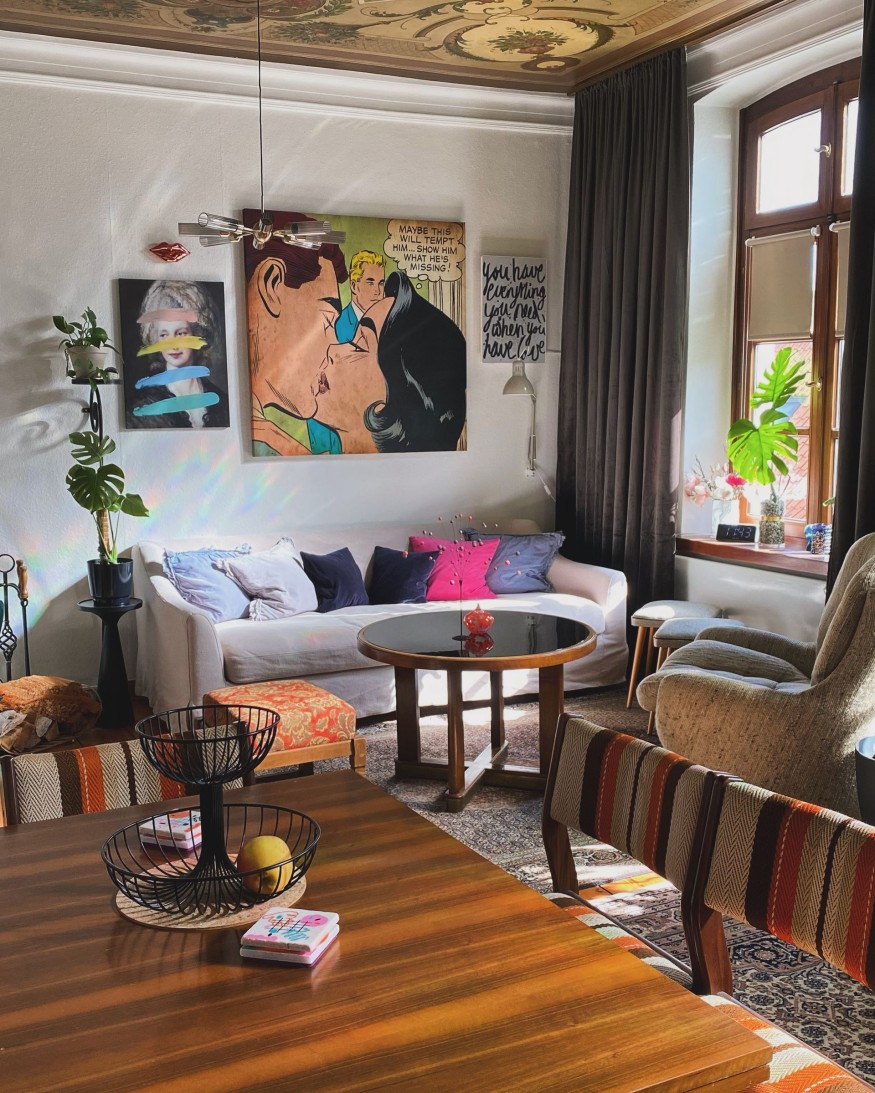
Match the Subject Matter to the Room's Atmosphere
The subject of an artwork influences the emotional character of a space.
Bedrooms often benefit from calming imagery, including landscapes, abstract compositions, botanical artwork, and muted photography. These subjects can contribute to a restful atmosphere without introducing excessive visual stimulation.
Living rooms provide more freedom for expressive artwork. Large abstract paintings, portraits, architectural photography, and colorful prints can become conversation pieces and establish the personality of the space.
Dining rooms can accommodate bolder compositions, including still-life paintings, expressive illustrations, and graphic artwork. These pieces can create visual interest around dining furniture and decorative lighting.
Hallways and entryways are suitable for smaller collections, framed photographs, and artwork that establishes the home's personality immediately.
Personal significance should also influence the selection. Travel photographs, inherited paintings, handmade pieces, and works by local artists can make a home feel more individual than a collection chosen solely to match current decorating trends.
Pay Attention to Frames and Materials
Framing can significantly change how artwork interacts with its surroundings.
A simple black frame can provide definition to contemporary photography, while natural wood frames complement interiors featuring timber furniture, linen upholstery, and organic materials. Gold or antique-finish frames can reinforce traditional or transitional spaces.
The frame should support the artwork rather than compete with it. An elaborate frame may suit a classical painting but feel distracting around a minimalist abstract print.
Unframed canvases offer a more relaxed appearance, particularly in contemporary and industrial interiors. Meanwhile, textile artwork, woven wall hangings, and sculptural installations can introduce texture into rooms dominated by smooth surfaces.
Material selection is especially important when a room already features several competing finishes. Repeating a material or finish from nearby furniture, lighting, or architectural details can establish visual continuity.
Create a Home That Reflects Personal Taste
Choosing artwork should not become an exercise in matching every decorative element. The most successful interiors balance visual cohesion with individuality.
A painting that introduces an unexpected color, a collection of family photographs, or a sculptural installation can make a carefully designed room feel more personal. The important consideration is whether the artwork contributes something meaningful to the overall space.
Rather than filling every available wall, homeowners can prioritize a few pieces that deserve attention. Leaving some walls undecorated also allows architectural features and important artworks to stand out.
Ultimately, the best artwork is not necessarily the most expensive or fashionable. It is the piece that creates a meaningful connection between the room, its architecture, and the people who live there.
Frequently Asked Questions
1. How do homeowners choose artwork that matches their interior design?
Homeowners can consider the room's color palette, furniture style, architectural details, and overall atmosphere. Artwork should complement these elements without needing to match every decorative feature.
2. What size artwork looks best above a sofa?
A common guideline is to choose artwork or a grouping that spans approximately two-thirds to three-quarters of the sofa's width. The final size should also account for the wall dimensions and surrounding furniture.
3. Should artwork match the wall color?
No. Artwork can complement the wall color through related tones or create contrast with a different palette. Both approaches can work when the overall composition feels balanced.
4. Is it better to display one large painting or several smaller pieces?
Both options can work. One large painting creates a strong focal point, while smaller pieces offer opportunities for creating a gallery wall with varied subjects and personal collections.


Bella Hadid Buys $5.5 Million Colorado Mountain Home in Crested Butte

Thinking About DIY Home Repairs? These Unexpected Costs Could Change Your Mind

Move Over, Bows: Tassels Are Bringing Texture and Luxury to Christmas Decor in 2026

Lady Gaga's Former NYC Penthouse in the Historic Hit Factory Lists for $6.995 Million

Brussels Furniture Fair 2026 Showcases New Collections and European Design


