How to Decorate a Home With Low Ceilings to Make Rooms Feel Taller and Brighter
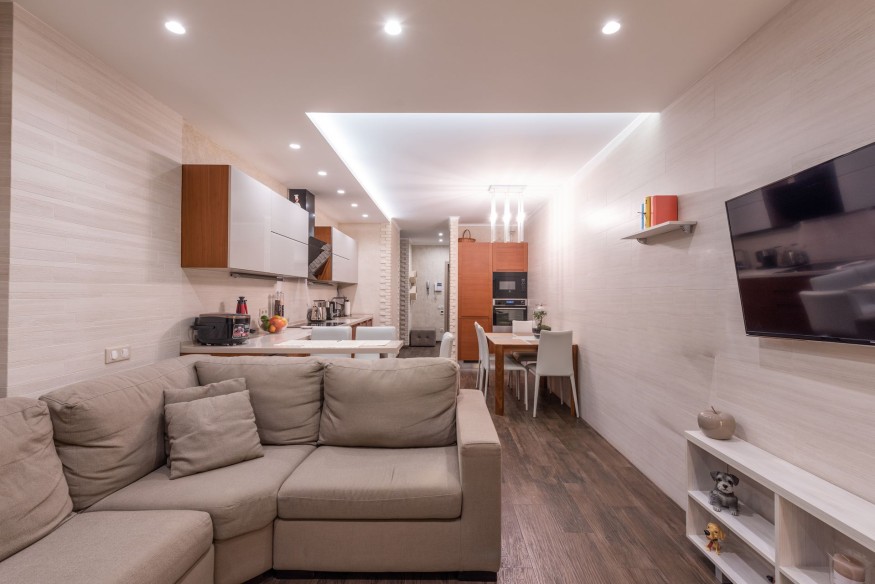
Low ceilings can make an otherwise attractive home feel enclosed, particularly when rooms have limited natural light or oversized furniture. However, a lower ceiling does not automatically mean a space needs to feel small. With thoughtful furniture selection, lighting, paint choices, and decorative details, homeowners can create interiors that feel more open without making major structural changes.
The key is to understand how different design elements influence visual perception. Vertical lines can draw attention upward, appropriately scaled furniture can preserve open sightlines, and carefully selected lighting can reduce the appearance of a heavy ceiling.
Rather than treating a lower ceiling as a limitation, homeowners can use the architecture as a starting point for creating comfortable and visually balanced rooms.
Use Vertical Design Elements to Draw the Eye Upward
One of the most effective approaches to decorating a room with low ceilings is to introduce vertical elements that encourage the eye to move upward.
Vertical lines create an impression of height because they visually extend the walls. This can be achieved through architectural detailing, wallpaper patterns, tall shelving, and carefully arranged decorative accessories.
For example, vertical paneling can introduce structure while making walls appear taller. Narrow timber battens, vertical wall moldings, and floor-to-ceiling cabinetry are suitable options for contemporary and traditional interiors.
Wallpaper can create a similar effect. Designs featuring vertical stripes, elongated botanical patterns, or repeating narrow motifs can visually emphasize the height of a wall.
However, patterns should be selected carefully. Oversized, busy designs may make a small room feel visually crowded, particularly when combined with decorative furniture and multiple accessories.
Tall bookshelves and storage units can also help establish vertical emphasis. Instead of introducing several short cabinets, homeowners can consider taller storage solutions that use available wall space efficiently.
The goal is to create a visual connection between the floor and ceiling without filling every available surface.
Choose Paint Colors That Create Visual Continuity
Paint color can influence how large or enclosed a room appears.
Light colors are frequently recommended for low-ceiling interiors because they reflect natural and artificial light. Soft white, warm ivory, pale beige, and light gray can help create a brighter appearance, particularly in rooms with limited windows.
However, white ceilings are not the only option.
Painting the ceiling and walls in similar tones can reduce the visual distinction between the two surfaces. When there is no strong color contrast marking where the wall ends and the ceiling begins, the room may appear more continuous.
Install Curtains Closer to the Ceiling
Window treatments can have a considerable influence on how tall a room appears.
One common mistake is installing curtain rods directly above the window frame. This creates a strong horizontal line that emphasizes the window's height rather than the full vertical dimension of the wall.
Instead, installing curtain rods closer to the ceiling can make windows appear taller.
Floor-length curtains reinforce this effect by creating an uninterrupted vertical line from the upper wall toward the floor. Fabrics that fall naturally, including linen, cotton blends, and lightweight textured materials, can help maintain a relaxed appearance.
Select Furniture That Respects the Room's Proportions
Furniture scale is particularly important in rooms with low ceilings.
Oversized sofas, tall headboards, bulky cabinets, and high-backed chairs can make a room feel more crowded because they occupy a substantial portion of the available vertical space.
Lower-profile furniture can help preserve sightlines and create a more balanced relationship between the furnishings and ceiling.
Choose Lighting That Does Not Overwhelm the Ceiling
Lighting requires particular attention in homes with low ceilings.
Large chandeliers and long pendant fixtures can occupy valuable visual and physical space, especially when installed above frequently used areas. They may also interfere with movement in rooms where the ceiling is already relatively close to the floor.
Flush-mount and semi-flush-mount ceiling lights are practical alternatives. Their compact profiles provide general illumination without extending too far into the room.
Recessed lighting can also create a clean appearance, particularly in contemporary interiors. When positioned strategically, these fixtures distribute light without introducing prominent ceiling-mounted objects.
Wall sconces offer another useful solution. They can provide ambient or accent lighting while directing attention toward vertical wall surfaces.
Use Mirrors to Increase the Sense of Space
Mirrors can make low-ceiling rooms feel brighter by reflecting natural light and creating additional visual depth.
A large vertical mirror is especially useful because its proportions reinforce the upward direction of the wall. Placing one opposite a window can also help distribute daylight throughout the room.
Mirrored wardrobe doors, full-length mirrors, and strategically positioned decorative mirrors can provide similar benefits.
However, the surrounding composition matters. A mirror placed where it reflects clutter or an overly busy area may create more visual distraction rather than improving the room.
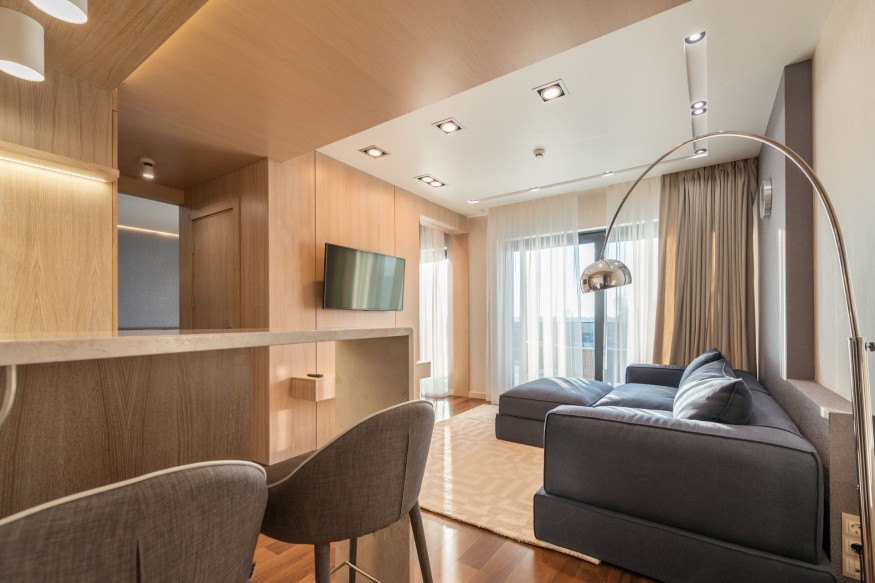
Keep the Upper Half of the Room Uncluttered
Another effective approach is to reduce visual congestion around the ceiling line.
Oversized ceiling moldings, heavy decorative cornices, bulky pendant fixtures, and numerous small wall decorations can make the upper portion of a room appear crowded.
Simplifying these elements can create a cleaner transition between the walls and ceiling.
Artwork should be selected according to the available wall height. Vertical compositions can emphasize height, while excessively large horizontal arrangements may reinforce the room's width at the expense of its vertical proportions.
Consider Ceiling Finishes and Architectural Details
Ceiling treatments can either improve or emphasize the appearance of low proportions.
Glossy ceiling paint can reflect light, although the effect depends on the surface condition and lighting. Satin or low-sheen finishes may provide a more subtle alternative.
Large decorative beams and elaborate coffered ceilings can sometimes make a low room feel even more enclosed. However, simplified ceiling detailing can still introduce architectural interest.
Make Low Ceilings Part of a Thoughtful Interior Design Plan
A home with low ceilings does not need to sacrifice character or comfort. Through careful use of vertical details, cohesive paint colors, appropriately scaled furniture, and layered lighting, homeowners can create rooms that feel more spacious and visually balanced.
The most successful approach considers the entire room rather than relying on one decorating trick. Window treatments, storage, furniture placement, and ceiling finishes should work together to establish a consistent visual direction.
Low ceilings can even contribute to a more intimate atmosphere in certain spaces, including bedrooms, reading areas, and smaller sitting rooms.
With the right design decisions, the architectural proportions can become part of the home's character rather than something homeowners feel they need to conceal.
Frequently Asked Questions
1. What colors make low ceilings look higher?
Soft white, warm ivory, pale beige, and other light neutrals can help brighten a room. Using similar colors on the walls and ceiling can also create visual continuity.
2. Should curtains be hung higher in rooms with low ceilings?
Yes. Installing curtain rods close to the ceiling and using floor-length panels can create a stronger vertical line and make windows appear taller.
3. What type of lighting works best for low ceilings?
Flush-mount fixtures, recessed lighting, wall sconces, and compact semi-flush-mount lights are practical options because they provide illumination without occupying excessive vertical space.


Bella Hadid Buys $5.5 Million Colorado Mountain Home in Crested Butte

Thinking About DIY Home Repairs? These Unexpected Costs Could Change Your Mind

Move Over, Bows: Tassels Are Bringing Texture and Luxury to Christmas Decor in 2026

Lady Gaga's Former NYC Penthouse in the Historic Hit Factory Lists for $6.995 Million

Brussels Furniture Fair 2026 Showcases New Collections and European Design


