The Hidden Art of Landscape Architecture Design: Garden Design Principles That Shape Our World
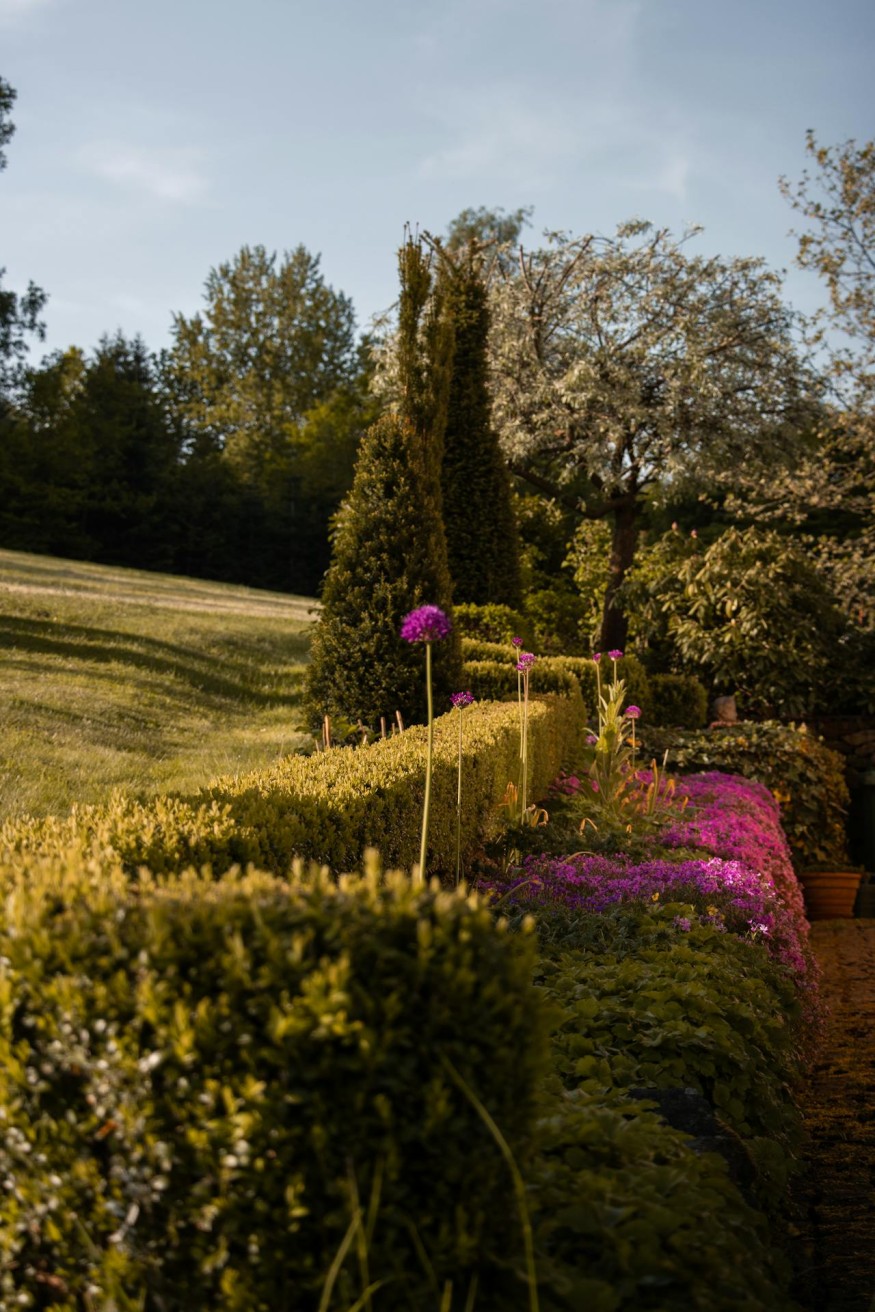
Outdoor environments are no longer treated as decorative add-ons to buildings. They are functional, ecological, and social extensions of daily life. This shift has placed landscape architecture design at the center of how cities, homes, and shared spaces are planned. From compact residential yards to large public parks, landscape architects shape environments that balance beauty with usability and environmental performance.
The modern approach to outdoor planning goes beyond planting greenery. It involves spatial strategy, water management, material selection, and human behavior analysis. Whether the goal is relaxation, movement, or social interaction, thoughtful design determines how people experience outdoor areas over time.
Understanding Landscape Architecture Design in Modern Spaces
Landscape architecture design is the discipline that integrates natural systems with built environments. It combines elements of ecology, urban planning, and design thinking to create spaces that respond to both human needs and environmental conditions.
Unlike traditional gardening, which often focuses on aesthetic planting, landscape architecture considers long-term site performance. This includes drainage patterns, soil health, climate adaptation, and accessibility. Designers work on parks, plazas, residential communities, campuses, and waterfronts.
Key focus areas include:
- Spatial planning and land use organization
- Environmental restoration and sustainability
- Public interaction and circulation flow
- Integration of natural and built elements
This holistic approach ensures that outdoor environments remain functional and resilient across seasons and changing urban demands.
Read more: Biophilic Interior Design Explained: Why Indoor Plants Home Decor & Nature-Inspired Interiors Matter
Garden Design Principles That Shape Outdoor Environments
At the heart of every successful outdoor space are strong garden design principles. These principles guide how elements are arranged to create balance, rhythm, and usability.
Core principles include:
- Unity and harmony: Ensuring all elements feel visually connected
- Balance: Distributing visual weight evenly across the space
- Proportion and scale: Matching plant sizes and structures to the surrounding architecture
- Rhythm and repetition: Creating visual flow through repeated materials or planting patterns
- Focal points: Drawing attention to key features such as trees, sculptures, or water elements
These principles apply not only to private gardens but also to public parks and shared courtyards. When used effectively, they shape environments that feel intuitive and calming rather than chaotic or overwhelming.
What Do Landscape Architects Do in Outdoor Planning?
A common question often asked is what landscape architects actually contribute to outdoor environments. Their role extends far beyond selecting plants or arranging pathways. They function as spatial strategists who integrate environmental and human factors into cohesive plans.
Their responsibilities typically include:
- Designing layouts for parks, gardens, and urban plazas
- Developing stormwater management systems such as bioswales and rain gardens
- Selecting materials that withstand climate conditions and heavy use
- Improving accessibility for all users, including mobility considerations
- Coordinating with engineers, architects, and environmental specialists
Through this work, landscape architects transform underutilized land into structured, meaningful environments that serve communities and ecosystems at the same time.
Outdoor Space Design Ideas That Enhance Everyday Living
Creative outdoor space design ideas often focus on improving comfort, usability, and visual appeal. Whether applied to residential yards or shared public courtyards, these ideas emphasize functionality alongside aesthetics.
Common approaches include:
- Layered planting to create depth and seasonal interest
- Multi-use seating areas for gathering, reading, or relaxation
- Pathway systems that guide movement naturally through a space
- Water features that improve microclimates and sensory experience
- Shade structures such as pergolas or tree canopies for temperature control
- Integration of edible gardens for practical and educational value
These strategies help transform outdoor environments into active living spaces rather than static landscapes.
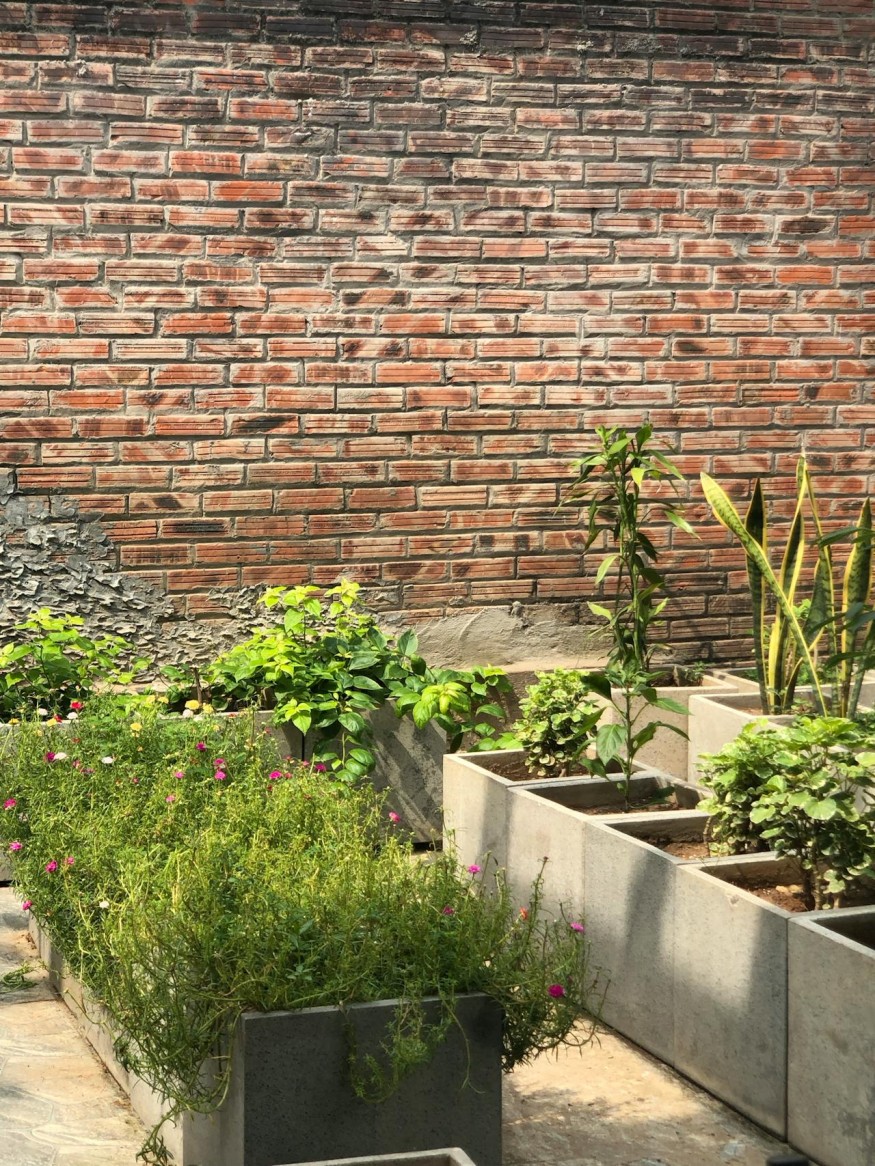
How Garden Design Principles Apply to Urban and Residential Spaces
The same garden design principles used in small home gardens are often scaled up for urban environments. In residential settings, they support personalization and comfort. In public settings, they prioritize durability and inclusivity.
In homes, designers may focus on:
- Creating private zones for relaxation
- Using ornamental planting for visual appeal
- Designing intimate seating corners
In urban projects, priorities shift toward:
- High durability materials for heavy foot traffic
- Clear circulation routes for movement efficiency
- Planting schemes that support biodiversity and climate resilience
This adaptability is what allows landscape architecture design to remain relevant across different environments and cultural contexts.
Emerging Directions in Landscape Architecture Design
Modern landscape architecture design continues to evolve in response to climate change, urban density, and lifestyle shifts. Designers increasingly focus on systems that work with nature rather than against it.
Key trends include:
- Nature-based stormwater management systems
- Rewilded urban parks that support native ecosystems
- Smart irrigation systems that respond to soil conditions
- Flexible public spaces that shift between leisure and community events
- Green corridors that connect fragmented habitats within cities
These developments reflect a growing emphasis on resilience and long-term environmental balance.
Why Thoughtful Outdoor Design Matters in Daily Life
Well-planned outdoor environments influence how people move, rest, and interact. They also contribute to environmental stability and urban livability. When outdoor space design ideas are applied with intention, they can reduce heat buildup in cities, improve air quality, and encourage community interaction.
Strong design also supports mental wellbeing. Access to green, structured environments provides a sense of relief from dense urban conditions. Over time, these spaces become essential parts of everyday routines rather than occasional destinations.
Designing Outdoor Spaces That Work for People and Nature
Landscape architecture continues to shape how shared environments are experienced, from small gardens to large civic parks. Through careful application of landscape architecture design, structured use of garden design principles, and evolving outdoor space design ideas, outdoor areas become more than visual features. They function as living systems that support human activity, ecological health, and long-term sustainability.
Frequently Asked Questions
1. What is landscape architecture design?
Landscape architecture design is the planning and creation of outdoor spaces that combine natural systems with built environments. It includes parks, gardens, campuses, and urban public spaces designed for both function and aesthetics.
2. How is landscape architecture different from garden design?
Garden design usually focuses on plant arrangement and aesthetics in smaller private spaces. Landscape architecture design involves larger-scale planning that includes environmental systems, infrastructure, and public usability.
3. What are the main garden design principles used by professionals?
The core garden design principles include balance, unity, proportion, rhythm, and focal points. These principles guide how elements are arranged to create functional and visually cohesive outdoor spaces.
4. What are some practical outdoor space design ideas for homes?
Practical outdoor space design ideas include layered planting, multi-purpose seating, shaded relaxation zones, pathway design for movement flow, and small water features to enhance ambiance and comfort.


8 Stylish Halloween Staircase Decor Ideas That Make a Dramatic Statement

The Best Prime Day Furniture Deals to Look for Before Refreshing Your Home

Minwax's 2027 Color of the Year Is Pickled Oak, a Fresh Take on Natural Wood

Small-Space Design: Why the 'Boneless' Sofa Is Worth Considering

How to Bring Autumn Into Every Room With These 12 Cozy Decorating Ideas


