Mid-Century Modern Decor Meets Now: Your Guide to Vintage Interior Design
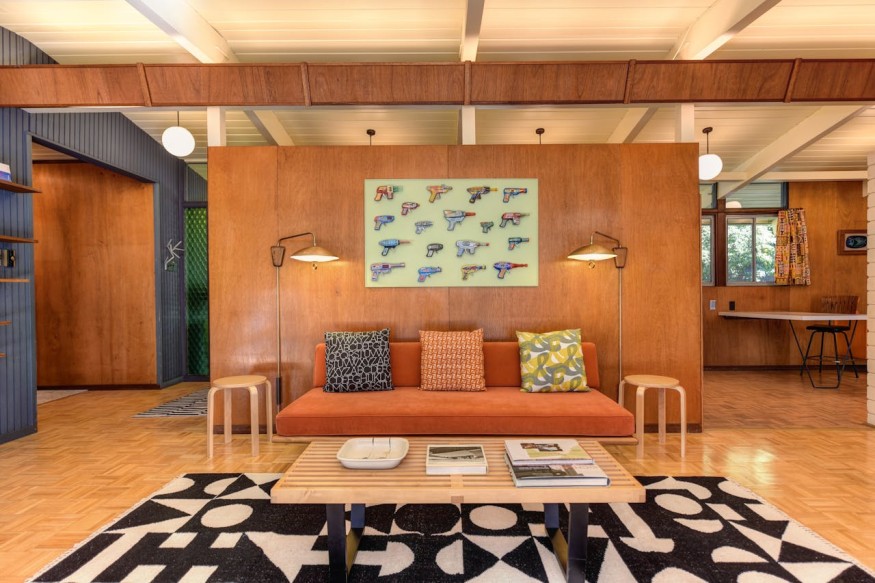
Mid-century modern interiors continue to shape today's design landscape, influencing how homeowners approach balance, proportion, and character in living spaces. The renewed interest in mid century modern decor is closely tied to the rise of curated interiors that blend eras instead of matching single styles. Within this movement, vintage interior design plays a central role, offering warmth, texture, and a sense of history that contemporary pieces alone often lack.
The growing appeal of the retro home style is not about recreating a past decade exactly. It is about combining iconic furniture silhouettes, natural materials, and clean modern finishes to build spaces that feel intentional and personal. This mix creates interiors that are visually layered while remaining functional for modern living.
What Defines Mid-Century Modern Decor
Mid-century modern decor is rooted in design movements from the mid twentieth century, known for simplicity, practicality, and connection to nature. It avoids excessive ornamentation and instead highlights form and function working together.
Key characteristics include:
- Clean, geometric lines with gentle organic curves
- Functional furniture with minimal decorative excess
- Natural materials such as teak, walnut, and leather
- Open layouts that emphasize flow and light
- Subtle use of bold accent colors against neutral bases
In modern homes, these elements are often reinterpreted rather than replicated. Contemporary materials and updated finishes help mid-century inspired pieces blend more easily with current design trends.
Read more: The 'Dawson's Creek' Iconic House Found a Buyer—And the Asking Price Is Pure Capeside Drama
Blending Vintage Interior Design With Contemporary Elements
A successful mix of styles depends on contrast and restraint. Vintage interior design introduces history and character, while contemporary pieces provide structure and freshness. The goal is not to divide the room into eras, but to create a unified visual language.
Practical ways to combine both styles include:
- Pairing a vintage wooden sideboard with a modern minimalist sofa
- Using contemporary lighting above retro dining furniture
- Combining aged brass or patina finishes with sleek metal accents
- Layering modern abstract art over older architectural features
- Mixing upholstered vintage chairs with clean-lined contemporary tables
Balance is essential. When both styles compete for attention, the space can feel fragmented. One or two focal vintage pieces usually provide enough character without overwhelming the room.
Color Palettes and Materials in Retro Home Style
The retro home style is strongly defined by its color and material choices. Mid-century inspired palettes often rely on earthy tones, softened by neutral backdrops.
Common color directions include:
- Warm neutrals such as beige, cream, and soft gray
- Earth tones like olive green, mustard, and rust
- Deep accent colors such as navy or forest green
Materials play an equally important role:
- Wood finishes, especially walnut and teak
- Textured fabrics like boucle, wool, and linen
- Glass and metal used in lighting and accent furniture
When combined with contemporary finishes like matte black fixtures or polished concrete surfaces, these traditional materials feel updated and relevant rather than nostalgic.
Furniture Pairing Strategies for Mixed-Era Interiors
Furniture selection is the backbone of a successful blended interior. The goal is to maintain harmony in scale and silhouette while allowing contrast in style.
Effective pairing strategies include:
- Choosing one statement vintage piece per room as an anchor
- Balancing heavier wooden furniture with lighter modern seating
- Matching low-profile furniture across both styles for visual consistency
- Keeping upholstery simple when mixing with patterned vintage wood pieces
- Using repetition of shapes such as round tables or tapered legs for cohesion
Scale consistency matters more than exact style matching. A well-proportioned room allows different eras to coexist without visual tension.
Lighting and Accessories That Unify the Space
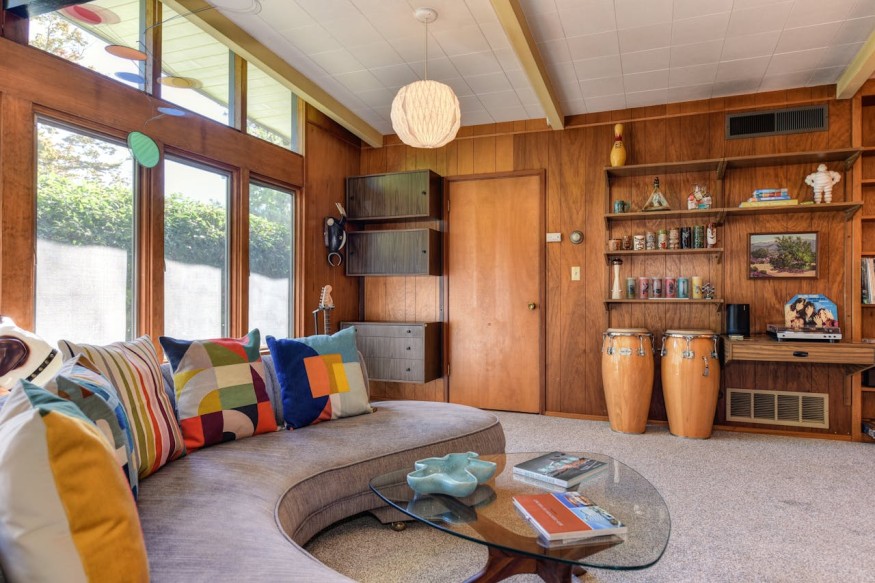
Lighting often acts as the bridge between vintage and modern design. In many interiors, it is the easiest way to blend styles without major structural changes.
Useful approaches include:
- Combining sculptural mid-century lamps with contemporary recessed lighting
- Using glass pendant lights to soften heavier vintage furniture
- Introducing brass or matte black finishes for continuity
- Layering lighting sources to create depth and flexibility
Accessories also play a key role in connecting design elements:
- Abstract artwork paired with retro ceramics
- Neutral rugs that ground bold furniture pieces
- Greenery used to soften geometric lines
- Decorative objects that echo shapes from both eras
These details help unify the space so that no single piece feels out of place.
Common Styling Mistakes in Mixed-Era Interiors
Blending styles requires editing. Overuse of contrasting elements can reduce clarity and make spaces feel disorganized.
Frequent issues include:
- Filling a room with too many statement vintage pieces
- Ignoring proportion between furniture items
- Mixing multiple strong design eras without hierarchy
- Overdecorating surfaces, leading to visual clutter
- Neglecting a consistent color thread throughout the home
A more effective approach is selective layering. Each piece should contribute to the overall composition rather than compete for attention.
Creating a Timeless Blend of Vintage and Modern Interiors
Homes that combine mid century modern decor, vintage interior design, and elements of retro home style often feel more personal and enduring than strictly uniform interiors. The combination of eras allows for storytelling through furniture, materials, and collected objects.
Rather than focusing on perfection, successful interiors prioritize rhythm and balance. A vintage chair beside a modern sofa, or a retro wood table under a contemporary light fixture, can create a dialogue between past and present. This interplay gives rooms a sense of evolution rather than static design.
Frequently Asked Questions
1. What defines mid-century modern decor in today's homes?
Mid-century modern decor today emphasizes simplicity, functionality, and organic shapes. It often includes updated materials and neutral palettes while retaining its original focus on clean lines and practical design suited for everyday living.
2. How can vintage interior design be mixed with modern furniture?
Vintage interior design can be integrated by using one or two standout older pieces and balancing them with contemporary furniture. Neutral colors and consistent materials help both styles feel cohesive within the same space.
3. What colors work best for a retro home style?
The retro home style typically uses earthy tones like olive, mustard, and rust combined with neutrals such as beige and gray. These colors are often softened with modern accents like black, white, or muted metallics for balance.
4. Can mid-century modern decor work in small spaces?
Mid-century modern decor works well in small spaces due to its focus on functionality and clean lines. Low-profile furniture, light wood tones, and minimal clutter help create an open and visually larger environment without sacrificing style.


8 Stylish Halloween Staircase Decor Ideas That Make a Dramatic Statement

The Best Prime Day Furniture Deals to Look for Before Refreshing Your Home

Small-Space Design: Why the 'Boneless' Sofa Is Worth Considering

How to Bring Autumn Into Every Room With These 12 Cozy Decorating Ideas

These Affordable Kitchen Organization Ideas Make Cabinets and Counters Work Harder


