How Mass Timber Construction Drives Cross Laminated Timber Building and CLT Architecture Innovation
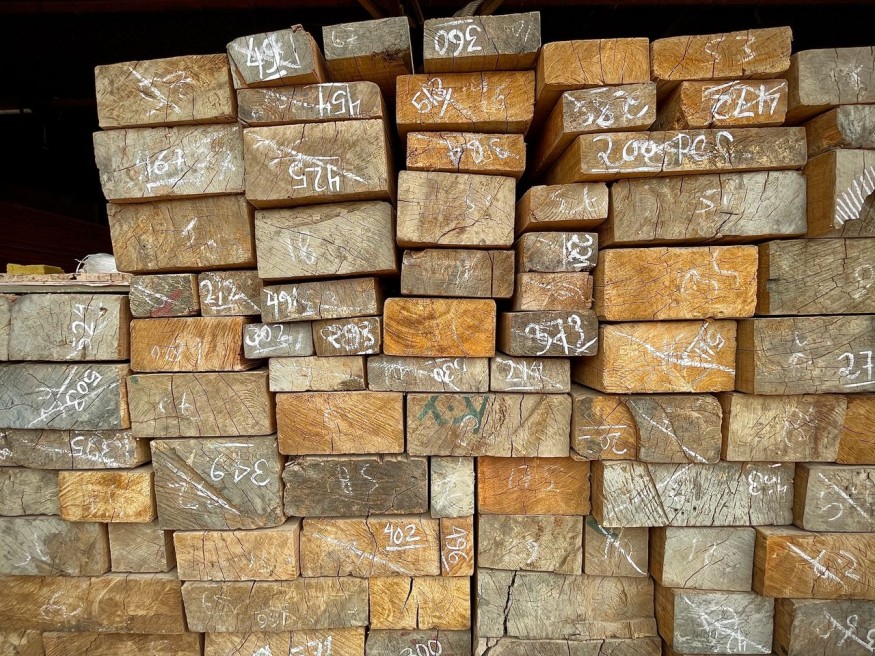
Mass timber construction is reshaping how architects and engineers approach sustainable building design. Once considered a niche method, it is now gaining global attention for its ability to combine structural strength, aesthetic warmth, and environmental responsibility. As cities look for lower-carbon alternatives to concrete and steel, engineered wood systems are becoming central to modern architecture. Among these, cross laminated timber building systems and advanced CLT architecture stand out as key drivers of innovation.
Understanding Mass Timber Construction in Modern Architecture
Mass timber construction refers to a category of engineered wood building systems that use large, prefabricated wooden elements for structural support. Unlike traditional light-frame wood construction, mass timber relies on solid panels and beams that can carry significant loads, making it suitable for mid-rise and even tall buildings.
These systems are typically manufactured off-site and assembled on location, which streamlines construction and improves precision.
Key characteristics include:
- Use of engineered wood panels and structural members
- Prefabrication in controlled factory environments
- Reduced on-site construction time
- Compatibility with hybrid structural systems like steel and concrete
Mass timber has gained traction as a practical alternative for developers aiming to balance efficiency, design flexibility, and environmental considerations.
Read more: Floor to Ceiling Windows, No Walls: Inside the Glass House Design Movement Changing Modern Homes
What is a Cross Laminated Timber Building System?
A cross laminated timber building system, often referred to as CLT, is one of the most widely used methods in mass timber construction. CLT panels are created by stacking layers of lumber in alternating directions and bonding them under pressure. This crosswise layering gives the panels exceptional dimensional stability and strength.
How CLT systems function in construction
- Panels are cut into precise shapes using digital fabrication tools
- They are used for walls, floors, and roof structures
- Connections are designed for mechanical fastening or steel joinery
- Entire building components can be pre-assembled off-site
This approach allows a cross laminated timber building to be assembled with high precision, reducing material waste and improving construction efficiency. The system also supports architectural flexibility, enabling open floor plans and creative spatial configurations.
CLT Architecture and Its Design Potential
CLT architecture focuses on integrating cross laminated timber systems into expressive and functional building design. It is not limited to structural efficiency but extends into aesthetics, spatial experience, and environmental integration.
Architects often choose CLT architecture for its ability to create warm, natural interiors while maintaining structural clarity.
Common design advantages include:
- Exposed timber surfaces that enhance interior atmosphere
- Flexible modular layouts suitable for residential and commercial use
- Compatibility with glass, steel, and concrete for hybrid design approaches
- Reduced need for additional finishing materials due to natural wood appearance
CLT architecture also aligns well with digital design tools such as BIM, allowing architects to coordinate structural and aesthetic elements with high precision before construction begins.
Environmental Role of Mass Timber Construction
Mass timber construction is widely recognized for its environmental advantages compared to traditional building systems. The use of engineered wood supports more responsible material cycles and encourages sustainable forestry practices.
Environmental benefits include:
- Use of renewable timber resources
- Lower reliance on high-energy materials like concrete and steel
- Ability of wood to store carbon within building structures
- Reduced construction waste through prefabrication
These factors make mass timber a strong candidate for projects focused on reducing environmental impact while maintaining structural integrity and design quality.
Structural Performance and Safety in Timber Buildings
Modern engineered timber systems are designed to meet strict safety and performance standards. A cross laminated timber building is tested for structural reliability under various conditions, including fire exposure and seismic activity.
Key performance aspects
- Fire safety through charring behavior that protects internal layers
- Strong seismic performance due to lightweight yet rigid construction
- High dimensional stability that reduces warping and movement
- Acoustic and thermal insulation capabilities when properly designed
Regulatory frameworks in many regions now support taller timber structures, reflecting growing confidence in engineered wood technologies.
Where Mass Timber Construction is Being Used
Mass timber construction is no longer limited to experimental projects. It is now used across multiple building types and global regions.
Common applications include:
- Mid-rise residential developments
- Office buildings and commercial spaces
- Educational institutions such as schools and universities
- Cultural and community structures
European countries have been early adopters, while North America and parts of Asia-Pacific are rapidly expanding their use of CLT architecture in urban development.
Challenges in Expanding CLT Architecture
Despite its advantages, CLT architecture and mass timber construction face several practical challenges that influence adoption rates.
- Limited supply chains for large-scale timber production in some regions
- Higher initial material and fabrication costs compared to conventional systems
- Evolving building codes that vary across jurisdictions
- Need for specialized design and engineering expertise
These challenges are gradually being addressed as demand increases and industry standards continue to evolve.
Future Direction of Mass Timber Construction
The future of mass timber construction is closely tied to sustainable urban development. Increasingly, architects and engineers are exploring hybrid systems that combine timber with steel or concrete to extend building height and performance capabilities.
Innovation trends include:
- Expansion of modular and prefabricated construction methods
- Integration of advanced digital fabrication technologies
- Broader acceptance of cross laminated timber building systems in urban centers
- Greater emphasis on lifecycle-based building design
As material science and design tools advance, CLT architecture is expected to play a larger role in shaping energy-efficient and human-centered cities.
Why Mass Timber Construction is Redefining Modern Building Design
Mass timber construction represents a shift in how buildings are conceptualized, from resource-heavy systems toward more sustainable and adaptable models. With its combination of structural efficiency, design flexibility, and environmental performance, it is increasingly positioned as a viable alternative for a wide range of building types.
Cross laminated timber building systems and CLT architecture continue to demonstrate that engineered wood can meet modern performance expectations while supporting a more sustainable built environment.
Frequently Asked Questions
1. What is mass timber construction used for?
Mass timber construction is used for residential buildings, offices, schools, and commercial spaces. It is valued for its strength, sustainability, and ability to be prefabricated off-site for faster assembly.
2. How does a cross laminated timber building differ from traditional wood framing?
A cross laminated timber building uses engineered wood panels made by layering timber in alternating directions, making it stronger and more stable than traditional stick framing used in conventional residential construction.
3. Is CLT architecture suitable for tall buildings?
CLT architecture is increasingly used in mid-rise and taller buildings when combined with other structural systems. Its strength and stability make it suitable for modern urban construction projects.
4. Is mass timber construction environmentally friendly?
Mass timber construction is considered environmentally friendly because it uses renewable wood resources, stores carbon within structures, and reduces reliance on high-emission materials like steel and concrete.


8 Smart Ways to Organize a Small Pantry Without Wasting Space

When Is the Best Time to Renovate Your Home? A Seasonal Guide

Mudroom vs. Entryway: The Key Differences Every Homeowner Should Know

8 Bathroom Tile Ideas to Make Your Space Look More Stylish and Expensive

How Trees Can Affect Your Property Value, According to Real Estate Experts


