Front Garden Upgrade: 7 Best Trees Plus Landscaping Tips and Garden Ideas That Work Year-Round
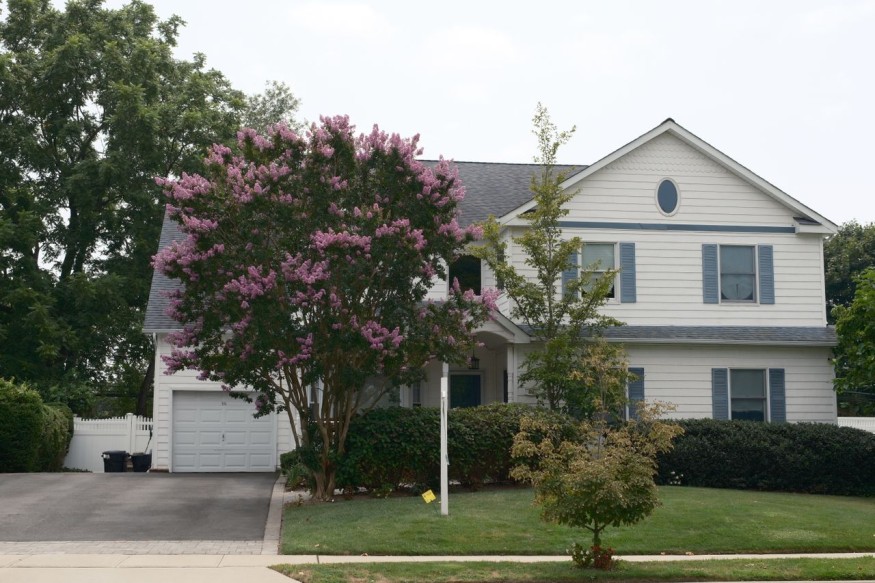
A well-designed front garden often begins with the right selection of trees. These permanent elements shape first impressions, define structure, and bring consistency across seasons. In many residential landscapes, trees are not only aesthetic anchors but also practical solutions for shade, privacy, and spatial balance. Thoughtful use of landscaping tips helps ensure that each tree supports the overall composition of the home exterior while aligning with climate conditions and available space.
Modern garden ideas increasingly focus on blending ornamental value with functionality. Trees that offer flowers, foliage interest, or architectural form can transform even simple front yards into inviting, visually balanced spaces throughout the year.
How to Choose Trees for a Front Garden That Lasts
Selecting trees for front yard landscaping requires attention to long-term growth and environmental fit. A poorly chosen tree can overwhelm a space, while the right one enhances curb appeal for years.
Key considerations include:
- Space availability both above and below ground
- Growth rate and mature height
- Evergreen structure versus seasonal shedding
- Maintenance needs such as pruning or cleanup
- Compatibility with tropical or temperate climates
- Placement for shade, framing, or focal emphasis
Practical landscaping tips often emphasize starting with structure first, then layering smaller plants around the chosen trees. This approach ensures the garden remains balanced even as it matures.
Seven Trees That Elevate Front Garden Design All Year
Frangipani (Plumeria)
Frangipani is widely appreciated in tropical settings for its sculptural branches and fragrant blooms. Even when leafless, its form adds architectural interest, making it a strong feature in low-maintenance garden ideas.
Bougainvillea in Tree Form
When trained into a tree shape, bougainvillea becomes a vivid focal point. Its long flowering cycles and bright bracts bring continuous color to front gardens, especially in warm climates.
Dwarf Crape Myrtle
This compact tree is valued for extended flowering and attractive bark texture. It fits well in smaller front yards where structure and seasonal interest are equally important. It is often recommended in refined landscaping tips for tight urban spaces.
Japanese Maple or Tropical Alternatives
Japanese maple offers delicate foliage and seasonal color shifts, but in warmer regions, similar effects can be achieved with tropical substitutes. It works best as a feature tree in shaded or semi-shaded areas, adding softness to modern garden ideas.
Royal Poinciana
Known for its wide canopy and vibrant blooms, the royal poinciana creates dramatic seasonal impact. It is best suited for larger front gardens where it can grow freely without crowding structures or pathways.
Magnolia Varieties
Magnolias provide glossy evergreen leaves and large, fragrant flowers. Their consistent structure makes them ideal for formal front yard layouts where year-round presence is important.
Dwarf Citrus Trees
Calamansi, lemon, and other dwarf citrus varieties combine ornamental beauty with productivity. Their glossy leaves, flowers, and fruit add layered interest, making them a popular choice in functional garden ideas.
Keeping Front Gardens Visually Engaging Across Seasons
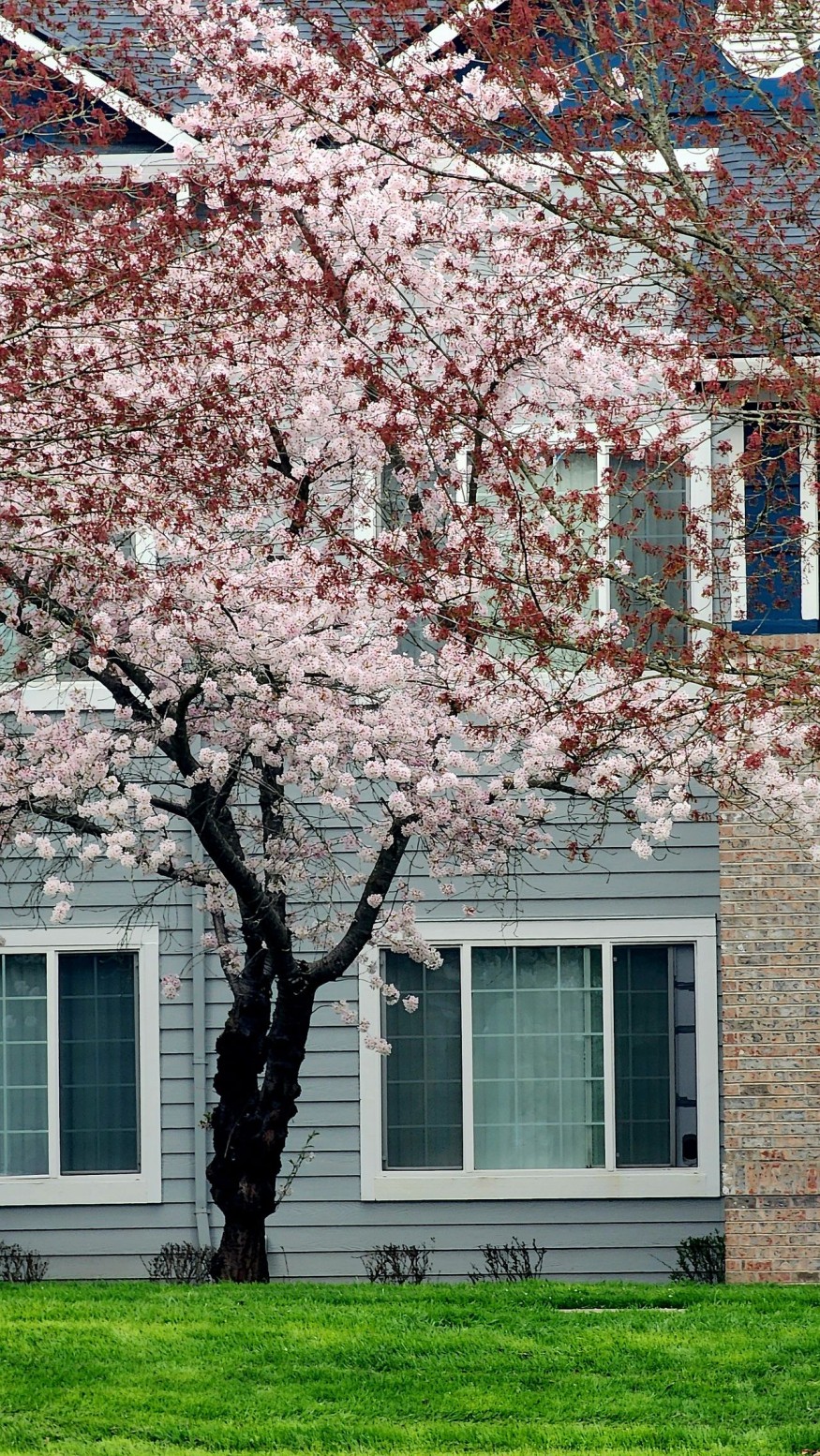
A front garden remains attractive when its design accounts for seasonal variation. Trees alone are not enough unless they are positioned and paired thoughtfully.
Effective strategies include:
- Mixing evergreen and flowering species for continuity
- Layering trees with shrubs and groundcovers for depth
- Selecting trees with bark or foliage interest beyond flowering seasons
- Planning bloom cycles so color changes gradually through the year
- Maintaining consistent pruning to preserve shape and proportion
These landscaping tips help prevent visual gaps while ensuring the garden evolves gracefully over time.
Design Approaches for a Balanced Front Yard
Strong front yard design relies on proportion and repetition. Trees should not feel randomly placed but instead should guide movement and frame the home.
Helpful garden ideas include:
- Using one dominant focal tree near the entrance
- Framing walkways with smaller ornamental trees or shrubs
- Repeating leaf shapes or colors for visual rhythm
- Avoiding overcrowding to allow each tree to mature naturally
- Aligning tree placement with windows and entry points for symmetry
Careful planning at this stage reduces future maintenance challenges and keeps the layout visually coherent.
Front Garden Trees That Stay Visually Appealing Through Every Season
Front gardens that maintain year-round appeal are often built around a core group of reliable trees supported by thoughtful design. Species such as frangipani, magnolia, and dwarf citrus provide consistent structure, while flowering trees like bougainvillea and royal poinciana introduce seasonal highlights.
Applying simple landscaping tips such as spacing for growth, selecting climate-appropriate species, and layering vegetation ensures that the garden remains visually engaging without constant redesign. These principles also support flexible garden ideas that can adapt to both small and large residential spaces.
Frequently Asked Questions
1. What are the best low-maintenance trees for a front garden?
Low-maintenance options typically include frangipani, dwarf citrus, and magnolia. These trees require minimal pruning once established and adapt well to structured garden layouts.
2. Which trees improve curb appeal the most?
Flowering trees like bougainvillea and royal poinciana significantly enhance curb appeal due to their bold seasonal color and striking visual presence.
3. How can a small front yard accommodate trees without looking crowded?
Dwarf varieties such as dwarf crape myrtle or compact citrus trees are ideal. Proper spacing and vertical layering are key landscaping tips for small spaces.
4. Can fruit trees be used in decorative front yard design?
Yes, dwarf citrus trees are commonly used in ornamental settings. They combine productivity with attractive foliage and seasonal blossoms, making them practical garden ideas for modern homes.


Venus Williams' New Crate & Barrel Collection Blends Tennis and Italian Design

8 Smart Ways to Organize a Small Pantry Without Wasting Space

When Is the Best Time to Renovate Your Home? A Seasonal Guide

Little Greene Just Refreshed Its Color Card With 26 New Paint Shades

The Right Way to Clean Outdoor Rugs Before the Next Season


